2026 How to Choose the Best Water Flask for Your Needs?
Choosing the right water flask is essential for staying hydrated. According to hydration expert Dr. Emily Carter, "The right water flask can transform your hydration habits." With so many options available, understanding your personal needs is crucial.
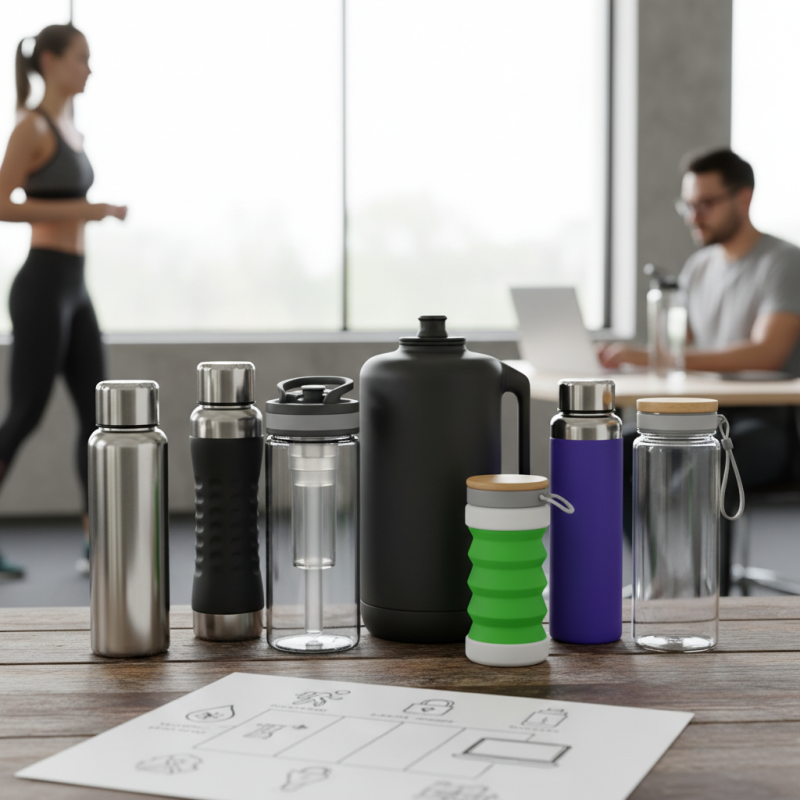
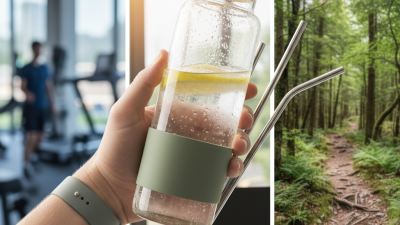
A water flask should complement your lifestyle. Whether you are hiking, working out, or commuting, the flask's size, material, and design matter. For those who exercise, a lightweight and insulated option may be optimal. On the other hand, if you're often at your desk, a larger capacity might be more suitable.
When selecting a water flask, consider functionality and style. Look for features like leak-proof lids and easy-to-carry designs. Yet, it's important to remember that no flask is perfect. Some may not keep your drink cold long enough; others may feel bulky. Reflecting on these factors will help you find the right fit for your hydration journey.
How to Evaluate Material Options for Water Flasks: Plastic, Glass, and Metal
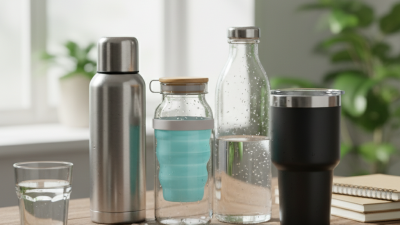
When selecting a water flask, material plays a pivotal role. Each option—plastic, glass, and metal—has its advantages and drawbacks. Understanding these can help you make an informed choice.
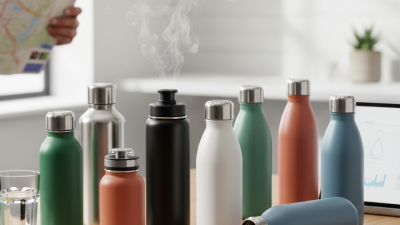
Plastic flasks are lightweight and durable. They often come in various colors and designs, appealing for outdoor and casual use. However, some plastics can leach chemicals over time, particularly with heat. Choose BPA-free options to minimize health risks.
Glass flasks offer an eco-friendly alternative. They do not leach harmful substances and retain the taste of your beverage. However, they can shatter easily, making them less ideal for vigorous activities. Always inspect for scratches or chips that could weaken the integrity of the bottle.
Metal flasks, like stainless steel, provide durability and insulation. They keep drinks hot or cold for longer periods. Yet, they can be heavier than plastic or glass flasks. Pay attention to the inner lining; some may retain flavors if not designed well.
Tips:
- Examine the weight and ease of carrying your flask.
- Check for a secure leak-proof lid, especially for travel.
- Consider your lifestyle and choose a material that aligns with how you typically use a flask.
Understanding Insulation Types: Vacuum, Foam, and Double-Wall Technology
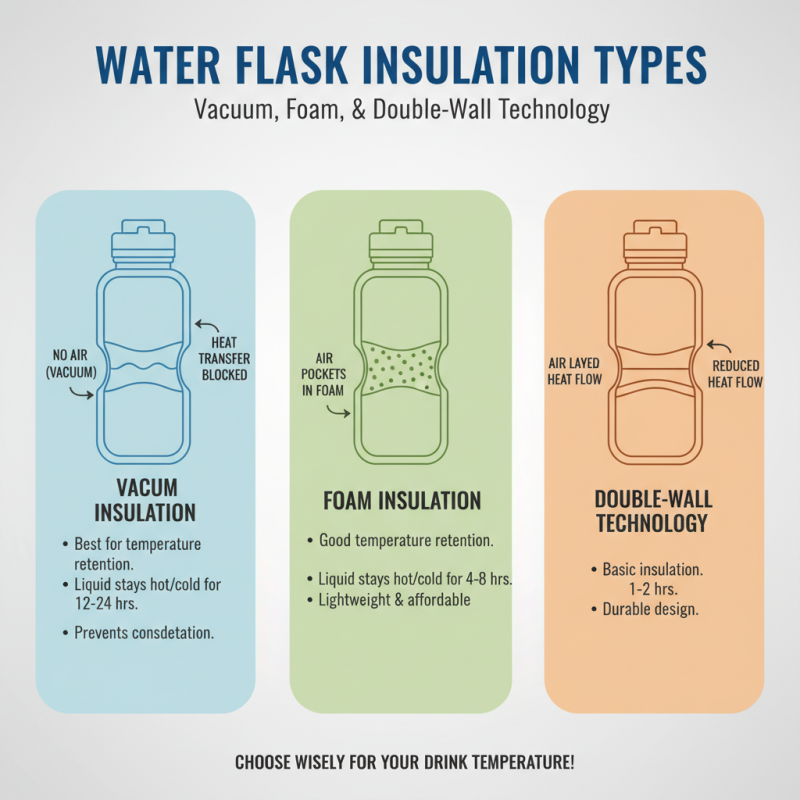
When selecting a water flask, understanding insulation types is crucial. Insulation affects how well your drink maintains its temperature. Three common types are vacuum insulation, foam insulation, and double-wall technology.
Vacuum insulation is often considered the gold standard. It creates a barrier that significantly reduces heat transfer. According to a 2022 report by the Beverage Container Association, flasks using vacuum insulation can keep drinks hot for over 12 hours. This efficiency makes them ideal for those who enjoy warm beverages during outdoor activities. However, vacuum-insulated flasks may be heavier, which could be a drawback for some users.
Foam insulation is another option. It typically uses a lightweight material that offers decent thermal retention but not as effectively as vacuum technology. Some reports indicate that foam-insulated flasks keep temperatures stable for 3 to 5 hours. This might be suitable for short trips. Lastly, double-wall technology is a blend of both. It provides some vacuum benefits but is often less expensive. Double-wall flasks may not keep drinks hot or cold for extended durations. It's essential to weigh these factors when making your choice. Each insulation type has its pros and cons, and knowing your needs will guide you to the best option.
Key Features to Consider: Capacity, Weight, and Portability for Your Needs
When choosing a water flask, capacity is a key factor.
Most hydration studies suggest that individuals need about 2 liters of water daily.
A flask that holds between 500ml to 1 liter balances convenience and capacity.
This size caters to hydration needs without being cumbersome.
Selecting a flask with adequate capacity ensures you stay well-hydrated throughout your day.
Weight is another significant aspect.
Lightweight materials, like stainless steel, can weigh as little as 200 grams when empty.
A heavy flask can be burdensome, especially during outdoor activities.
According to the Outdoor Foundation, over 50% of outdoor enthusiasts prioritize lightweight gear.
Portable designs, such as collapsible flasks, are ideal for travelers or hikers.
These options often fit into backpacks easily, emphasizing practicality.
Portability also encompasses ease of use.
Flasks with ergonomic shapes fit comfortably in hand.
However, some designs can be awkward, making it a challenge to drink on the go.
A survey by the International Journal of Environmental Research shows 40% of users prefer flasks with a wide mouth for easy filling and cleaning.
Choosing a flask that meets these criteria enhances your hydration experience and encourages regular water intake.
Safety Standards and Certifications: Ensuring Your Flask is BPA-Free and Eco-Friendly
When selecting a water flask, safety is key. Look for flasks that are BPA-free. BPA, or Bisphenol A, is harmful. It can seep into your drinks, especially hot ones. This is why opting for BPA-free materials is vital. You deserve to trust your flask with every sip.
Beyond BPA, evaluate eco-friendly certifications. Many flasks are now made from recycled or sustainable materials. This benefits not just your health but also the environment. Choosing eco-friendly options reduces plastic waste. It’s a small change, but it makes a big difference.
Always check the safety standards. Find flasks that meet recognized guidelines. Certifications from health organizations bring reliability. However, not all brands display their certificates clearly. This is an area needing attention. It’s okay to ask questions. Understanding what you drink from is essential for peace of mind.
2026 Water Flask Safety Standards and Certifications
This chart displays the percentage of water flasks that meet key safety standards such as BPA-free and eco-friendly certifications in 2026.
Assessing Brand Reputation and User Reviews: Making an Informed Choice
When selecting a water flask, brand reputation and user reviews are essential. A reputable brand often ensures quality and reliability. Researching customer feedback can reveal both strengths and weaknesses. Look for reviews that delve into durability, leak resistance, and insulation performance. These factors significantly impact your daily experience.
**Tips:** Focus on flasks with a solid warranty. This can reflect a brand's confidence. A warranty often indicates that the product has undergone testing. Pay attention to repeated mentions of specific features in user reviews.
While a high star rating can be appealing, don't get swept up. Check for detailed comments, especially those reflecting user experiences over time. Sometimes, even well-known brands may disappoint in unexpected ways.
**Tips:** Identify reviews that discuss long-term use. Users sharing their experiences can help you avoid potential pitfalls. A balanced mix of positive and negative feedback can provide valuable insights. Aim to make an informed choice.
2026 How to Choose the Best Water Flask for Your Needs?
| Feature |
Rating (out of 5) |
User Comments |
Price Range |
| Insulation Performance |
4.8 |
Keeps drinks hot/cold for hours! |
$25 - $40 |
| Durability |
4.5 |
Survived multiple drops! |
$15 - $30 |
| Design |
4.7 |
Stylish and easy to carry! |
$20 - $35 |
| Ease of Cleaning |
4.6 |
Very easy to disassemble! |
$18 - $28 |
| Weight |
4.4 |
Lightweight for hiking! |
$12 - $22 |

 +86-13586927333
 CONTACT NUMBER
 CONTACT NUMBER