10 Best Coffee Mug Manufacturers for Global Buyers?
Choosing a reliable Coffee Mug manufacturer can shape product quality, customer satisfaction, and long-term brand trust. Global buyers must look beyond attractive catalogs and low factory prices.
A capable supplier should demonstrate consistent clay preparation, accurate glazing, strong handle attachment, and dependable kiln control. These details matter when mugs face daily washing, shipping vibration, and repeated temperature changes. Product samples reveal more than polished photographs. Inspect the rim, base, print alignment, weight, and inner coating. Small flaws can become expensive complaints.
Coffee educator James Hoffmann once said, “The best coffee is the coffee you like.” His observation also applies to mug selection: the best supplier depends on your market, drink culture, packaging needs, and customer expectations. This guide reviews 10 Best Coffee Mug Manufacturers for Global Buyers by examining manufacturing experience, material options, customization ability, quality systems, production capacity, and communication practices.
Look closely.
Reliable manufacturers should explain their testing process instead of offering vague promises. Buyers should request food-contact documentation, sample approvals, carton specifications, and realistic production timelines. Ceramic, porcelain, stainless steel, glass, and reusable materials each serve different applications. A beautiful mug may still fail through weak packaging or inconsistent printing.
No ranking can fit every buyer perfectly. Some companies may excel at premium handmade pieces, while others perform better with large-volume corporate orders. That limitation deserves attention. Careful comparison, direct questions, and physical samples remain essential before placing a substantial order. This article offers a practical starting point for making that decision with greater confidence.

What Makes a Coffee Mug Manufacturer Suitable for Global Buyers
A coffee mug manufacturer suitable for global buyers must offer more than attractive shapes and competitive pricing.
Production experience matters: buyers should inspect kiln records, glaze consistency, handle strength, and packing performance. A sample should survive repeated washing and a realistic drop test. Small details matter.
The International Coffee Organization reported global coffee consumption of about 177 million 60-kilogram bags in 2023/24. That scale creates steady demand for dependable drinkware, but it also increases quality risks. A capable manufacturer should provide food-contact test reports, material declarations, and traceable batch records. Testing must match each destination market’s requirements. Certificates alone are not enough. Buyers should verify issuing laboratories and report dates.
Capacity is another practical measure.
A supplier should explain minimum order quantities, monthly output, lead times, and backup production plans. The World Bank’s Commodity Markets Outlook has shown notable coffee price volatility, reminding buyers that supply planning cannot depend on one assumption. Freight-ready cartons, pallet diagrams, barcode support, and clear packaging specifications reduce costly surprises. Sustainability claims also require evidence, such as recycled-content records or energy data. Honestly, many factories still present incomplete figures. That deserves careful questioning. A factory visit, independent inspection, and a controlled pilot order can reveal more than polished sales materials. The best partner communicates problems early, including color variation, delayed firing, or damaged cartons. Reliability is often visible in these uncomfortable details.
Key Product Types and Materials Offered by Leading Mug Manufacturers
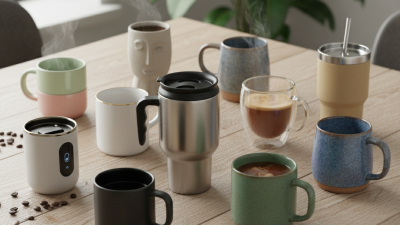
Global buyers should compare mug manufacturers by product range, material control, and testing evidence. The main categories include ceramic diner mugs, porcelain espresso cups, stoneware mugs, glass cups, travel tumblers, and double-wall thermal models. Ceramic remains popular because it offers strong heat retention, printable surfaces, and familiar café appeal. Grand View Research’s 2024 ceramic tableware analysis estimates the global market will continue growing at over 6% annually through the decade. That growth reflects demand for durable household and foodservice products.
MATERIAL COMPARISON
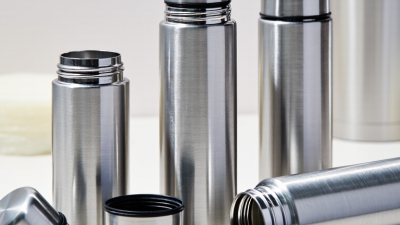
Porcelain provides a smoother finish and lighter body, while stoneware feels heavier and more handmade. Borosilicate glass suits buyers who want visible coffee layers and thermal resistance. Stainless steel supports travel use, but it can change perceived temperature and taste. Polypropylene is lightweight and practical, although buyers should request food-contact compliance documents. The global market is not simple. A thicker mug may survive drops better, yet it also increases shipping weight and costs. This trade-off is easy to overlook.
Tips:
Ask manufacturers for glaze durability, dishwasher-cycle results, handle stress tests, and migration reports for lead and cadmium. Request samples before approving large orders. Check rim comfort, base stability, carton protection, and logo abrasion after repeated washing. The International Organization for Standardization provides relevant ceramic tableware testing guidance, including ISO 6486. Still, paperwork alone is not enough. In my view, a small pilot order often reveals defects that factory photos hide.
Comparing Production Capacity, Pricing, Certifications, and Export Services
10 Best Coffee Mug Manufacturers for Global Buyers?
Production capacity should be checked beyond monthly unit claims. Ask for current factory schedules, kiln capacity, worker shifts, and recent delivery records. A capable manufacturer can explain its daily output by mug type, glaze, and decoration method. Request samples from regular production, not only showroom pieces. Capacity can look impressive on paper. It may still fail during seasonal demand.
Pricing needs a clear breakdown. Compare material cost, printing, packaging, tooling, inspection, and shipping terms. The lowest quotation often excludes export cartons or replacement units. Ask for pricing at several quantities, such as 1,000, 5,000, and 20,000 pieces. Check whether the quote includes handle strength testing and color approval. Small details matter. A cheap mug with uneven glaze creates hidden costs through returns and rework. I would also review payment stages and lead-time penalties before placing an order.
Certifications and test reports should match the destination market. Depending on the design, buyers may request food-contact testing, heavy-metal reports, ISO 9001 records, or environmental documentation. Verify the issuing laboratory and report dates independently. Export service quality is equally practical. Reliable teams provide commercial invoices, packing lists, carton dimensions, HS-code guidance, and clear Incoterms. They should also support pre-shipment inspections and photograph pallet loading. My own sourcing reviews have shown one weakness: documentation is often promised early but prepared late. Build a checklist, assign ownership, and leave time for correction.
A Practical Guide to Selecting the Right Coffee Mug Manufacturer
10 Best Coffee Mug Manufacturers for Global Buyers?
Selecting the right coffee mug manufacturer starts with your product brief. Define capacity, ceramic grade, glaze color, handle shape, and packaging needs. A factory should explain its materials clearly. Ask for test reports, production photos, and recent export references. Do not rely on a polished sample alone. It may hide weak packaging or uneven kiln results.
Request samples from different production batches. Check the rim with your fingertips. Inspect the base for rough spots, pinholes, staining, and wobbling. Fill the mug with hot water, then examine the handle temperature and surface changes. A practical supplier should discuss thermal shock testing, lead and cadmium compliance, food-contact safety, and carton drop tests. Requirements vary by destination, so written evidence matters.
Compare minimum order quantities, mold fees, lead times, and replacement policies. Ask how the manufacturer controls color differences between batches. Clarify inspection points before mass production, including weight, dimensions, print position, and carton strength. Communication speed is useful, but technical answers matter more. A low price can become expensive after breakage, delays, or rejected goods.
No checklist catches everything. Buyers sometimes overlook warehouse humidity and stacking conditions. I would also review the factory’s production capacity during peak seasons. A supplier that admits limitations may be more reliable than one promising everything. Use a small trial order before committing to a long-term schedule.

 +86-13586927333
 CONTACT NUMBER
 CONTACT NUMBER