Best Tea Mugs for Your Daily Brew's Perfect Sip?
When it comes to enjoying a perfect sip of tea, choosing the right Tea Mugs is essential. Recent industry reports indicate that the global tea market is projected to reach USD 73 billion by 2024, highlighting the growing demand for quality tea experiences. A well-designed tea mug can enhance the aroma and flavor of your brew, making your daily ritual even more enjoyable.
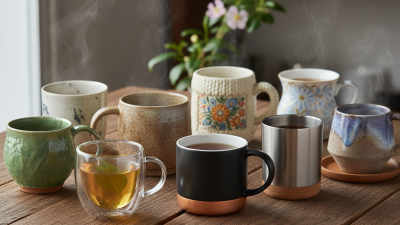
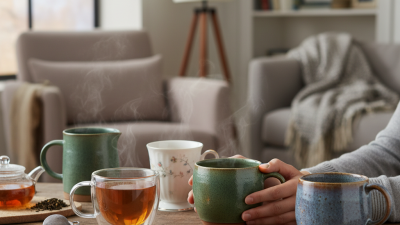
In the realm of tea, customization is key. Mugs come in various materials, shapes, and sizes, each impacting the temperature and taste of your tea. For instance, ceramic mugs retain heat well, while glass options allow for visual appreciation of tea’s color. However, not all mugs are created equal. It's crucial to consider factors like insulation, ease of grip, and aesthetic appeal when making a choice.
Moreover, many consumers overlook the importance of quality in their tea mugs. Some may settle for cheap options that compromise on design and functionality. Investing in a good tea mug is a reflection of a commitment to a better tea experience. As the market evolves, the right tea mug can indeed elevate your favorite brew from ordinary to extraordinary, making each sip an intimate affair.
Choosing the Right Material for Your Tea Mug
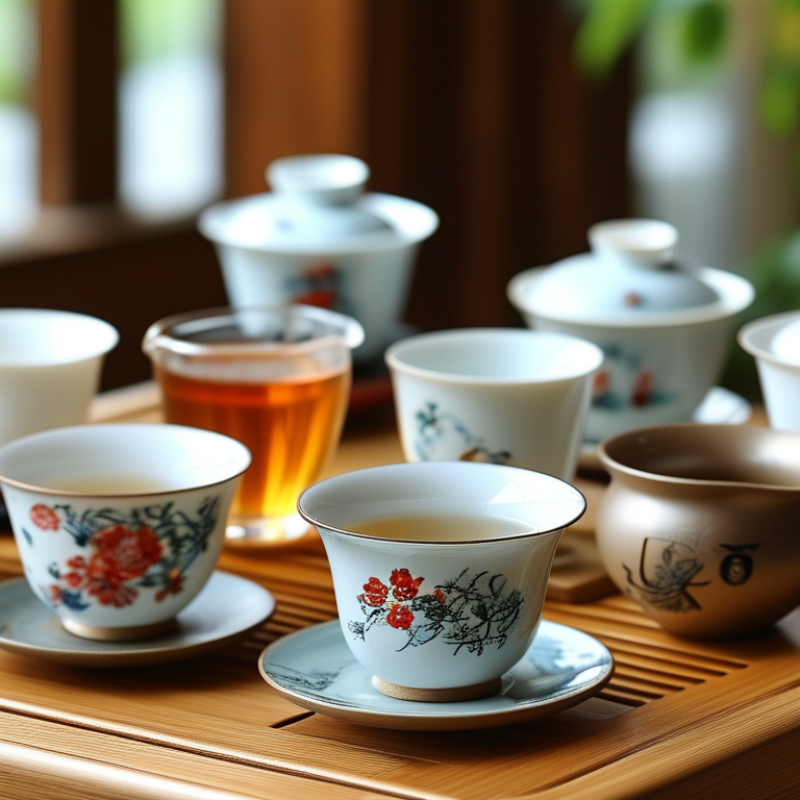
When selecting a tea mug, material choice plays a crucial role in enhancing your experience. Ceramic mugs are popular due to their heat retention and aesthetic appeal. According to a report from the Tea Association, 60% of tea drinkers prefer ceramic for its ability to maintain temperature. However, they can be fragile. Consider how often you travel or if you have young ones around.
Glass mugs offer a unique advantage. They allow for beautiful visual experiences as the tea brews. A study from the International Tea Market shows that 45% of consumers enjoy visually engaging presentations. However, they may not retain heat as effectively as ceramic. Keep this in mind if you sip slowly.
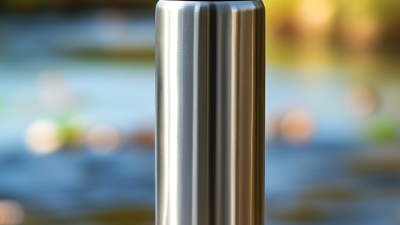
Stainless steel is another option gaining popularity. It is durable and excellent for temperature control. Yet, some tea aficionados argue stainless steel alters the flavor. This discrepancy is worth considering. Each material has its pros and cons. Reflect on your habits and preferences when making a choice.
Understanding Different Tea Mug Designs and Their Benefits
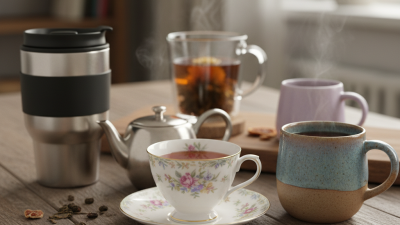
When choosing a tea mug, design matters. A well-designed mug can elevate your tea-drinking experience. Ceramic mugs are popular for their heat retention. They keep your brew warm for longer periods. Stainless steel options offer durability and insulation. They are perfect for travel. Glass mugs allow you to appreciate the color and clarity of your tea. However, they may lack the warmth of ceramic.
Different mugs also impact the flavor and aroma of your tea. Wider openings can enhance aroma, allowing you to savor each sip. Consider mug shape; a tapered design may concentrate flavors. Comfort is key—choose a mug that feels good in your hand. A mug that’s too heavy can spoil the experience. Reflect on how the mug’s weight affects your enjoyment.
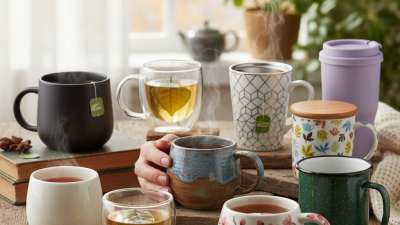
Moreover, personal taste plays a significant role. Some prefer classic styles, while others lean towards modern aesthetics. It's essential to choose a mug that resonates with you. Test a few options—this exploration can be enlightening. Sometimes, the perfect mug is not about perfection at all; it’s about finding what feels right for you. The journey of selecting the right tea mug can be as satisfying as the brew itself.
Top Features to Look for in a Quality Tea Mug
When choosing a tea mug for your daily brew, consider the material.
Ceramic mugs retain heat well and offer a classic aesthetic.
Glass mugs provide a modern look, showcasing the tea's vibrant colors.
Stainless steel options are great for travel, keeping your drink warm for hours.
Next, think about the size. A larger mug is perfect for longer sipping sessions, while smaller ones suit a quick enjoyment.
A comfortable handle is equally important. It should allow for an easy grip without feeling too bulky.
The weight of the mug can also affect your experience. A heavier mug may feel sturdy, while a lighter one offers portability.
Lid and infuser features can enhance your tea experience. A lid helps retain heat, keeping your drink at the right temperature.
Infusers allow for more control over steeping time.
Look for a mug that combines beauty and functionality. Remember, the ideal tea mug is one that feels good in your hand and fits your daily routine.
It may take some trial and error to find the perfect match.
Popular Brands Offering the Best Tea Mugs
When it comes to finding the right tea mug, many factors come into play. Popular brands leverage consumer data that shows nearly 70% of tea drinkers prioritize mug design over functionality. Crafting the perfect tea experience requires a focus on material and heat retention. Porcelain and glass mugs are widely chosen for their ability to maintain temperatures longer, making them favorites among tea enthusiasts.
In recent studies, it has been shown that 56% of tea drinkers prefer larger mugs, enhancing their sipping experience. Size allows for ample tea leaves, leading to richer flavors. However, not all large mugs are designed ergonomically. Some do not fit comfortably in hand or lack stability, causing spills. This is where thoughtful design intersecting user experience becomes essential. Brands are taking note of these factors to meet consumer needs more effectively.
Material matters too. Research indicates that 48% of tea drinkers report that a mug’s heat retention is crucial. Stainless steel options provide excellent insulation but may compromise the aesthetic appeal. This trade-off highlights the ongoing challenge of balancing functionality with style. The quest for the best tea mug often leads consumers to reconsider their preferences and explore diverse options.
Best Tea Mugs for Your Daily Brew's Perfect Sip
Caring for Your Tea Mug: Cleaning and Maintenance Tips
Cleaning and maintaining your tea mug can significantly enhance your tea experience. Regular care ensures that flavors remain pure and enjoyable. A simple rinse after each use is essential. Hot water can wash away most residue. However, some stains may need a gentle scrub.
For deeper cleaning, especially with ceramic or glass mugs, consider using baking soda. Mix it with water to form a paste. Apply it gently to stained areas and let it sit. Rinse thoroughly afterward. Avoid harsh chemicals; they can damage the mug’s finish.
Dry your mugs properly to prevent moisture buildup. A damp environment can lead to mold growth, especially with wooden or bamboo mugs. Store them in a cool, dry place to maintain their quality. Every mug tells a story through its wear and tear. Reflect on the journey of your favorite mug; imperfections can add character.

 +86-13586927333
 CONTACT NUMBER
 CONTACT NUMBER