Leave Your Message

10 Best Thermos Pots for Global Buyers in 2026?

Choosing a Thermos Pot for international markets takes more than comparing capacity and price. Buyers need dependable heat retention, a lid that pours cleanly, and materials that feel sturdy in daily use. A pot may look polished online, yet a loose stopper or narrow opening can quickly become frustrating. Small details matter.

Industrial designer Dieter Rams, known for his work on product design, offered a useful principle: “Good design is as little design as possible.” Rams was not a Thermos Pot specialist, so this is a design lens, not a product-performance claim. The distinction matters. A trustworthy buying guide should separate verified specifications from impressions and avoid treating marketing language as proof.

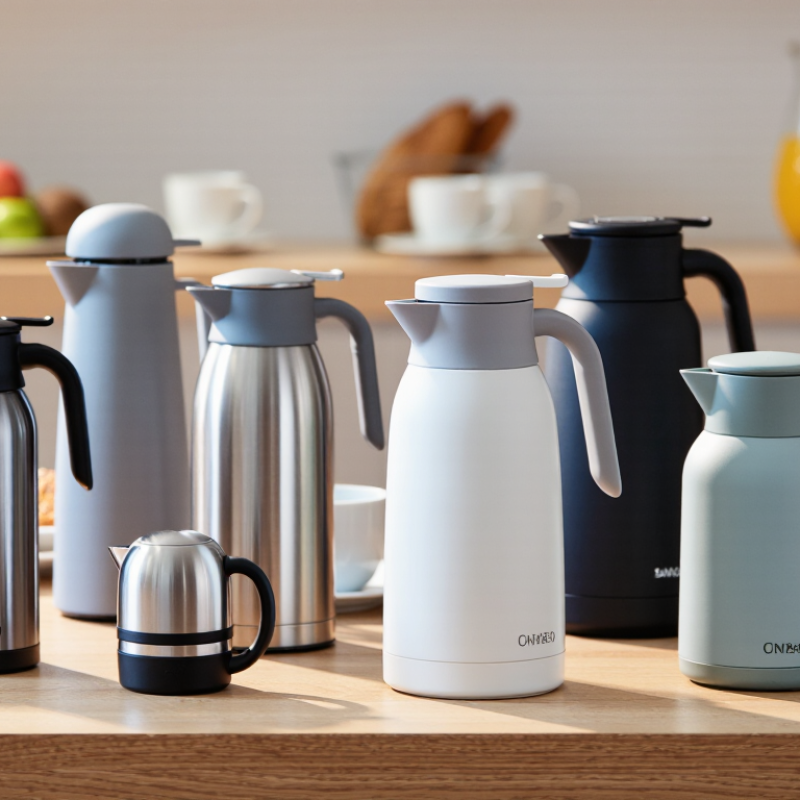
This 2026 overview compares ten options for global buyers, with attention to insulation, capacity, pouring comfort, cleaning access, and portability. Picture a pot beside a busy breakfast table: it should pour without drips, keep coffee warm, and open easily for cleaning. No model is perfect. Some prioritize larger capacity over compact storage; others feel lighter but may offer fewer convenience features. Buyers should confirm current specifications, warranty terms, and regional availability before ordering. Those checks can prevent avoidable surprises. The aim is a practical shortlist, not a universal winner.
10 Best Thermos Pots for Global Buyers in 2026?

What Is a Thermos Pot and How Is It Used?

A thermos pot is an insulated food container designed to keep meals warm or chilled during transport and serving. Most use double walls with a vacuum gap, which slows heat transfer. The inner pot holds food; an outer lid helps reduce heat loss and spills. Depending on its design, it may suit soup, rice, porridge, or a packed lunch. It is not a cooking appliance, and insulation performance varies by size, fill level, and starting temperature.

For safer hot-food storage, the USDA Food Safety and Inspection Service advises keeping hot food at 140°F (60°C) or above. Cold food should stay at 40°F (4°C) or below. Preheating the pot with hot water can help, but it does not guarantee a safe holding temperature. I still check with a food thermometer when carrying a meal for several hours; that extra step can feel fussy, but guesswork is less reliable.

Tips: Fill the pot soon after preheating, keep it closed, and avoid repeated lid opening. Use separate utensils for serving, and wash the pot promptly after meals. Even a sturdy container has limits.
How Thermos Pots Retain Heat and Keep Drinks Secure

10 Best Thermos Pots for Global Buyers in 2026?
How Thermos Pots Retain Heat and Keep Drinks Secure

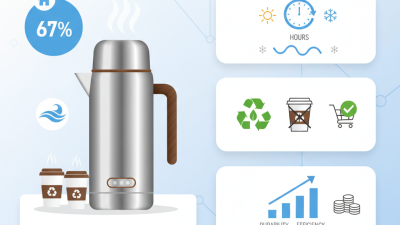
A thermos pot usually has two walls with a vacuum between them. This gap slows heat transfer, while reflective inner surfaces can reduce heat loss further. The lid matters too. A well-fitted seal limits warm air escaping and helps prevent spills during careful transport. Still, no pot keeps drinks hot forever. Capacity, starting temperature, room conditions, and how often you open the lid all affect performance. Small details matter.

Tips: Preheat the pot with hot water, then empty it before filling. Close the lid firmly, keep the pot upright, and pour promptly. Check the seal for crumbs or wear. A warm outer wall alone does not prove poor insulation; the lid or base may feel warmer than the body.

When comparing thermos pots, look for a stable base, a comfortable handle, and a pouring spout that controls the flow. Ask whether the lid is designed for carrying or mainly for serving, since these are not always the same. Product heat-retention claims can help, but test conditions differ. I would avoid treating one number as a guarantee. A small leak after a rushed pour can happen, so practice over a sink before packing it beside papers or electronics.

How Thermos Pots Retain Heat and Keep Drinks Secure

Illustrative cooling model for hot water starting at 95°C in a 22°C room. The curve assumes a 24-hour cooling time constant; it is not a measured result for any specific pot.

Vacuum insulation slows heat transfer, while a well-sealed lid limits air exchange and helps prevent spills. Actual cooling depends on the pot, fill level, lid use, and surroundings.

Which Features Matter to Global Buyers in 2026?

For global buyers in 2026, a thermos pot should match the way people actually serve drinks and meals. A 1.5-liter pot may suit a small office, while a larger household may need more capacity. Bigger is not always better. It takes more space and can feel heavy when full. Check whether the seller states how heat retention was tested, including the starting temperature and test duration. Numbers without conditions are hard to compare.

Look closely at the lid, handle, and pouring spout. A wide opening makes cleaning easier, but a poorly designed lid may leak when tilted. Small details matter. Stainless steel interiors are practical for frequent use; buyers should also inspect the rim and seams for rough edges. Consider whether replacement seals are available and whether care instructions are clear in your market’s language. For different climates, test performance in both warm and cool rooms when possible. One limitation: product tests rarely reflect every household’s routine. A pot that performs well in a showroom may still be awkward at a crowded breakfast table. Check dimensions, packed weight, and local service options before ordering.

10 Best Thermos Pots for Global Buyers in 2026

A useful 10-pot shortlist for global buyers in 2026 should cover different needs, not just the largest capacities. Look for compact pots for small households, wide-mouth designs for easy serving, and larger models for shared meals. Stainless steel interiors are practical for everyday use, while a stable handle and broad base help when carrying a full pot. Small details matter.

Insulation claims deserve a careful look. A heat-retention figure is meaningful only when test conditions are clear, and results can vary with starting temperature, fill level, and room conditions. Check whether the lid seals securely, whether the spout pours without drips, and whether the gasket can be removed for cleaning. A warm drink should not come with a difficult cleanup. For international use, confirm that food-contact materials are documented and that replacement parts can be obtained in your region.

Capacity is easy to misjudge. A pot that looks generous online may feel heavy when full, especially on a crowded table. Consider serving size, storage space, and how often the pot will travel between kitchen and dining area. Leaks happen. Read recent buyer feedback, but treat isolated reports cautiously; shipping damage and daily wear can be hard to distinguish. No single design suits every home, so compare the trade-offs before choosing.

10 Best Thermos Pots for Global Buyers in 2026

A practical comparison of common thermos-pot capacity and design options. These are buying profiles, not specific product listings; actual dimensions, materials, and heat-retention performance vary by model.

No. Thermos Pot Type Typical Capacity Suitable For Common Construction Key Buying Checks
1 Compact personal pot 0.5–0.8 L One person, desk use, or short outings Usually a vacuum-insulated stainless-steel inner vessel Check opening width, lid seal, and whether the pot is easy to clean.
2 Everyday small pot 0.9–1.2 L One or two people at home or work Double-wall vacuum insulation is common Look for a stable base, a comfortable handle, and clear care instructions.
3 Daily household pot 1.3–1.6 L Regular tea or coffee service for a small household Stainless-steel interior with a metal or polymer exterior Confirm the stated usable capacity and whether the lid pours without dripping.
4 Family table pot 1.7–2.0 L Shared meals and several servings Vacuum-insulated body; handle and lid designs vary Check filled weight, grip comfort, and the manufacturer’s cleaning guidance.
5 Large family pot 2.1–2.5 L Larger households or extended table service Commonly stainless steel with a wide carry handle Ensure the lid locks securely and the pouring mechanism is manageable when full.
6 Office or meeting pot 2.6–3.0 L Small meetings, shared kitchens, or group service Insulated vessel with a pump top or push-button dispenser on some designs For pump models, check dispensing effort, removable-part cleaning, and leak resistance.
7 High-capacity serving pot 3.1–3.5 L Larger gatherings and frequent refills Typically a vacuum-insulated body with a broad base Compare empty weight, counter footprint, and how the pot is meant to be carried.
8 Large pump dispenser 3.6–4.0 L Buffets, shared workspaces, or events Insulated stainless-steel container with a pump-style top on many models Check pump access for cleaning, replacement-part availability, and transport instructions.
9 Extra-large event pot 4.1–5.0 L Large groups where the pot can remain on a stable surface Large insulated vessel; dispenser and lid styles vary Check filled handling weight, serving method, and whether it fits the intended storage space.
10 Wide-mouth food or beverage pot 0.7–2.0 L Soups, porridge, or beverages, depending on the model’s stated use Vacuum-insulated stainless steel; some designs include a removable inner component Verify food-contact suitability, mouth width, and whether the lid and seals are removable for cleaning.

Buying note: Heat-retention claims depend on the test method, starting temperature, fill level, and ambient conditions. Compare products using the same stated test conditions, and check local food-contact requirements and care instructions before purchase.

How to Choose a Thermos Pot for Different Needs and Markets?

Choosing a thermos pot starts with the way people will use it. A household serving hot tea all morning needs a different capacity from a café serving customers in quick rounds. Check how many cups the pot holds, but also whether it fits the shelf and feels manageable when full. Bigger is not always better.

Insulation matters, yet performance depends on more than a product label. Compare heat retention under consistent test conditions, and check whether the lid seals securely when the pot is tilted. In colder regions, buyers may prioritize longer heat retention. In warmer markets, easy cleaning and a cool-touch handle may matter more. There is no perfect choice.

Pay attention to the details people handle every day. A wide opening makes cleaning easier, while a removable gasket can help users reach residue around the lid. Stainless steel is often practical for frequent use, but surface finish and construction still deserve inspection. For wholesale buyers, request samples and test pouring, leakage, and cleaning with the drinks customers actually serve. Packaging, replacement-part access, and clear care instructions also affect long-term value. A specification sheet can miss awkward details. That deserves a second look.