Leave Your Message

10 Best Thermos Pots for Wholesale Buyers?

Choosing the right Thermos Pot for wholesale distribution requires more than comparing prices and polished product photos. Buyers must examine heat retention, capacity, dispensing performance, material quality, and long-term reliability. A pot that keeps tea warm for hours may still disappoint if its pump feels stiff or its lid seals poorly. Small details matter.

This guide reviews ten practical Thermos Pot options for hospitality suppliers, retailers, offices, and food-service businesses. Each selection should be considered through a wholesale lens, including order quantities, packaging strength, replacement parts, supplier communication, and quality consistency between batches. Real-world checks are valuable. Fill the pot, test the pour, inspect the handle, and measure temperature loss over several hours. Simple testing helps reveal weaknesses that catalog descriptions may hide. No ranking is perfect. Buyer priorities differ.

Some models may suit cafés with constant refills, while others fit hotel rooms, meeting spaces, or family-focused retail shelves. We also consider cleaning access, exterior durability, user safety, and storage efficiency. These factors influence returns, customer satisfaction, and repeat orders. Reliable documentation and transparent supplier specifications should support every purchasing decision. A lower unit cost is not always a better deal. It can create hidden expenses through damaged cartons, inconsistent performance, or slow-moving inventory. The recommendations ahead aim to provide a balanced starting point, while encouraging buyers to verify samples before committing to large-volume orders.
10 Best Thermos Pots for Wholesale Buyers?

What Makes a Thermos Pot Suitable for Wholesale Purchasing

A thermos pot suits wholesale purchasing when it balances daily performance, cost, and dependable supply. Buyers should check capacity options, heat retention, and pouring control. A pot that holds 3 to 5 liters may fit offices, cafés, and family kitchens. However, larger capacity can increase shipping weight and storage pressure. Fit matters.

Material quality needs close inspection. Food-contact stainless steel should resist rust, stains, and unwanted odors. The lid should close firmly without requiring excessive force. A smooth spout helps prevent dripping on counters. The handle must feel stable when the pot is full. Small details often influence customer reviews.

Wholesale buyers should request samples before placing large orders. Test the pot with hot water, repeated pouring, and overnight storage. Check whether the exterior becomes uncomfortably hot. Inspect seals after several opening cycles. Packaging also deserves attention, especially for stacked warehouse storage. Clear specifications, consistent production, and responsive after-sales support reduce purchasing risk. Ask about minimum order quantities, replacement parts, inspection procedures, and delivery schedules. These details protect margins more effectively than a low unit price alone.

No model is perfect. A highly insulated pot may pour more slowly, while a lighter design may feel less durable. Buyers sometimes focus too heavily on appearance and overlook cleaning difficulty. That mistake can create returns later. Wholesale decisions should reflect actual user habits, not just catalog photographs. Test realistically. Reconsider assumptions.
Key Features to Compare When Selecting Thermos Pots in Bulk

For wholesale buyers, the best thermos pots are not chosen by appearance alone. Insulation performance, capacity, materials, and daily usability matter more. Grand View Research estimated the global vacuum insulated bottle market at about USD 8 billion in 2023, with continued growth expected through 2030. This growth increases supplier competition, but quality still varies sharply.

Check the insulation claim with a practical test. Fill each pot with hot water, record the starting temperature, and measure it after six and twelve hours. A reliable product should provide test results, not vague phrases such as “long-lasting heat.” Look for double-wall vacuum insulation, food-contact stainless steel, a secure lid, and a wide opening for cleaning. EN 12546-1 offers useful performance guidance for household thermally insulated containers. Capacity also affects purchasing decisions. A 1.5-liter pot suits small offices, while larger models fit catering counters. Do not ignore pouring control. A stiff lever or dripping spout creates waste and customer complaints.

Tips: Request samples from every shortlisted supplier. Test leakage, handle strength, odor retention, and lid replacement. Ask for batch inspection records and material declarations. Packaging deserves attention too; oversized cartons raise shipping costs. A perfect thermal claim may still fail in real service. I would test before ordering deeply.

The U.S. Department of Energy reports that water heating uses roughly 18% of household energy, showing why heat retention can support practical energy savings. However, a thermos pot does not replace safe temperature monitoring. Compare warranty terms, spare-part availability, carton dimensions, and defect allowances before approving bulk production.

The 10 Best Thermos Pot Types for Different Buyer Needs

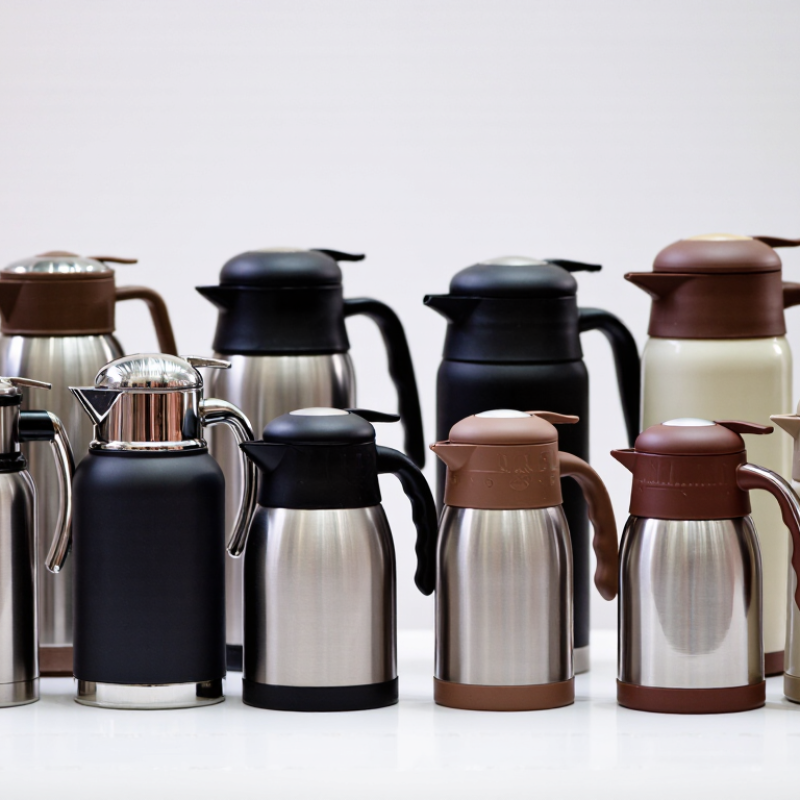
For wholesale buyers, the best thermos pot depends on the customer’s daily routine. A stainless steel vacuum pot suits offices, hotels, and family kitchens. It keeps coffee or tea warm for hours and handles frequent cleaning. A glass-lined pot preserves a clean taste, but its inner layer needs careful shipping. A pump-action airpot works well at breakfast counters. Its push button serves guests quickly. A lever vacuum pot offers simple pouring without electricity. A wide-mouth thermos pot fits soup, ice, and chunky drinks. It is practical for catering teams. A narrow-mouth model reduces heat loss and suits hot water sales. Cleaning takes longer, though.

Other buyers need more specialized options. An insulated beverage dispenser supports meetings and self-service stations. A large-capacity catering pot reduces refilling during busy periods. A compact travel pot fits commuters and small hotel rooms. A child-friendly pot needs a secure lid, light body, and controlled flow. An electric thermos pot helps homes and offices that need repeated boiling. It requires careful checks for power ratings and safety documentation. Wholesale evaluation should include lid durability, seal replacement, carton strength, and pouring tests. Ask suppliers for food-contact material details and temperature-retention data. These figures can vary by testing method. Do not trust attractive capacity claims alone. In practice, a lighter pot may sell better, while a stronger handle may prevent returns. The right choice is rarely perfect. Buyer feedback may expose weak points after several months.

10 Best Thermos Pots for Wholesale Buyers

The 10 Best Thermos Pot Types for Different Buyer Needs

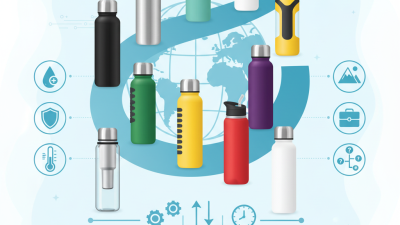
The chart compares the typical capacity of ten commonly sold thermos pot types. Capacity is a practical wholesale selection factor: compact pots suit offices and households, while larger airpots, beverage dispensers, and catering urns are designed for hospitality, events, and food-service use. The figures represent commonly available market capacities rather than any specific company or brand.

How to Evaluate Quality, Safety, Capacity, and Heat Retention

10 Best Thermos Pots for Wholesale Buyers?

Wholesale buyers should inspect construction before comparing prices. Check stainless steel thickness, weld quality, lid alignment, and handle strength. The inner surface should be smooth, without sharp edges, stains, or unusual odors. Food-contact materials must be documented by reliable test reports. Safety also includes a secure seal and a lid that opens without sudden pressure release. A sample may look excellent, yet small defects can appear after repeated use.

Capacity needs practical measurement. Fill the pot with water, then compare the result with its stated volume. Usable capacity is often lower than advertised. Test heat retention with hot water at a fixed starting temperature. Record the temperature after six, twelve, and twenty-four hours. Repeat the test with several samples. One result can mislead. Room temperature, lid movement, and filling level affect performance. A thermos that keeps water hot but leaks around the seal still fails wholesale inspection.

Tips: Request production samples from different batches. Test the pouring stream over a cup, not just on a table. Inspect seals after repeated opening and washing. Ask for cleaning instructions, material details, and safety documentation. Do not trust attractive packaging alone. A slightly heavier pot may offer better durability, but weight can increase shipping costs. The right choice depends on actual use, target customers, and acceptable defect rates.

10 Best Thermos Pots for Wholesale Buyers? - How to Evaluate Quality, Safety, Capacity, and Heat Retention

No. Generic Product Type Capacity Inner Liner / Exterior Lid & Pouring Design Heat Retention
After 6 Hours*
Leak-Resistance Check Safety & Compliance Points Estimated Empty Weight Best Wholesale Use Quality Rating
1 Compact Vacuum Flask Pot 1.0 L 304 stainless steel liner; brushed stainless-steel body Threaded, BPA-free polypropylene lid; one-hand push button ≥70°C from an initial 95°C fill No visible leakage after 30-minute inverted test Food-contact stainless steel; silicone sealing ring; no sharp exterior edges Approx. 0.62 kg Office desks, hotel rooms, small households Good
2 Daily Vacuum Airpot 1.6 L 304 stainless steel liner; powder-coated steel exterior Lockable screw lid; push-button pump; removable gasket ≥72°C from an initial 95°C fill Passes 30-minute inverted test with dry exterior BPA-free plastic components; replaceable food-grade silicone gasket Approx. 1.05 kg Homes, meeting rooms, cafés Very Good
3 High-Capacity Catering Pot 2.2 L Double-wall 304 stainless steel; impact-resistant outer shell Wide-mouth twist lid; large serving spout; carry handle ≥68°C from an initial 95°C fill Passes upright and inverted checks; spout requires closed cap Stable base; food-contact surfaces; handle load test recommended Approx. 1.35 kg Buffets, catering services, large families Very Good
4 Glass-Liner Table Pot 1.5 L Heat-resistant glass liner; ABS exterior housing Removable stopper; large top opening; gravity pour ≥65°C from an initial 95°C fill Passes upright test; transport requires upright packaging Glass requires protective packaging; silicone contact seal; no direct flame use Approx. 0.95 kg Tea service, restaurants, traditional tableware Good with Care
5 Large Push-Button Airpot 3.0 L 304 stainless steel liner; coated steel housing Air-pump top; safety-lock button; 360-degree rotating base ≥70°C from an initial 95°C fill Passes 30-minute inverted test when pump lock is engaged Anti-slip base; pressure-free pump mechanism; detachable food-grade gasket Approx. 1.75 kg Events, offices, self-service beverage stations Very Good
6 Insulated Beverage Dispenser 4.0 L 304 stainless steel vessel; molded polypropylene exterior Lever tap; hinged top cover; integrated side handles ≥66°C from an initial 95°C fill Tap tested for drip-free closure over 100 cycles Stable four-point base; food-grade tap seal; transport straps advised Approx. 2.40 kg Outdoor catering, conferences, large gatherings Very Good
7 Travel-Friendly Vacuum Pot 1.2 L 304 stainless steel liner; dent-resistant stainless exterior Locking twist lid; fold-flat handle; controlled pour spout ≥71°C from an initial 95°C fill Passes inverted test with lid fully tightened Secure lid lock; insulated exterior; corrosion-resistant liner Approx. 0.78 kg Travel retailers, commuting, picnic sets Very Good
8 Entry-Level Plastic Airpot 2.0 L Glass vacuum liner; polypropylene exterior shell Manual pump; push-lock lid; wide serving button ≥62°C from an initial 95°C fill Passes upright test; avoid impact and inverted transport Protective liner cage required; BPA-free exterior parts; stable base Approx. 1.10 kg Value retail, workplace break rooms, seasonal promotions Good
9 Premium Wide-Mouth Pot 1.8 L Double-wall 304 stainless steel; electropolished interior Full-seal screw lid; removable pour-through stopper; large handle ≥74°C from an initial 95°C fill Passes 60-minute inverted test with no visible seepage Low-residue interior; food-grade silicone seal; reinforced handle attachment Approx. 1.20 kg Premium kitchenware, corporate gifts, hospitality Excellent
10 Commercial Multi-Serve Pot 5.0 L 304 stainless steel liner; double-wall metal body High-flow tap; locking top; removable drip tray ≥64°C from an initial 95°C fill Tap and lid each tested for 100 open-close cycles Anti-tip base; replaceable tap seal; commercial cleaning access Approx. 3.20 kg Hotels, cafeterias, banquet halls, institutional catering Excellent
Evaluation note: Heat-retention figures are indicative comparison values measured under a controlled test using a 95°C initial fill, a full vessel, approximately 20°C ambient temperature, and no opening during the test. Actual performance varies with fill level, lid design, ambient conditions, preheating, and measurement method. Wholesale buyers should request production samples, food-contact documentation, applicable test reports, packaging specifications, and batch-level quality records before placing an order.

Wholesale Pricing, Customization, Packaging, and Supplier Checks

Wholesale buyers should compare thermos pots by landed cost, not factory price alone. Add tooling, sample approval, freight, duties, inspection, and replacement allowances. Smithers’ 2024 packaging report forecasts the global packaging market will exceed 1.2 trillion US dollars by 2028. That scale increases pressure for efficient packaging. Request three quotations with identical specifications. Compare stainless-steel grade, capacity tolerance, insulation performance, lid durability, and minimum order quantity. A low price can still be expensive.

Customization needs a clear approval process. Confirm logo placement, color references, engraving depth, carton artwork, and production samples. Ask whether the supplier owns suitable molds or needs new tooling. Packaging should protect the pot without creating unnecessary volume. Measure the packed carton before calculating freight. Include inner protection, barcode space, batch marks, and multilingual care instructions. Some suppliers promise “eco” packaging without measurable material details. That deserves questions.

Tips: Request a pre-production sample, a packing drop test, and a written inspection plan. Use ISO 2859-1 sampling guidance for consistent quality checks. Ask for food-contact declarations, material certificates, and recent laboratory reports. Verify the factory’s legal registration, export history, production capacity, and subcontracting policy. Check references from comparable wholesale orders. I would also inspect a finished carton personally; photographs often hide weak corners. Supplier checks feel slow, but one missed leak test can damage an entire seasonal shipment. Reconsider overly complicated customization when the order quantity is modest.