Top 10 Best Wine Cup Options for Discerning Buyers?
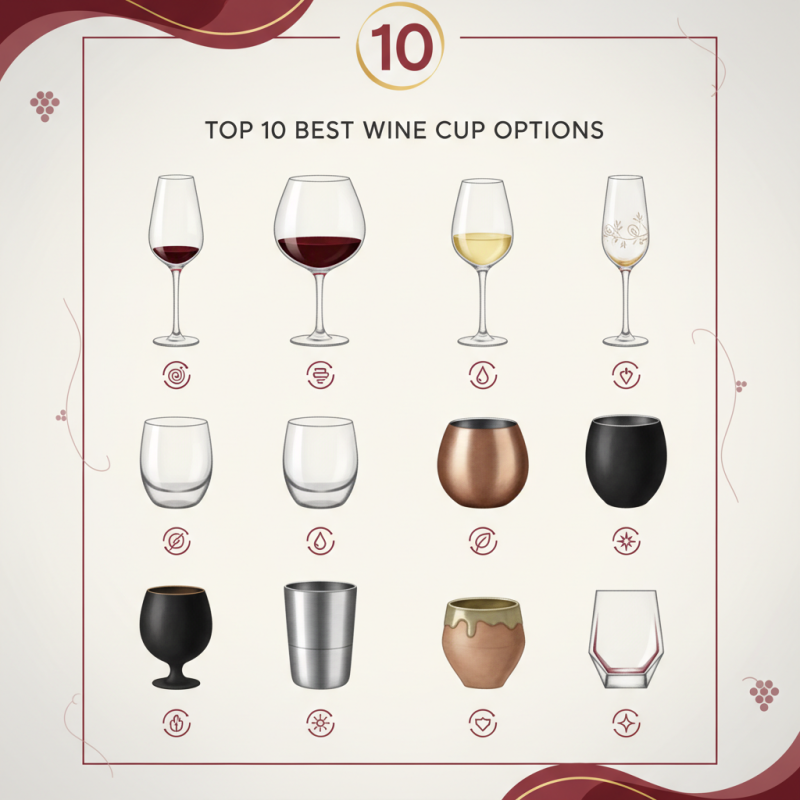
When it comes to enjoying fine wines, the vessel you choose greatly influences the experience. A good Wine Cup should enhance flavors and aromas. Choosing the right one is crucial for discerning buyers. This guide presents the top 10 best options on the market. Each choice balances style, functionality, and durability.
Wine Cups come in various materials. Glass, stainless steel, and ceramic offer distinct benefits. A well-designed cup can elevate the tasting experience. It also adds a touch of elegance to any gathering. However, not all Wine Cups live up to expectations. Some promise much but deliver little in terms of quality.
Understanding your preferences is key. Think about design, size, and practical use. A cup that feels good in your hand may enhance your enjoyment. By exploring these top selections, you may find just the right piece to complement your wine collection.
Understanding Different Types of Wine Cups: A Comprehensive Overview
When it comes to wine cups, understanding the different types is essential for a discerning buyer. Each type enhances the wine experience in unique ways. For instance, traditional glass wine glasses are designed to aerate the wine, allowing aromas to develop. Crystal glasses, known for their brilliance, can elevate the visual experience but may require more care.
On the other hand, stainless steel cups have gained popularity for outdoor settings. They provide durability and temperature control. However, some wine enthusiasts argue they compromise the wine's taste. Silicone cups are lightweight and portable but may not be suitable for all types of wine. Their flexibility can lead to a loss of aeration.
Choosing the right cup involves weighing personal preferences against practical considerations. Glass offers elegance but requires careful handling. Stainless steel provides resilience but can alter the flavor. Consider how each option aligns with your lifestyle. Reflect on your ideal wine experience to make an informed decision.
Key Features to Consider When Choosing a Wine Cup
When selecting a wine cup, consider material, design, and functionality. The right material impacts taste and temperature.
Glass cups are classic, enhancing the aroma. Stainless steel options offer durability but may alter flavors. Aesthetic design matters too. Choose cups that reflect your style and occasion.
Tips: Look for ergonomic designs that feel comfortable in hand. Heavy cups provide stability but can be cumbersome.
Pay attention to the rim; a thinner rim can enhance the drinking experience.
Functionality is crucial as well. Some wine cups insulate better than others, maintaining optimal temperature. If you enjoy outdoor activities,
lightweight and shatterproof options might be beneficial. Keep in mind the size; larger cups may hold more but can be less elegant.
Tips: Consider a versatile cup that works for red and white wines. A cup that brings out flavors in both can enhance your tasting experience.
Finally, make your choice based on personal preferences, but always reflect on how each option complements your wine experience.
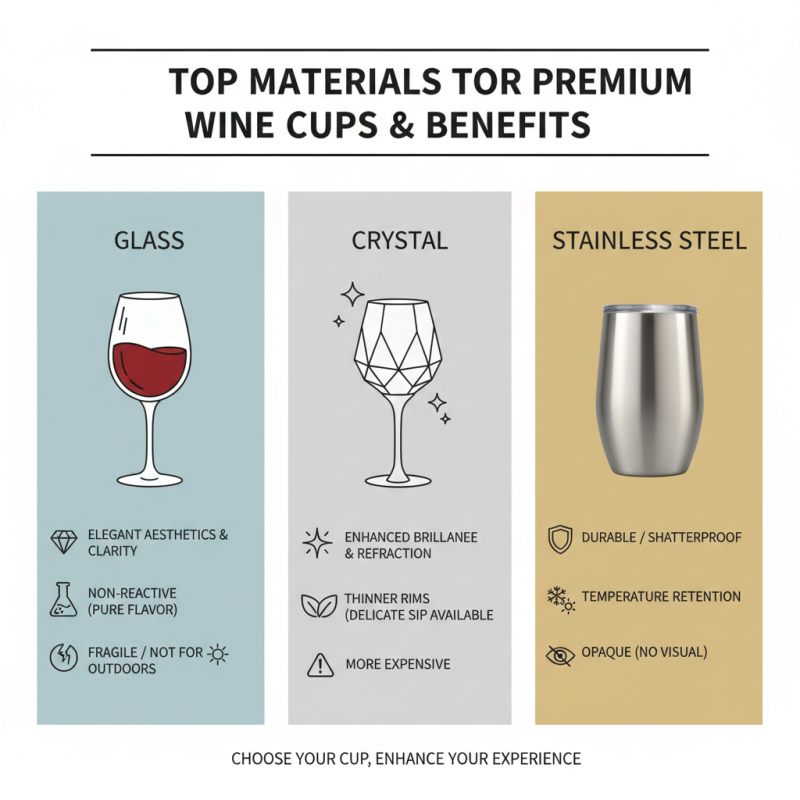
Top Materials Used for Premium Wine Cups and Their Benefits
When selecting premium wine cups, the material significantly impacts the experience. Glass is a classic choice, providing elegant aesthetics and clarity. Its non-reactive nature ensures that wine flavors remain pure. However, glass can be fragile, and it may not be ideal for outdoor settings.
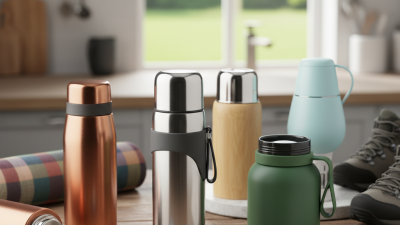
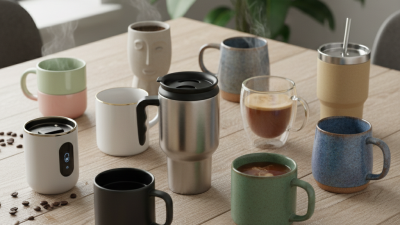
Stainless steel has grown popular for its durability and insulation properties. This material maintains temperature longer, keeping red wine warm and white wine chilled. Yet, some critics argue that stainless steel can alter the taste, diminishing the wine's true essence. Another option is ceramic, known for its ability to retain heat. The unique glazes add character, but they are often heavy and can chip easily.
Bamboo is an eco-friendly alternative that adds a touch of nature. Lightweight and renewable, bamboo cups appeal to environmentally conscious consumers. However, they require proper care to avoid warping. Ultimately, each material offers distinct benefits and challenges, catering to different preferences and occasions. Choosing the right wine cup involves considering these variables.
A Review of the Top 10 Wine Cups for Enthusiasts and Collectors
Wine cups have evolved beyond simple vessels; they are now essential tools for enthusiasts and collectors. A recent industry report indicates that consumers increasingly seek quality over quantity. Almost 75% of buyers prioritize craftsmanship and design in wine cups. This reflects a growing appreciation for the aesthetic aspect of wine culture.
When selecting wine cups, material plays a crucial role. Glass and crystal options are popular for their aesthetic appeal and clarity. However, stainless steel and ceramic are gaining traction due to their durability and innovative designs. Each material affects the wine's aroma and temperature differently. For instance, stainless steel can retain temperature longer, providing a unique experience.
The importance of proper shape cannot be ignored. Experts recommend specific shapes for different wine types. A narrower mouth helps retain aromas, while a wider bowl enhances aeration. This complexity in selection can be overwhelming for beginners. It’s essential to consider personal preferences and usage. Investing in high-quality options yields both performance and satisfaction, creating a blend of functionality and art.
Caring for Your Wine Cups: Maintenance Tips for Longevity
Caring for your wine cups is essential for maintaining their beauty and functionality. Rinse them with warm water immediately after use. Avoid leaving residue, as it can stain the surface. When washing, use a soft sponge. Harsh scrubbers may scratch your cups, reducing their appeal over time.
Storing your wine cups properly can extend their lifespan. Place them upright to prevent dirt buildup. Stack them carefully if needed, but use protective padding to avoid chipping. Consider the environment; extreme temperatures can warp or crack your cups.
Regularly inspect your wine cups for any signs of wear. Small scratches or dullness can diminish their charm. If you notice imperfections, assess whether they impact use or aesthetic appeal. Learning from these observations can help refine your care process.
Top 10 Best Wine Cup Options for Discerning Buyers
| Cup Type |
Material |
Capacity (ml) |
Price ($) |
Care Instructions |
| Borosilicate Glass |
Glass |
350 |
25 |
Hand wash recommended |
| Insulated Wine Tumbler |
Stainless Steel |
300 |
20 |
Dishwasher safe |
| Crystal Wine Glass |
Crystal |
400 |
50 |
Hand wash only |
| Traditional Wine Goblet |
Ceramic |
500 |
30 |
Microwave safe |
| Stemless Glass |
Glass |
350 |
15 |
Dishwasher safe |
| Teak Wood Cup |
Wood |
250 |
40 |
Wipe with a damp cloth |
| Silicone Wine Cup |
Silicone |
300 |
12 |
Dishwasher safe |
| Lead-free Glass |
Glass |
360 |
28 |
Hand wash |
| Eco-friendly Reusable Cup |
Bamboo Fiber |
350 |
18 |
Wipe clean only |
| Hand-blown Art Glass |
Art Glass |
420 |
75 |
Hand wash recommended |

 +86-13586927333
 CONTACT NUMBER
 CONTACT NUMBER