China Top 10 Gift Cups You Must Buy for Global Sourcing?
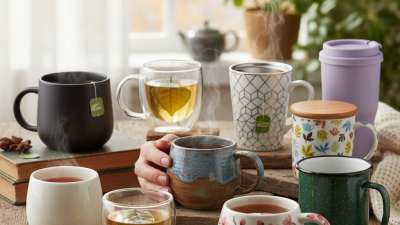
In today's global market, sourcing the right products is vital for success. Gift Cups stand out as a popular choice for corporate gifts, personal celebrations, or promotional items. They combine functionality with aesthetic appeal, making them a versatile option for various occasions.
China offers a vast selection of Gift Cups, showcasing unique designs and craftsmanship. These cups often reflect local culture and traditions, providing a sense of authenticity. Choosing the perfect Gift Cup can enhance any gifting experience, yet navigating the options may be overwhelming.
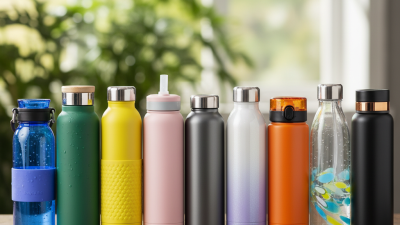
Consider factors such as material quality, design style, and price range when selecting Gift Cups. Popular choices include ceramic, stainless steel, and glass options, each bringing different qualities to the table. This exploration of China’s top ten Gift Cups will help you make informed decisions. While the variety is appealing, it's crucial to reflect on what resonates with your audience.
Top Trends in Gift Cups for Global Sourcing in 2023
In 2023, the landscape of gift cups is evolving rapidly. One major trend is sustainability. Eco-friendly materials are becoming essential in cup designs. Many manufacturers are incorporating biodegradable plastics and recycled materials. This approach not only attracts environmentally conscious consumers but also reflects social responsibility.
Another trend is personalization. Customization options are on the rise. From unique colors to creative designs, consumers enjoy cups that reflect their personality. This trend boosts appeal and can lead to deeper emotional connections with the product. However, not every custom item meets quality standards. It's crucial to ensure that customization does not compromise durability.
Additionally, tech integration is playing a role in gift cup trends. Smart cups that track hydration or maintain temperature are gaining popularity. They cater to a tech-savvy audience looking for innovative items. Yet, this trend also raises questions about battery life and durability. Balancing functionality with aesthetics can be a challenge for designers. It's a journey worth exploring for global sourcing in 2023.
Key Features of High-Quality Gift Cups: What to Look For
When choosing high-quality gift cups, it's essential to focus on materials. Look for cups made from durable ceramics or stainless steel. These options ensure longevity and retain the temperature of your beverages. A well-crafted cup should also be easy to clean and maintain, which is a key factor for gift items.
The design of the cup is just as important. A unique, aesthetically pleasing design can enhance the gifting experience. Look for personalized options or those featuring captivating colors and patterns. The cup’s finish should be smooth and comfortable to hold, making it more enjoyable for the recipient.
Consider practicality. The size of the cup matters; it should be versatile enough for different drinks. Small cups may be perfect for espresso but not for tea or coffee. Opt for sizes around 10 to 12 ounces for everyday use. This flexibility in size ensures that the gift can be appreciated in various settings.
Choose cups that reflect the occasion or the recipient's personality. This reflects thoughtfulness and care, enhancing the gift's emotional value. Ensure the cup feels substantial in hand, as this often indicates quality craftsmanship. Thoughtful selections can lead to better gifting experiences.
Market Insights: Leading Materials Used in Gift Cup Production
In the gift cup industry, the choice of materials plays a crucial role in both aesthetics and functionality. Ceramic, glass, and stainless steel are among the most popular materials used. According to a recent study by Statista, the global ceramic mug market is projected to reach approximately $11 billion by 2025. This indicates the ongoing demand for ceramic gift cups, favored for their durability and versatility.
Glass cups, often seen in high-end gift assortments, are growing in popularity. They appeal to consumers seeking elegance and transparency in their drinkware. A report from ResearchAndMarkets highlights that the global glassware market is expected to expand by 4.5% annually, driven by the rising popularity of eco-friendly products. However, while glass provides a premium look, it can pose safety concerns in certain environments.
Stainless steel is gaining traction for its durability and insulation properties. This material is prized in outdoor and travel cups. A study by Grand View Research estimates that the stainless steel drinkware segment will reach over $20 billion in the next few years. Nonetheless, sourcing sustainable stainless steel materials poses challenges, as environmental considerations grow in importance. Understanding these material trends is essential for anyone involved in global sourcing of gift cups.
China Top 10 Gift Cups You Must Buy for Global Sourcing
| Cup Type |
Material |
Capacity (ml) |
Price Range (USD) |
Popular Use |
| Ceramic Mug |
Ceramic |
300 |
5-15 |
Coffee, Tea |
| Stainless Steel Cup |
Stainless Steel |
500 |
10-20 |
Travel, Sports |
| Glass Cup |
Glass |
250 |
8-18 |
Juice, Water |
| Bamboo Cup |
Bamboo |
350 |
7-15 |
Eco-friendly Gifts |
| Travel Mug |
Plastic/Steel |
400 |
12-30 |
On-the-go Beverages |
| Enamelled Cup |
Enamel Coated Steel |
350 |
8-20 |
Camping, Outdoor |
| Plastic Cup |
Plastic |
200 |
1-5 |
Events, Parties |
| Thick Ceramic Cup |
Thick Ceramic |
350 |
6-16 |
Decorative Use |
| Double-wall Glass Cup |
Borosilicate Glass |
300 |
15-25 |
Stylish Drinks |
| Personalized Cup |
Various |
300 |
10-30 |
Gifts, Souvenirs |
Sourcing Challenges: Navigating Logistics and Regulations in China
Sourcing products from China can be a rewarding yet challenging experience. The logistics of moving goods across continents is complicated. According to the Global Supply Chain Institute, nearly 79% of companies report facing significant challenges in logistics management. These challenges often stem from transportation delays and customs regulations, which can hinder timely deliveries.
Navigating the regulatory environment in China is equally daunting. Compliance with local laws is vital. A report by the International Trade Administration highlights that over 25% of global sourcing companies struggle with understanding local regulations. Missteps can lead to fines or delays, impacting business operations. Connecting with reliable local partners can alleviate some of these concerns.
Adapting to these sourcing challenges is essential. Businesses should invest in training their teams to understand logistics and compliance. This will not only enhance efficiency but also improve overall sourcing effectiveness. In an ever-changing market landscape, reflection on current practices can lead to better strategies for future sourcing endeavors.
Cost Analysis: Understanding Price Variations for Gift Cups in Global Markets
The global market for gift cups is diverse, influenced by various factors that affect pricing. Recent industry reports indicate that prices for gift cups can vary significantly across different regions. For instance, costs in Europe can be as much as 40% higher than in certain parts of Asia. This discrepancy often relates to production costs, shipping fees, and import tariffs.
Understanding these price variations is essential for strategic sourcing. A report by the International Trade Administration shows that sourcing from countries with lower production costs can yield savings of up to 30%. However, quality assurance remains a challenge, necessitating careful supplier evaluation. Poor quality can lead to increased returns, which erodes initial savings.
Moreover, trends in consumer preferences can drive price fluctuations. Eco-friendly materials are growing in demand, potentially increasing the cost of production. Industry experts caution against solely focusing on price. Quality and sustainability are critical for long-term success. Balancing cost and quality remains a complex task for global buyers in this competitive market.
Cost Analysis of China’s Top 10 Gift Cups
This bar chart illustrates the price variations of the top 10 gift cups sourced from China, providing insights for global purchasing strategies.

 +86-13586927333
 CONTACT NUMBER
 CONTACT NUMBER