How to Choose the Best Drinking Bottle for Your Needs?
Choosing the right drinking bottle can feel overwhelming. With so many options available, it’s crucial to know what suits your lifestyle best. "A good drinking bottle should fit your needs, not just your aesthetic," says Susan Lee, a hydration expert at WaterWise. Her insights remind us that function often outweighs looks.
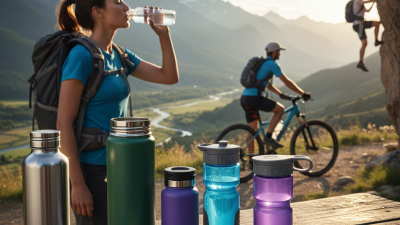
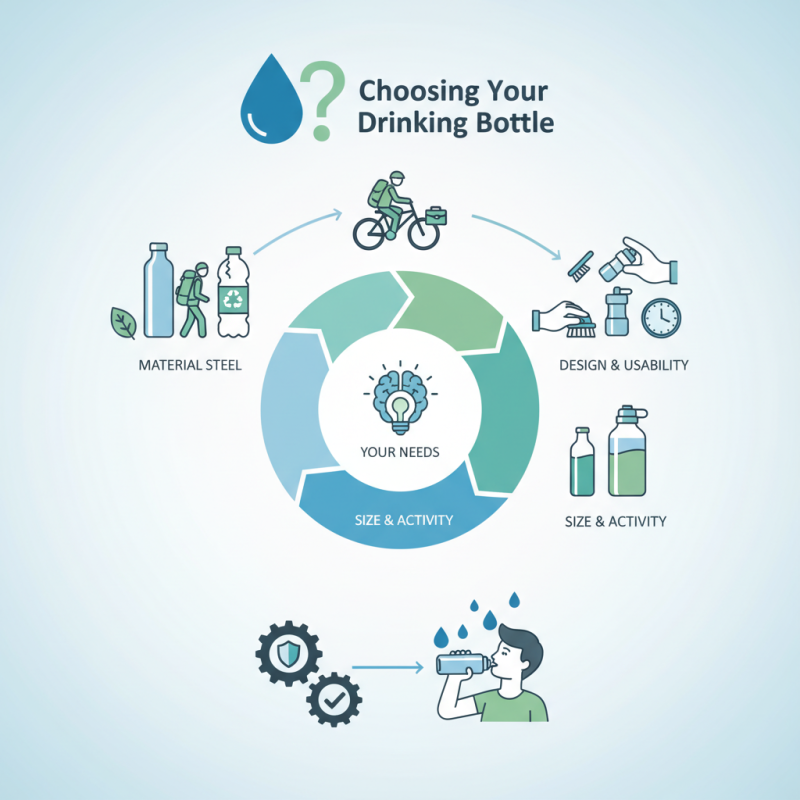
When evaluating a drinking bottle, consider material, size, and design. Stainless steel bottles keep beverages cold for hours. Plastic options might be lighter but can degrade over time. Think about your daily activities. Do you hike, bike, or commute? These factors greatly influence your choice.
It’s easy to get caught up in brands and trends. However, reflect on your personal preferences. Some bottles may have complicated cleaning processes, which can deter regular use. Always prioritize durability and usability over flashy designs. The right drinking bottle should seamlessly fit into your routine, supporting your hydration goals effectively.
Understanding Different Types of Drinking Bottles: A Comprehensive Guide
When selecting a drinking bottle, understanding the variety of options available is crucial. There are stainless steel, glass, and plastic bottles, each with unique benefits. A report from the National Institute of Health stated that stainless steel bottles can keep beverages cold for up to 24 hours. This is especially appealing for outdoor enthusiasts.
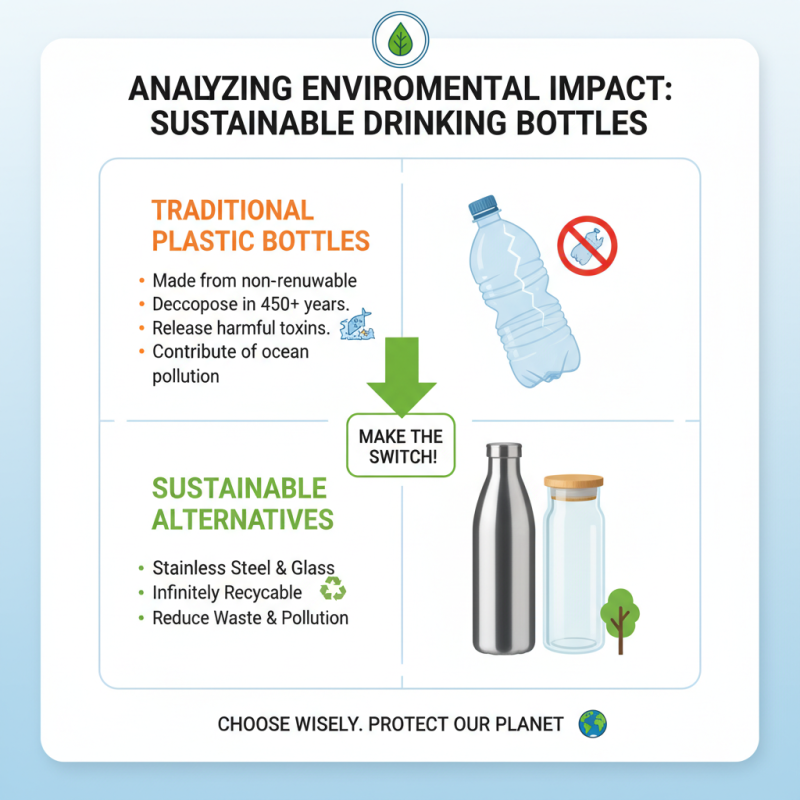
Plastic bottles are lightweight and portable. However, some studies suggest potential chemicals leaching from plastics. A 2021 survey indicated that 35% of consumers are concerned about the safety of plastic bottles. Glass bottles offer a pure taste without chemical interference but may shatter easily. Choosing the right material depends on personal needs and lifestyle.
A critical factor is size. Bottles range from 12 ounces to over a gallon. Many fitness enthusiasts prefer a larger capacity. Yet, a lighter bottle may be better for daily commutes. Comfort in carrying is important, as awkward shapes can deter use. Reflecting on these choices can lead to a better hydration habit, ultimately enhancing overall health.
Evaluating Material Options: Stainless Steel, Glass, and BPA-Free Plastic
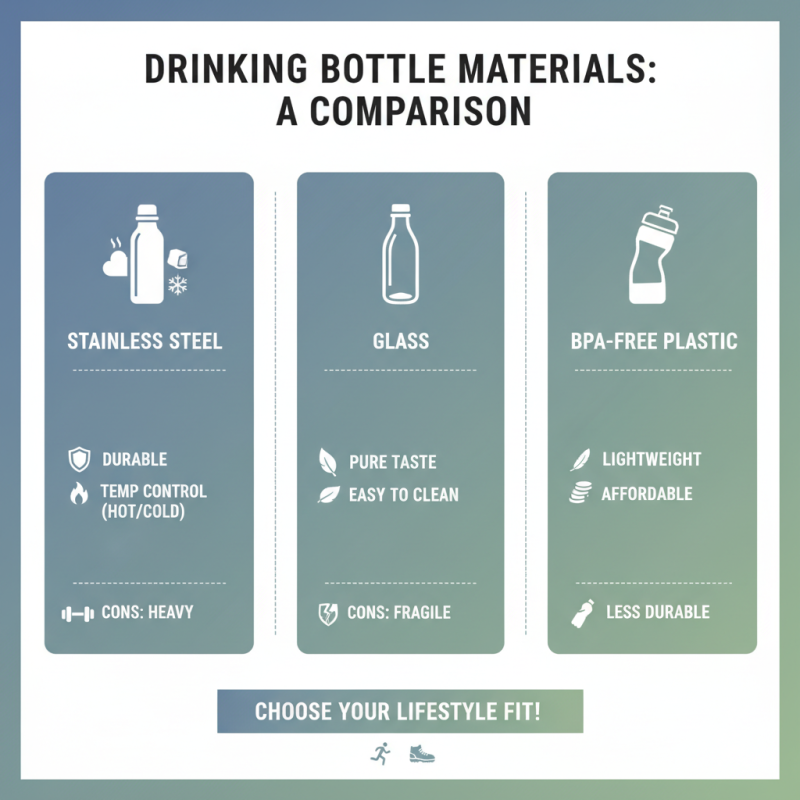
When choosing a drinking bottle, material plays a crucial role. Stainless steel bottles are durable and excellent for temperature control. They keep drinks hot or cold for hours. However, they can be heavy and may not suit everyone. Consider your lifestyle when weighing this option.
Glass bottles are great for eco-conscious individuals. They don’t leach chemicals like plastic does. Yet, they can break easily and are not ideal for all settings. If you value taste, glass will enhance it, but handle with care.
BPA-free plastic bottles are lightweight and often more affordable. They come in various designs and colors. However, some people worry about plastic's long-term safety. Over time, even BPA-free plastics may degrade. Always assess your daily routine and preferences before making a choice.
Assessing Size and Capacity: How Much Water Do You Really Need?
When choosing a drinking bottle, size and capacity are critical. Think about how much water you need daily. Many people aim for about two liters. However, this varies by activity level, age, and environment.
A lightweight bottle may be ideal for casual outings, while a larger capacity fits longer hikes or workouts. During intense activities, you might require more hydration. Choose a size that encourages regular sipping. A smaller bottle may serve as a reminder to refill often. Too large a bottle can feel cumbersome and discouraging.
It's essential to experiment with different sizes. You may find that you overestimate your needs. Carrying water shouldn't be burdensome. Reflect on your daily routines and activities. Your ideal bottle may evolve as your lifestyle changes. Make an informed choice that enhances your hydration habits.
Exploring Features: Insulation, Spouts, and Ease of Cleaning
Choosing a drinking bottle involves careful consideration of its features. Insulation is crucial for those who enjoy hot or cold beverages. A well-insulated bottle can keep drinks hot for hours or refreshingly cold for an entire day. Look for double-walled vacuum designs that can offer these benefits. However, some insulated bottles may be heavy or bulky, making them less convenient for daily use. Reflect on your lifestyle and how often you carry your bottle with you.
The spout type also plays a significant role in your drinking experience. Wide-mouth openings are great for adding ice or cleaning, while narrow spouts can make sipping easier. Some bottles offer flip-top lids, minimizing spills when you’re on the move. On the downside, flip-top lids may not be as secure and could lead to leaks. Think about which spout style fits your routine best and consider the practicality of each option.
Ease of cleaning is often overlooked but is essential. Look for bottles with removable parts or wide openings for easy access. Certain designs trap bacteria if not properly cleaned. Some materials can retain odors or stains over time. Assess your willingness to maintain the bottle. Is quick cleaning more important than staying eco-friendly? You might find that striking a balance between features and usability requires reflection and adjustments to your choices.
How to Choose the Best Drinking Bottle for Your Needs?
| Feature |
Description |
Pros |
Cons |
| Insulation |
Keeps drinks hot or cold for extended periods. |
Ideal for temperature-sensitive beverages. |
Can be heavier and more expensive. |
| Spout Type |
Varies from standard screw tops to flip tops and straws. |
Easier drinking mechanism, spill-proof options available. |
Some may clog or leak. |
| Material |
Common materials include stainless steel, plastic, and glass. |
Durability and taste safety vary by material. |
Plastic may retain odors; glass can break. |
| Capacity |
Available in various sizes from small (10 oz) to large (64 oz). |
More hydration options for different activities. |
Larger bottles can be cumbersome to carry. |
| Ease of Cleaning |
Some bottles are dishwasher safe while others are hand wash only. |
Convenience with few cleaning accessories needed. |
Complex designs may harbor bacteria. |

 +86-13586927333
 CONTACT NUMBER
 CONTACT NUMBER