How to Choose the Best Insulated Water Bottle for Your Needs?
Choosing the right insulated water bottle can significantly impact your hydration experience. According to a report from the U.S. Environmental Protection Agency, over 60% of Americans do not consume enough water daily. This highlights the importance of having a reliable way to keep water cool and refreshing. Insulated water bottles play a vital role in encouraging better hydration habits.
When selecting an insulated water bottle, several factors come into play. Material choices, such as stainless steel or BPA-free plastic, can influence both durability and insulation performance. A 2021 market analysis indicated that the global insulated bottle market is expected to reach $10.5 billion by 2026, underscoring consumer demand for quality products. However, not all brands deliver the same level of performance, and this inconsistency might lead to unnecessary frustration.
Some users may find aesthetic appeal or brand reputation more important than functionality. Yet, prioritizing insulation effectiveness and ease of cleaning can yield better drinking experiences. This makes it crucial to conduct thorough research before purchasing. Reflecting on individual needs can lead to informed decisions that enhance everyday hydration practices.
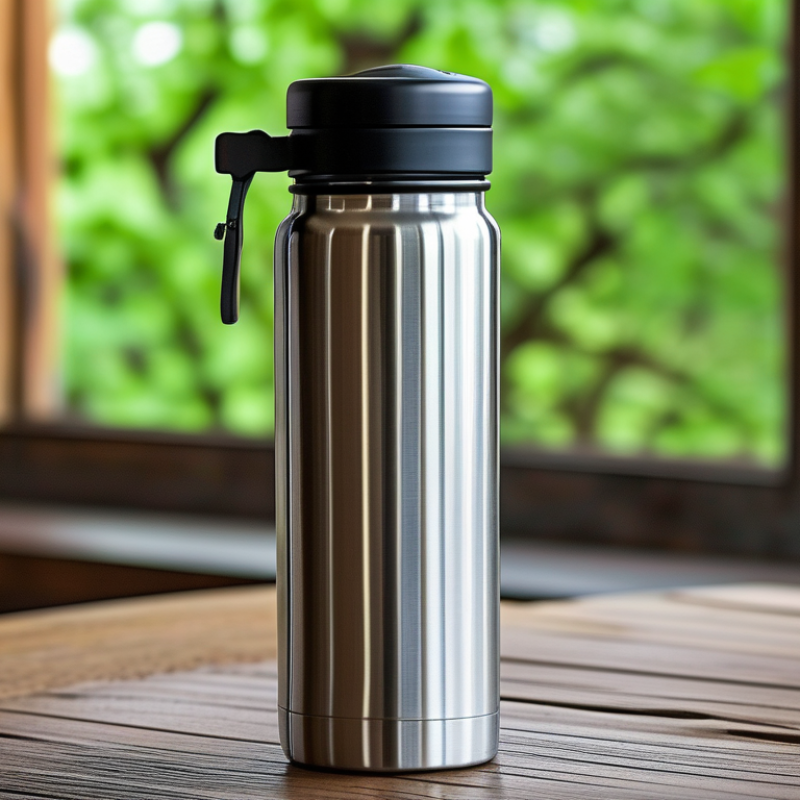
Factors to Consider When Choosing an Insulated Water Bottle
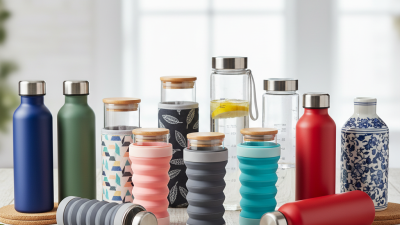
Choosing the right insulated water bottle can significantly enhance your hydration experience. There are several factors to consider. First, think about the material. Stainless steel is durable and resistant to rust. Plastic bottles are lighter but may retain flavors. Glass is eco-friendly but can break easily. Your needs dictate your choice.
Capacity is another essential element. If you plan long hikes, larger sizes are practical. However, smaller bottles are more portable for everyday use. Remember, the bottle's weight matters too. A heavy bottle can be cumbersome to carry.
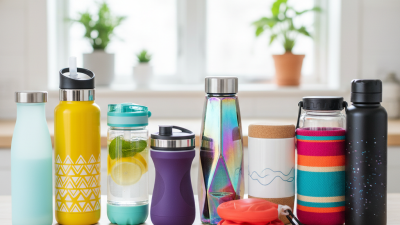
Tips: Check the lid design. Some lids have straws or are wide-mouth, which can be convenient. Also, consider insulation performance. Look for double-wall vacuum insulation for optimal temperature retention. Don't forget about your personal style. A bottle you love will encourage you to drink more water. Reflect on your daily activities, and choose a bottle that fits seamlessly into your lifestyle.
Types of Insulated Water Bottles and Their Features
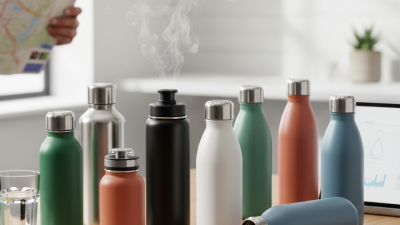
When choosing the right insulated water bottle, understanding the various types available is essential. There are primarily two categories: vacuum-insulated and foam-insulated bottles. Vacuum-insulated bottles often use stainless steel and can maintain your drink's temperature for hours. According to a 2022 report by the National Association of Bottle Manufacturers, these bottles can keep beverages hot for up to 12 hours, while cold drinks stay cool for over 24 hours.
Foam-insulated bottles tend to be lighter but are usually less effective in temperature retention. They often use a combination of materials to achieve a balance between insulation and weight. A study from the Institute of Food Technologists highlighted that these bottles are popular among outdoor enthusiasts for their portability. However, they may struggle to keep drinks at a stable temperature over extended periods.
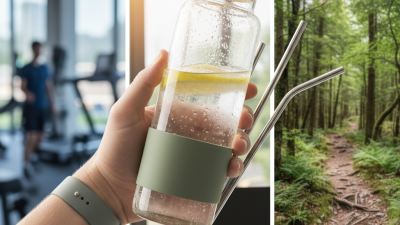
Considering specific features is equally crucial. Look for bottles with wide mouths for easy filling and cleaning. Some designs incorporate built-in straws or flip-top lids for convenience during travel. These user-friendly features cater to a dynamically active lifestyle but can sometimes lead to leaks if not designed carefully. Reflecting on your unique needs truly helps in selecting the most suitable option.
Material Comparison: Stainless Steel vs. Plastic vs. Glass
When selecting an insulated water bottle, material plays a crucial role. Stainless steel bottles are known for their durability and superior insulation properties. They can keep drinks hot or cold for extended periods. However, they may add extra weight to your backpack. Stainless steel is also resistant to rust and corrosion, making it a reliable choice.
Plastic bottles are lightweight and often less expensive. They come in various colors and designs, making them appealing. Unfortunately, they may not keep drinks cold or hot for as long as stainless steel options. Additionally, some plastic bottles can retain flavors or odors over time. It's worth considering if you frequently switch between beverages.
Glass bottles offer a clean taste and are free of harmful chemicals. They are often encased in silicone sleeves for added protection. However, glass can break easily, making it less suitable for outdoor use. Weighing the pros and cons of each material is essential in making an informed choice. Your lifestyle and specific needs should guide your decision.
Comparison of Insulated Water Bottle Materials
Size and Capacity: Finding the Right Fit for Your Lifestyle
Choosing the right size and capacity of an insulated water bottle is essential for lifestyle compatibility. Studies indicate that the average adult requires about 3 liters of water daily. For fitness enthusiasts, larger bottles, around 32 ounces, can be practical. They accommodate hydration needs during workouts. However, a bottle that is too large can be cumbersome, making it less likely for users to carry it consistently.
On the other end, smaller bottles, generally 16 to 20 ounces, offer portability. They fit easily in bags or car cup holders. While they encourage regular refills, they may not be sufficient for long outdoor activities. It's crucial to consider how often you refill versus the inconvenience of carrying a larger bottle. Many users overlook the potential discomfort of a heavy bottle during hikes or commutes.
Capacity isn't just about volume; it's about ensuring the bottle aligns with daily routines. A mismatched size can lead to frustration. Users might find themselves over or under-hydrated, which can affect performance and well-being. Choosing wisely can create a seamless hydration experience, aiding overall health and convenience.
Design and Insulation Performance: What to Look For
When choosing an insulated water bottle, design and insulation performance matter greatly. Look for bottles made from high-quality materials. Stainless steel is a popular choice due to its durability and resistance to rust. Plastic is lightweight but may not provide the same insulation performance.
Consider the lid design as well. A leak-proof lid is essential for on-the-go individuals. Some bottles feature wide mouths for easy filling or cleaning, while others have straws for quick sips. These elements contribute to your overall experience. Remember that aesthetics play a role, too; a bottle you find visually appealing is more likely to be used daily.
Insulation performance should not be overlooked. Double-wall vacuum insulation is often the best choice. It keeps beverages hot or cold for extended periods. However, not all bottles achieve the same level of performance. Some may lose temperature within a few hours. Pay attention to user reviews that share experiences. These insights can help you avoid unexpected disappointments. Every choice comes with trade-offs, and it's essential to weigh them carefully, ensuring the bottle fits your lifestyle.

 +86-13586927333
 CONTACT NUMBER
 CONTACT NUMBER