How to Choose Double Wall Cups for Global Sourcing?
Global buyers are rethinking how disposable beverage packaging performs across borders. Double Wall Cups must protect hands, preserve drink temperature, and survive long supply chains. They also need consistent printing, reliable dimensions, and responsible material choices. A cup that looks excellent in a sample may deform after weeks in humid storage. That difference matters.
Industry data supports this careful approach. Smithers’ report, The Future of Paper Packaging to 2028, identifies sustainability, fiber efficiency, and packaging performance as continuing priorities for global brands. Grand View Research also reports steady growth in the worldwide paper cups market, driven by takeaway drinks, foodservice expansion, and changing consumer habits. These trends create opportunities, but they increase sourcing pressure. Buyers must compare more than unit prices.
Details matter.
A useful evaluation should examine paperboard grammage, insulation performance, rim strength, adhesive quality, printing tolerances, and packing methods. Suppliers should provide food-contact documentation, migration testing, factory quality procedures, and traceable material information. FSC certification may support responsible forestry claims, but it does not replace a complete compliance review. Requirements can differ between the European Union, North America, and other markets.
Practical experience suggests requesting production samples, not only digital artwork. Test filled cups during stacking, transport, and refrigerated storage. Record leakage, surface temperature, odor, and sleeve stability. This process is not perfect. Laboratory results may not reflect every warehouse or delivery route. Still, a structured comparison reduces avoidable risk. The right Double Wall Cups balance protection, appearance, sustainability, and dependable global supply.
What Are Double Wall Cups and Why Are They Used?
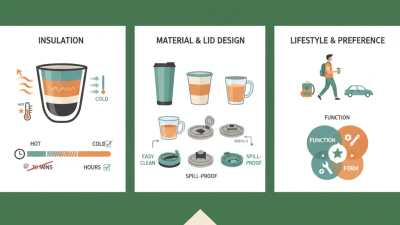
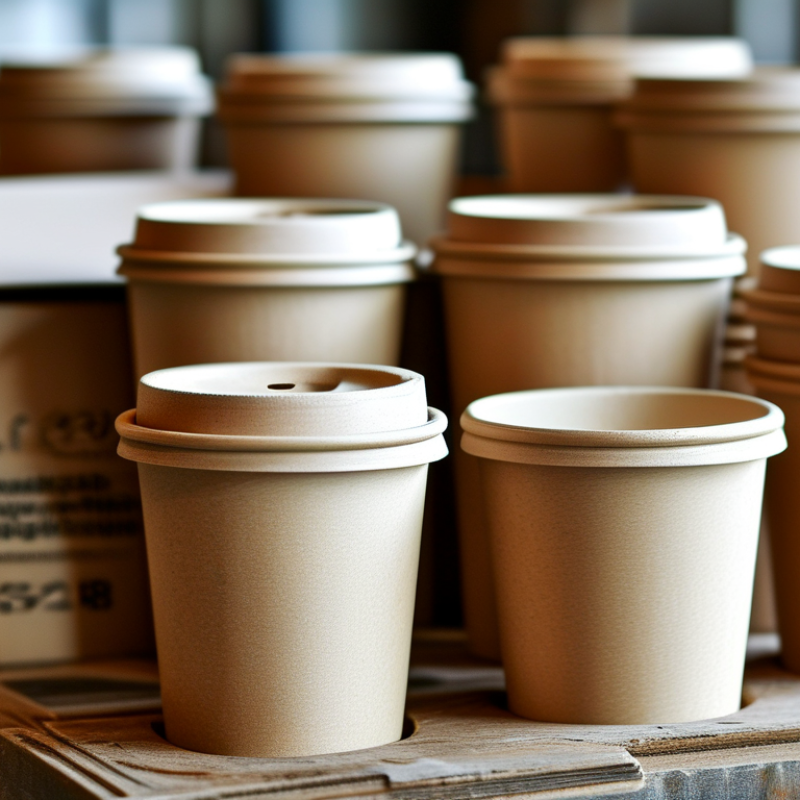
Double wall cups have two separate walls with a small air space between them. This structure creates a buffer around the drink. Heat moves more slowly through the cup, so hot coffee stays warmer in the hand. Cold drinks also feel less harsh against the fingers. The outer wall often remains dry, even when ice creates condensation inside.
They are used in cafés, offices, events, and takeaway service. The extra layer can remove the need for a separate sleeve. That reduces handling during busy service. A well-made cup should feel firm without becoming unnecessarily heavy. Press the side gently. It should resist collapse around a full drink. The rim also needs a consistent shape for comfortable sipping and secure lid fitting.
For global sourcing, buyers should check wall thickness, leakage resistance, stacking stability, and temperature performance. Test cups with hot water, chilled drinks, and short transport cycles. A cup may perform well in a showroom but fail after compression in a carton. Material choice matters too. Paper-based cups may support different recycling systems than plastic-based versions. Local facilities and regulations should be verified instead of assumed. Double walls improve comfort, but they do not solve every packaging problem. Sometimes, the added material is more than the user actually needs.
How to Evaluate Insulation, Safety, and Product Quality
When sourcing double wall cups, insulation should be measured, not guessed. Request test results showing liquid temperature at set intervals, such as 30, 60, and 120 minutes. The cup should feel comfortable outside, even when filled with hot tea. Check the air gap, wall thickness, and rim construction. A narrow gap may reduce performance, while a sharp rim can affect daily use. Ask whether the factory tests full cups or only empty samples. That difference matters.
I usually inspect pre-production samples under normal conditions. I fill them with hot water, hold the outer wall, and examine condensation after cooling. Then I test lids, seals, and seams for leakage during carrying and gentle drops. Food-contact safety requires more than a general certificate. Request material declarations, migration testing, and reports linked to the exact cup material and color. Requirements vary by destination, so the importer should confirm current rules with a qualified compliance professional. Paperwork alone is not proof.
Product quality appears in small details: even printing, clean edges, stable stacking, and consistent weight. Compare samples from different production lots, because one approved sample can hide process variation. Ask for inspection records and a clear sampling plan before shipment. I have seen attractive samples fail after repeated cleaning cycles or lid removal. That was frustrating. A lower price may reflect thinner material, weaker seals, or rushed inspection. I still question my own assumptions; factory photographs cannot replace independent checks.
How to Compare Suppliers, Costs, and Minimum Order Quantities
When sourcing double wall cups, compare suppliers on the same specification sheet. Record cup volume, rim diameter, paperboard weight, wall construction, printing colors, lid fit, and packing method. Small changes can alter both protection and cost. Smithers’ 2024 paper packaging outlook projects continued global growth in paper-based packaging demand through 2029. That growth improves capacity, but it does not guarantee stable prices.
Ask each supplier for three quantity levels, such as 10,000, 50,000, and 100,000 cups. Request unit price, tooling, sampling, inspection, inland delivery, freight, and import charges separately. A low factory price may hide expensive freight or weak carton protection. Compare landed cost per usable cup, not only the quoted unit price. Freight rates can shift quickly, according to the Drewry World Container Index, so confirm the quotation’s validity period.
MOQ needs practical testing. A supplier may accept 10,000 cups, but custom printing can require a higher production run. Ask about leftover stock, color matching, remake policy, and lead time. Request samples from the actual production line. Check whether the cup feels rigid after filling with hot liquid for ten minutes. I have seen attractive samples fail during stacking. That risk deserves a cost. The 2024 PMMI packaging industry reports also emphasize automation, material efficiency, and supply-chain resilience, which makes factory capacity and quality records important comparison points. My own caution: suppliers rarely present costs in identical formats, so your spreadsheet may still contain imperfect assumptions. Recheck them before placing a deposit.
What Should You Check Before Placing a Global Order?
How to Choose Double Wall Cups for Global Sourcing?
Before placing a global order, check the cup’s real performance, not only its appearance. A double wall should protect hands from heat and resist condensation during transport. Request samples with the intended lid, beverage temperature, and filling level. Test leakage after 30 minutes. Check rim strength, sidewall compression, and lid fit. Small defects become expensive across thousands of cartons. The FAO Forest Products Yearbook reported global paper and paperboard production of about 417 million tonnes in 2022. That scale does not guarantee responsible material selection. Ask for fiber origin, food-contact documentation, and current test reports.
Packaging details also affect landed cost. The UNCTAD Review of Maritime Transport states that shipping carries over 80% of global merchandise trade by volume. Measure carton dimensions carefully. A slightly taller carton may reduce pallet efficiency and increase freight charges. Confirm cup counts, carton weights, stacking limits, and moisture protection. Use an agreed inspection standard, such as ISO 2859-1, before shipment. Require records for burst strength, coating performance, and odor testing. Do not trust one successful sample. It may be unusually good. I would also test production samples from different lots, because paper thickness and forming pressure can vary. A supplier’s promise is useful, but documented evidence is safer.
How to Choose Double Wall Cups for Global Sourcing?
What should you check before placing a global order? Use this practical pre-order checklist to compare suppliers, samples, and shipping requirements before approving production.
Prioritize food-contact compliance, leak resistance, insulation performance, dimensional accuracy, and packaging protection. Confirm the required tests, tolerances, and destination-market regulations with the supplier before issuing a purchase order.

 +86-13586927333
 CONTACT NUMBER
 CONTACT NUMBER