10 Essential Tips to Choose the Best Thermos Pot for Your Needs
Choosing the right Thermos Pot can significantly impact your daily routines. Recent market research indicates that the global thermos pot industry is projected to grow by over 5% annually, highlighting its importance in modern households. Expert Tom Richards, a well-known figure in kitchen appliance innovations, once stated, “The right Thermos Pot does more than keep liquids warm; it enhances your entire experience.”
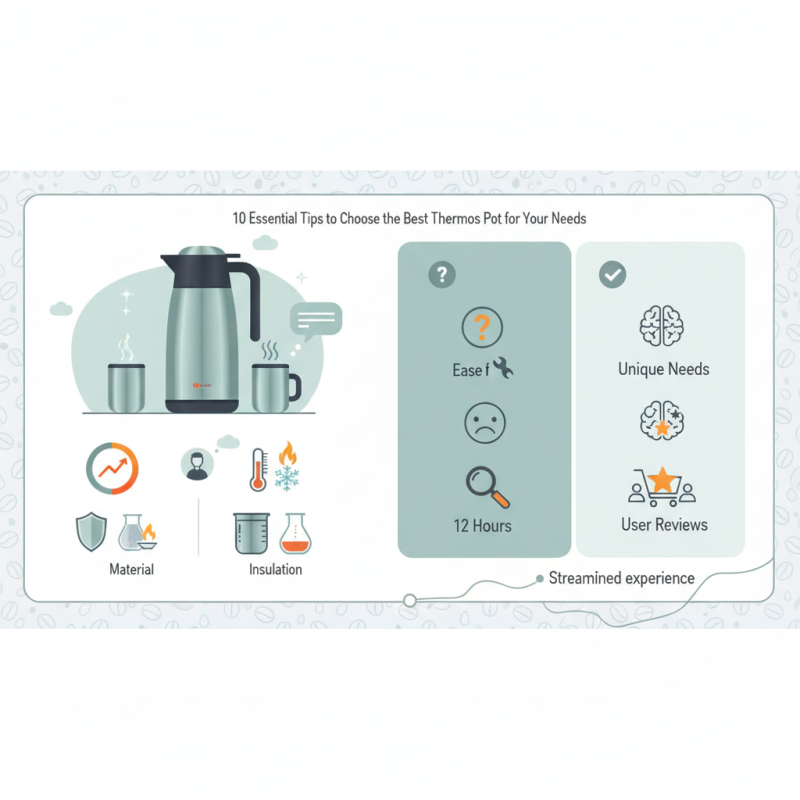
When selecting a Thermos Pot, consider material and insulation. Stainless steel options are rugged yet lightweight, while glass offers purity but may be fragile. Metrics suggest that a well-insulated thermos can keep liquids hot for up to 12 hours. However, not all thermos pots deliver on this promise.
Some users report dissatisfaction with temperature retention and ease of use. This discrepancy reminds us that not all products meet expectations. Thus, it's essential to research and identify your unique needs. Look for user reviews and ratings before making a final decision. The perfect Thermos Pot is out there, ready to streamline your beverage experience.
Understanding Thermos Pot Materials: Stainless Steel vs. Glass
When choosing a thermos pot, understanding the materials can make a significant difference. Two popular options are stainless steel and glass.
Stainless steel thermos pots are durable, lightweight, and resistant to breakage. They are ideal for outdoor activities or households with children. However, their interior can sometimes retain odors from previous beverages. It's essential to clean regularly to avoid this issue.
On the other hand, glass thermos pots maintain the purity of flavors. They are great for tea and coffee lovers who want an untainted taste. However, they are heavier and can break easily if dropped. If you enjoy aesthetics, many glass options come with beautiful designs. Just be careful; a cracked pot is not a good choice.
When choosing your thermos, consider your lifestyle. Do you need something robust for travel? Go for stainless steel. If you want taste and finesse for home use, glass might be the better choice. Also, pay attention to insulation quality. Not all thermos pots keep drinks hot or cold for the same duration. Look for user reviews to find out how well a specific model performs.
Evaluating Insulation Technology: Vacuum Sealing and Thermal Retention
When selecting a thermos pot, insulation technology plays a pivotal role. Vacuum sealing is a common method that significantly improves thermal retention. This technology creates a space devoid of air between the inner and outer layers of the pot. This vacuum minimizes heat transfer, keeping beverages hot or cold for extended periods. It’s crucial to understand how well this feature works.
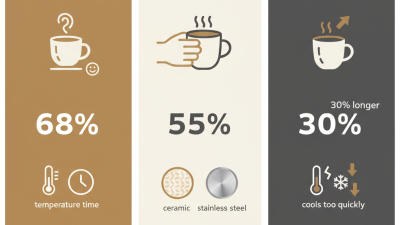
Some pots may claim to offer superior insulation, yet the real-world performance can differ. Factors such as material thickness and quality affect efficiency. Users should observe how long their coffee or tea stays warm. On occasion, it might not meet expectations, despite promises. Knowing these nuances can aid in making an informed choice.
Thermal retention also depends on pot design. A tight-fitting lid is essential. Gaps can lead to unwanted heat loss. Simple mistakes in handling, like not sealing properly, can impact performance. Think about everyday use scenarios. If you plan to carry the pot outdoors, consider exposure to different temperatures. How well does it hold up in those situations? Evaluating these elements is critical to ensure satisfaction.
10 Essential Tips to Choose the Best Thermos Pot for Your Needs - Evaluating Insulation Technology: Vacuum Sealing and Thermal Retention
| Feature |
Description |
Importance |
| Insulation Technology |
Vacuum insulation minimizes heat transfer, keeping liquids hot or cold for extended periods. |
High |
| Material Quality |
Durable materials like stainless steel ensure long-term use and resistance to rust. |
Medium |
| Size Options |
Various sizes cater to different needs, from personal to family use. |
High |
| Cap Design |
A good cap prevents leakage and spills, while also aiding in easy pouring. |
High |
| Ease of Cleaning |
Wider openings and dishwasher-safe components make cleaning easier. |
Medium |
| Weight |
Lightweight models are easier to carry, especially for travel or hikes. |
Medium |
| Price Range |
Consider your budget against features offered to find the best value. |
High |
| Color and Finish |
Aesthetic preferences can influence choice and should match personal style. |
Low |
| Safety Features |
BPA-free materials and heat-resistant technologies enhance user safety. |
High |
| Warranty |
A good warranty reflects product confidence and can provide peace of mind. |
Medium |
Capacity Considerations: Selecting the Right Size for Your Household
When choosing a thermos pot, capacity is key. Think about how many people will use it. A small household may need a pot that holds about 1 liter. However, larger families might require a capacity of 2 liters or more. Always consider your daily consumption of beverages.
Tip: Measure your typical use. If you brew coffee each morning, note how much you drink. The right size can prevent waste. A too-large pot can lead to unused beverages going cold.
Additionally, think ahead. If you expect guests, consider a larger capacity. A 3-liter pot could be ideal for gatherings or events. But remember, it might take more space in your kitchen. Sometimes it’s best to compromise on size for practicality.
Tip: Look for adjustable options. Some thermos pots come with features to manage capacity. This makes them versatile for different needs. Balance is crucial. Don't just focus on size; think about how often you'll use it. The wrong choice can lead to missed opportunities for enjoyment.
Design and Portability Features: Choosing for Comfort and Functionality
When choosing a thermos pot, design and portability play crucial roles. A well-designed thermos should fit comfortably in your hand. Is it easy to pour? The spout should allow for controlled pouring without spills, which can be frustrating. Look for a handle that feels sturdy yet comfortable to grip. Sometimes, these handles can feel awkward after prolonged use. Comfort is as important as functionality.
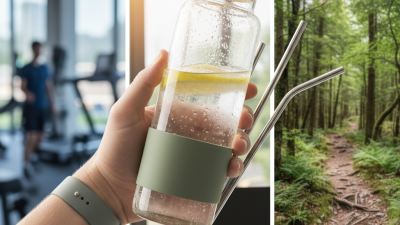
Portability is another key feature to consider. A lightweight thermos makes it easier to carry around, especially on trips or during picnics. However, many lightweight options sacrifice insulation quality. It’s a balancing act that might require some trial and error. Assess the size carefully; a large capacity may seem tempting but can become cumbersome. Often, the best choice lies in a medium-sized pot that balances volume with ease of transport.
Consider the material too. Stainless steel is durable but can feel heavy. Plastic variations are lighter but might not keep liquids hot. Reflect on your primary needs: frequent travel, home use, or special occasions. Finding the right fit might take time and multiple tries. Don’t be discouraged; even slight adjustments can lead to a more satisfying choice.
Thermos Pot Features Comparison
Budgeting for Quality: Price Ranges and Expectations in Thermos Pots
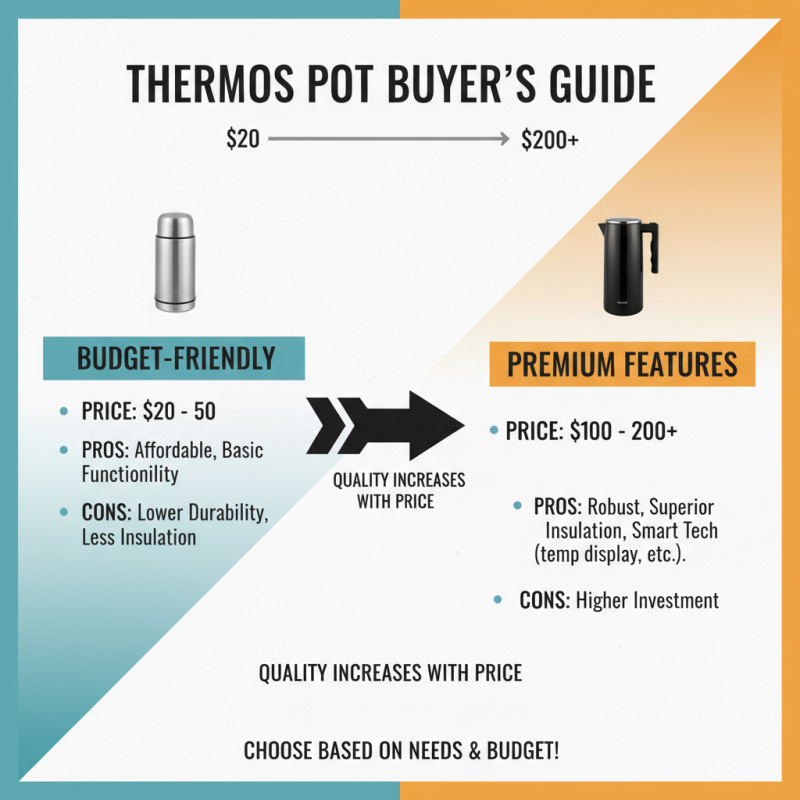
When selecting a thermos pot, understanding the price range is crucial. Industry reports indicate that thermos pots can vary from $20 to over $200. You need to assess your budget and desired quality. Lower-priced options may lack durability and insulation efficiency. Higher-end pots often possess advanced features, justifying their cost.
Consider the material of the pot. Stainless steel typically offers better thermal retention and longevity compared to plastic. This choice directly impacts your budget. Look for pots that provide a good warranty, as this can signal quality.
Think about the capacity you need. Smaller pots are affordable but may not serve larger gatherings. A 3-liter thermos pot might cost around $40, while a 5-liter version can exceed $100. Ensure you find a balance between price and functionality.
Lastly, read user reviews and feedback. They can highlight common problems that may not be obvious initially. Investing time in research can save you money and disappointment. A lower-priced pot might seem appealing, but it may not stand the test of time.

 +86-13586927333
 CONTACT NUMBER
 CONTACT NUMBER