Top Reusable Water Bottles for Sustainable Living and Hydration Choices?
In recent years, the emphasis on sustainable living has grown significantly. A key aspect of this movement is the use of Reusable Water Bottles. These bottles not only reduce plastic waste but also encourage healthier hydration habits. By making a simple switch from single-use plastics, individuals contribute to environmental preservation.
However, finding the best reusable options can be overwhelming. Many products lack sufficient insulation or durability. It’s crucial to select high-quality bottles that fit personal needs, such as portability and design. Some bottles may leak or retain odors, leading to frustrations. A thoughtful approach towards reusable water bottles can make a positive impact on both hydration and sustainability.
While the market offers a diverse range of choices, consumers must be aware of marketing claims. Not all reusable water bottles are truly environmentally friendly or made from safe materials. Researching brands and understanding certifications can help make informed decisions. Ultimately, using reusable water bottles is a significant step towards a more sustainable lifestyle.
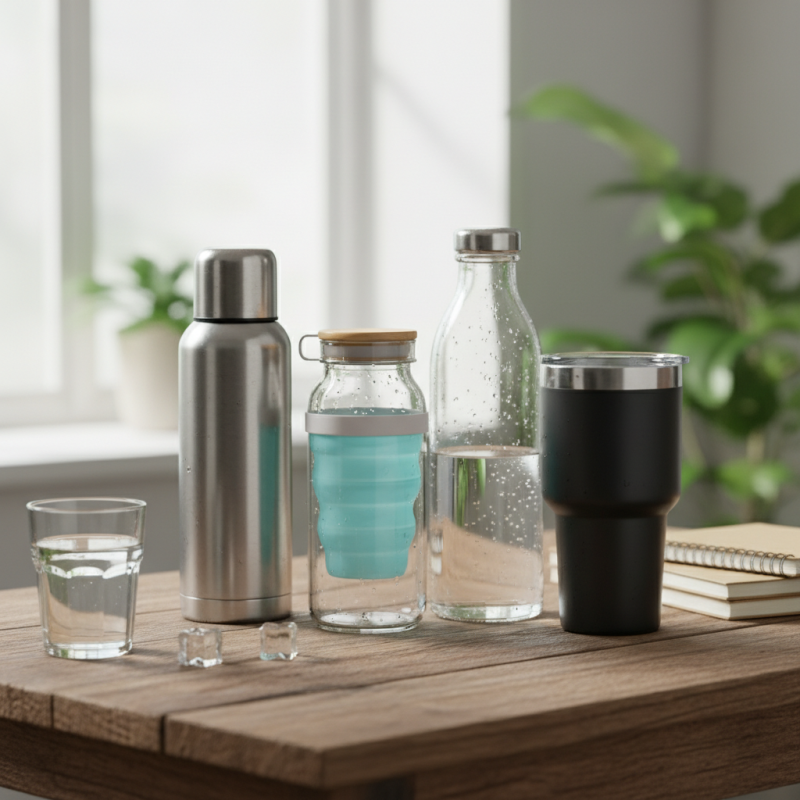
Introduction to Reusable Water Bottles and Their Importance
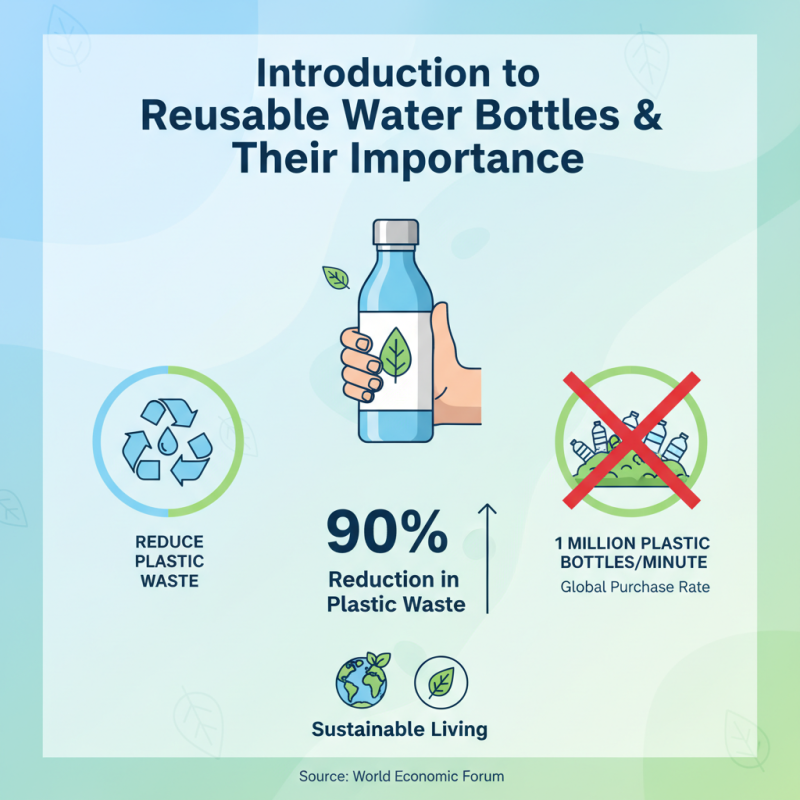
Reusable water bottles play a crucial role in sustainable living. They significantly reduce plastic waste, a pressing environmental issue. According to a recent report by the World Economic Forum, nearly 1 million plastic bottles are purchased globally every minute. This staggering number highlights the need for alternatives.
Opting for reusable bottles can help shift this trend. They not only minimize plastic pollution but also save money in the long run. The average person can save approximately $200 a year by using a reusable bottle. This means more funds can be allocated to other sustainable choices, like organic produce or eco-friendly products.
**Tips:** Choose bottles made from stainless steel or glass. These materials are safer and more durable. Remember to clean your bottle regularly. Neglecting this can lead to bacteria build-up. Hydration is vital, but so is maintaining your bottle properly. A little habit change can make a big difference in our planet's health.
Benefits of Using Reusable Water Bottles for Sustainable Living
Using reusable water bottles is a practical choice for sustainable living. According to the Container Recycling Institute, Americans used roughly 50 billion plastic water bottles in 2020. That’s about 167 plastic bottles per person each year. Many of these end up in landfills or oceans, harming wildlife.
Switching to reusable options significantly reduces plastic waste. A study indicated that using a reusable bottle could prevent around 167 plastic bottles from being used annually per person. This reflects a positive impact on the environment. Additionally, reusable bottles often feature materials like stainless steel or BPA-free plastic, which are safer for personal health.
Hydration choices impact sustainability. Many people overlook the life cycle of single-use plastics. It’s important to note that not all reusable bottles are created equal. Some may still contribute to environmental issues if not properly managed. Awareness is key. Make informed choices. Every small action contributes, but reflection on our habits is necessary for true change.
Benefits of Using Reusable Water Bottles for Sustainable Living
Top Features to Consider When Choosing a Reusable Water Bottle
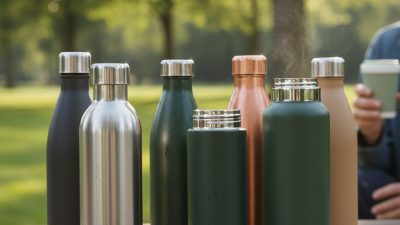
When selecting a reusable water bottle, several features are vital for practical and sustainable choices. The material is key. Stainless steel, glass, and BPA-free plastic are popular options. According to a recent study, stainless steel bottles keep beverages cold for 24 hours, while glass offers a clean taste and is 100% recyclable. Each option has its pros and cons.
Size matters as well. A bottle that holds 16-32 ounces is generally sufficient for daily hydration. However, if you plan outdoor activities, larger bottles or collapsible designs are worth considering. One report indicates that over 75% of users prefer bottles that fit in standard cup holders. This emphasizes the importance of portability.
Another consideration is the ease of cleaning. Some designs are dishwasher-safe, while others require hand washing. A study revealed that 30% of reusable bottles harbor bacteria if not cleaned regularly. That's a reminder to maintain hygiene. The lid type also affects user experience; a flip-top or wide mouth can make refilling easier. Remember, a bottle that matches your lifestyle will encourage consistent hydration. Make thoughtful choices for both your health and the environment.
Top Reusable Water Bottles for Sustainable Living and Hydration Choices
| Material |
Capacity (ml) |
Insulation |
Weight (g) |
BPA-Free |
Price ($) |
| Stainless Steel |
500 |
Yes |
300 |
Yes |
25 |
| Glass |
700 |
No |
400 |
Yes |
15 |
| Plastic (Tritan) |
600 |
No |
200 |
Yes |
10 |
| Aluminum |
500 |
Yes |
250 |
Yes |
20 |
| Silicone |
350 |
No |
150 |
Yes |
12 |
Review of Popular Reusable Water Bottle Brands and Models
When choosing a reusable water bottle, many factors come into play. Look for materials that are safe and durable.
Stainless steel, for instance, is a popular choice. It keeps drinks cold or hot for hours.
Glass is another option; it is easy to clean and doesn’t retain flavors. However, glass can be heavy and fragile.
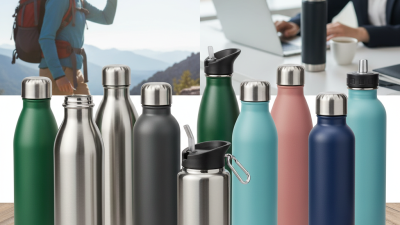
Design matters, too. Some bottles are designed with eco-friendly features. They may include removable straws or wide mouths for easy filling.
Color and aesthetics can influence your choice as well. A vibrant bottle can make hydration feel more fun. Yet, some may prioritize functionality over style.
While researching options, consider how often you’ll use the bottle. Daily use will require sturdiness. Look for brands with good reviews but also listen to criticism.
Some bottles may leak or be hard to clean. Reflecting on these details will help you find the right one. Your perfect bottle should fit your lifestyle and values.
Tips for Maintaining and Cleaning Your Reusable Water Bottle
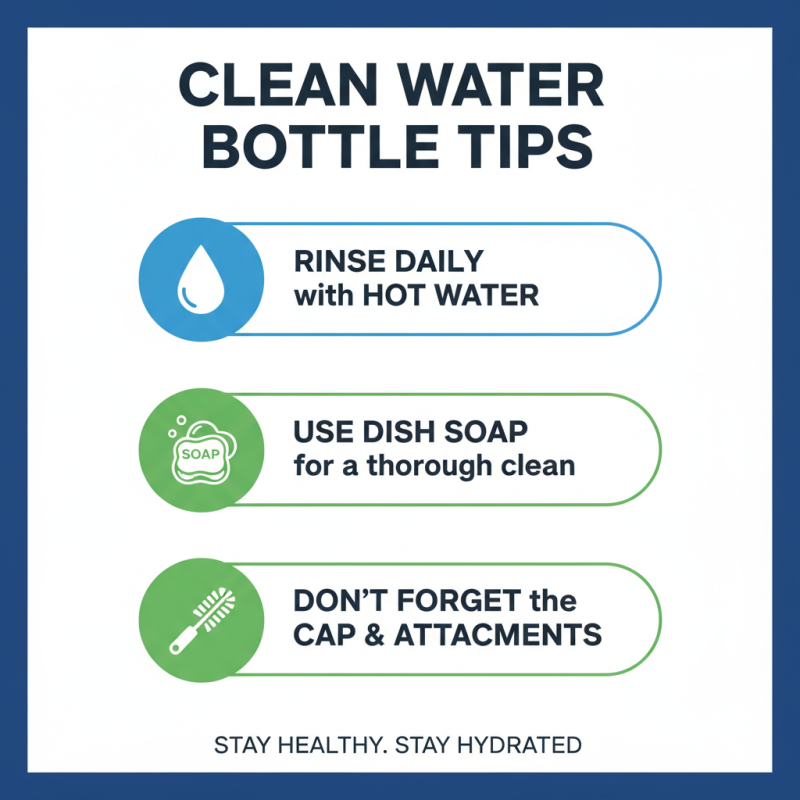
Keeping your reusable water bottle clean is essential for your health. Bacteria can thrive in warm, damp environments. After each use, rinse it out with hot water. A little dish soap can do wonders. Make sure to clean the cap and any attachments too.
Sometimes, a bottle may develop stubborn stains or odors. For deep cleaning, try a mixture of baking soda and vinegar. Let it sit for a bit. Scrub with a bottle brush to reach the corners. Rinse thoroughly to avoid any lingering tastes.
Storing your bottle in a cool, dry place is crucial. Avoid areas exposed to sunlight for long periods. If you notice a funky smell, it might be time for a thorough wash. Make cleaning a habit, and you’ll keep your hydration eco-friendly and safe.

 +86-13586927333
 CONTACT NUMBER
 CONTACT NUMBER