Top Gift Cups in China for Global Buyers to Discover?
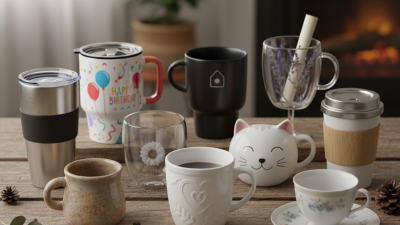
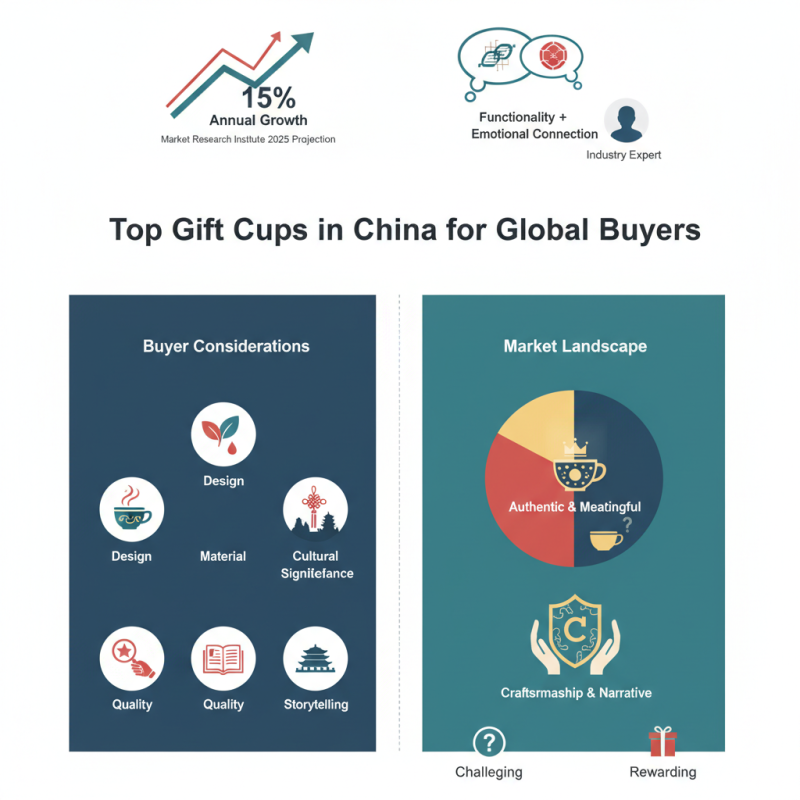
The gift cup market in China is rapidly evolving. As global buyers explore unique gifting options, gift cups stand out for their versatility and appeal. According to a recent report by the Market Research Institute, the gift cup industry in China is projected to grow by 15% annually through 2025. This growth reflects a shift toward personalized and meaningful gifts that resonate with consumers.
Industry expert Dr. Li Chen highlights, “Gift cups combine functionality with emotional connection, making them perfect for any occasion.” This insight underscores the importance of selecting the right gift cup. Buyers must consider design, material, and cultural significance. Chinese consumers prioritize quality and storytelling behind each item.
However, not every gift cup meets these standards. Some products lack authenticity or fail to connect with buyers emotionally. This creates a mixed bag in the market, where only a fraction truly stands out. Global buyers should be discerning, focusing on brands that prioritize craftsmanship and narrative. In a world of options, finding the right gift cup can be both challenging and rewarding.
Overview of Gift Cups: Trends and Popularity in China
Gift cups in China have become a notable trend among global buyers. Recent reports suggest that the market for gift items, including decorative cups, has seen an impressive growth rate of 15% over the past three years. This increase reflects a rising interest in custom and themed gift solutions, catering to evolving consumer preferences.
Consumers often seek unique designs and high-quality materials. In 2021, nearly 70% of buyers preferred eco-friendly options when choosing gift cups. Trends show a shift toward personalization. Items with names or distinctive art attract more attention and resonate better with recipients. However, buyers should consider the balance between aesthetic appeal and practicality. Many designs may look stunning but lack durability.
Despite the potential for high sales, brands must remain vigilant. Over-saturation in the market could lead to diminishing returns. Additionally, not all suppliers provide the same caliber of quality assurance. Research indicates that 30% of customers reported dissatisfaction due to subpar manufacturing. This highlights the need for careful supplier selection and quality control, which can make or break consumer trust.
Top Gift Cups in China for Global Buyers to Discover
Materials Used in Chinese Gift Cups: A Detailed Analysis
Chinese gift cups have gained popularity for their unique designs and craftsmanship. The materials used in these cups are diverse, reflecting centuries of tradition and innovation. Common materials include porcelain, glass, and bamboo, each having its own distinct appeal.
Porcelain is the most iconic material, known for its durability and aesthetic quality. According to industry reports, the global market for ceramic products is projected to grow at a CAGR of 5.9% from 2023 to 2028. This suggests a rising trend in consumer demand for high-quality porcelain gift cups. Glass cups, on the other hand, offer a modern touch, often featuring intricate engravings or paintings. The glass industry also shows promising growth, driven by an increasing preference for stylish and versatile drinkware.
Bamboo gift cups are an eco-friendly alternative gaining traction, appealing to environmentally-conscious consumers. Bamboo is known for its sustainability and lightweight nature. A recent study indicated that bamboo products are expected to grow at a rate of 10% annually in the Asian market. However, some may question the durability of bamboo compared to traditional materials.
Tip: When selecting gift cups, consider the material's weight and usability. Engravings can enhance personalization but may also increase the cost. Always verify the source to ensure quality craftsmanship.
Top Manufacturers and Suppliers of Gift Cups in China
When exploring gift cups in China, buyers should focus not only on the product but also on the manufacturers and suppliers. The sheer variety of gift cups available can be overwhelming, yet it's crucial to identify reliable suppliers who offer consistent quality. Some manufacturers specialize in eco-friendly materials, while others offer custom designs. This diversity allows buyers to meet different market needs.
Researching potential suppliers is vital. Look for those with a proven track record of engagement in international trade. Reviews and testimonials from previous clients can provide insight into their reliability. Trade shows in China are great platforms to meet manufacturers directly, assess product quality, and forge strong partnerships.
Not all suppliers can maintain standards consistently. Some may deliver high-quality samples but fail in the mass production phase. It's essential to ask for production samples and verify their consistency. Transparent communication is key to ensuring that expectations are clear and met. Overall, diligence in supplier selection can lead to fruitful partnerships in the competitive gift cup market.
Top Gift Cups in China for Global Buyers to Discover
| Cup Type |
Material |
Customization Options |
Average Price (USD) |
Minimum Order Quantity |
| Ceramic Mug |
Ceramic |
Screen Printing, Engraving |
3.50 |
100 |
| Stainless Steel Tumbler |
Stainless Steel |
Laser Engraving, Color Options |
6.00 |
200 |
| Travel Mug |
Plastic |
Sublimation, Custom Colors |
4.00 |
150 |
| Glass Cup |
Glass |
Etching, Color Printing |
5.50 |
50 |
| Eco-Friendly Cup |
Bamboo Fiber |
Print Logo, Colors |
3.00 |
250 |
Cultural Significance of Gift Cups in Chinese Society
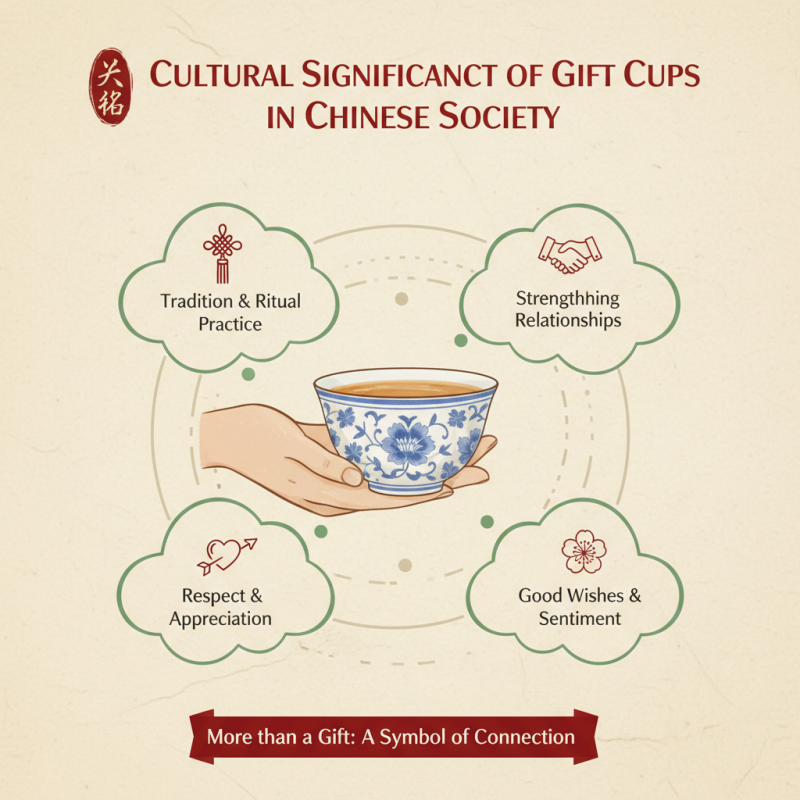
Gift cups hold a special place in Chinese society, embodying both tradition and personal connection. They are not mere items; they represent respect, good wishes, and appreciation. Offering a beautifully crafted cup during important occasions conveys heartfelt sentiments. Such gifts are more than tokens; they symbolize a ritual practice of strengthening relationships.
The cultural significance of gift cups is profound. Materials like porcelain and glass are favored for their elegance and durability. Intricate designs often include auspicious symbols. These represent harmony and prosperity. Each choice reflects the giver's thoughtfulness. However, the pressure to select the perfect cup can be daunting. There is often an expectation to balance aesthetics with the recipient's taste, creating a challenge.
In rural and urban settings alike, gift cups foster a sense of belonging. They remind recipients of important connections. Yet, even with all this significance, the ritual can sometimes feel perfunctory. Not every gift cup carries a deep meaning, and this can lead to disappointment. Recognition of this complexity is crucial in understanding the true essence of gift-giving in Chinese culture.
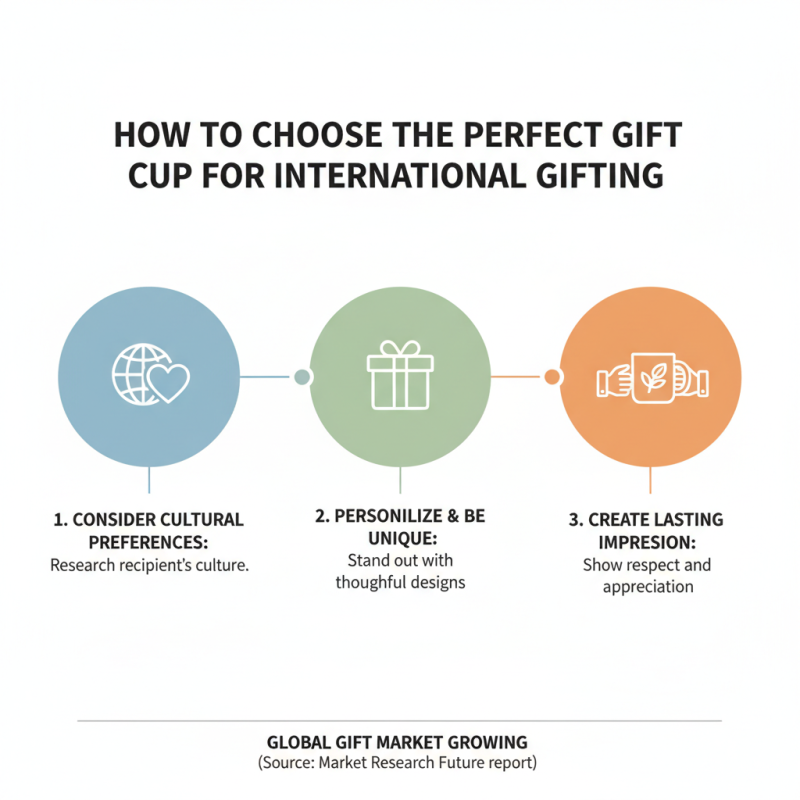
How to Choose the Perfect Gift Cup for International Gifting
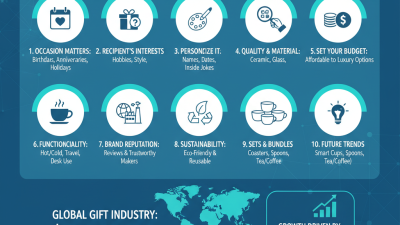
When selecting the perfect gift cup for international gifting, it's essential to consider cultural preferences. According to a report by Market Research Future, the global gift market is projected to grow significantly, driven by personalization and uniqueness. Offering a gift that reflects a recipient's culture can create a lasting impression.
Here are some tips to enhance your gift cup selection. Consider materials and designs that are popular in the recipient's culture. For example, ceramic cups may be appreciated in certain Asian cultures, while glass or stainless steel cups thrive in others. Size matters too; larger cups may be favored for tea drinkers, and smaller ones for espresso enthusiasts.
Pay attention to the details. Customization options like engravings or color choices can elevate the gift. However, do consider shipping restrictions and fragile materials. Incorporating locally-inspired elements can be meaningful. Yet, always verify those cultural significances. Each region has different interpretations. The wrong symbolism could lead to misunderstandings. For instance, certain colors may have negative associations in some cultures.

 +86-13586927333
 CONTACT NUMBER
 CONTACT NUMBER