2026 Top Water Flask Designs You Need to Know About?
In recent years, the global water flask market has seen significant growth. According to a report by Market Research Future, the market is projected to reach $3 billion by 2026. This surge is driven by increasing health awareness and environmental concerns. People prefer reusable water flasks to reduce plastic waste.
The demand for stylish and functional designs has also risen. Consumers now seek water flasks that reflect their personal style while serving practical purposes. Innovative materials and advanced insulation technologies have transformed water flasks into must-have accessories. Yet, not all designs meet consumer expectations.
As we explore the 2026 top water flask designs, it’s essential to examine what truly appeals to users. From sustainable materials to unique aesthetics, the options are vast. However, the market can be overwhelming. Finding the right balance between style and functionality is vital. Let's dive deep into what makes a water flask stand out in today's saturated market.
Trends in Sustainable Materials for Water Flask Designs in 2026
As we approach 2026, the focus on sustainable materials in water flask designs is more critical than ever. Recent studies indicate a significant increase in consumer demand for eco-friendly products. According to a report from the Global Sustainability Institute, about 75% of consumers now prefer products made from renewable materials. This shift is pushing manufacturers to explore innovative options.
Biodegradable plastics are gaining traction. They can decompose quickly, reducing landfill waste. Meanwhile, stainless steel remains popular due to its durability and recyclability. However, manufacturers face challenges. The production of sustainable materials can be costly. Some companies struggle to balance quality and affordability. It's a complex situation that requires ongoing evaluation.
Moreover, new materials like bamboo fiber are emerging. These offer unique design opportunities while promoting sustainability. Designers must also consider functionality. A stylish flask should not compromise usability. As materials evolve, consumer education is vital. Transparency about materials used is essential for building trust. This journey toward sustainable water flasks is evolving, but it still has hurdles to overcome.
Innovative Features Enhancing User Experience in Modern Water Flasks
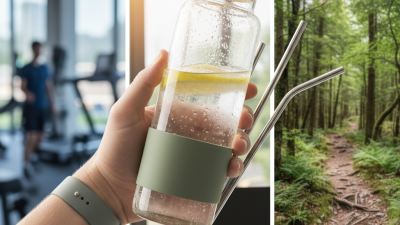
Modern water flasks are evolving. They now come with innovative features that significantly enhance user experience. One popular design includes integrated filters. These filters allow users to enjoy clean, fresh water with every sip. Imagine hiking in nature and being able to refill your flask from any stream, knowing it’s clean.
Another noteworthy feature is the self-cleaning function. Using UV-C light, some flasks can eliminate bacteria and odors. This technology not only ensures safety but also saves time. Users no longer need to scrub or worry about lingering smells. However, these advanced designs can sometimes be complex and require a learning curve. Not everyone may be comfortable using high-tech devices in the outdoors.
Additionally, temperature control remains a vital consideration. Some flasks can maintain hot or cold temperatures for hours. This allows for enjoyable refreshments, whatever the climate. Yet, these high-performance options can be bulkier and heavier. Balancing convenience and functionality can be a challenge for many users. Ultimately, the perfect water flask design might still be a personal journey.
2026 Top Water Flask Designs You Need to Know About
| Design Name |
Material |
Capacity |
Insulation |
Unique Features |
| Eco-Friendly Flask |
Recycled Materials |
500 ml |
Double-wall Insulation |
Biodegradable Cap |
| Smart Water Flask |
Stainless Steel |
750 ml |
Vacuum Insulation |
LED Hydration Reminder |
| Collapsible Flask |
Silicone |
1 L |
N/A |
Compact for Travel |
| Hydration Backpack |
Nylon |
2 L |
Insulated Bladder |
Hands-Free Drinking |
| Filter Water Bottle |
Tritan |
650 ml |
N/A |
Built-in Filter |
Market Analysis: Growth and Demand for Water Flasks in 2026
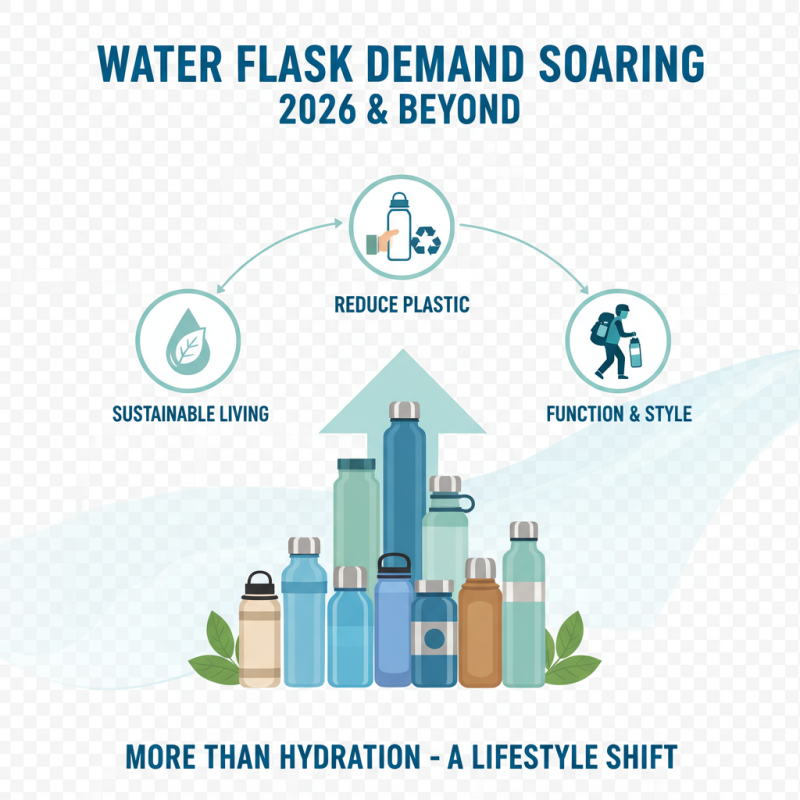
As we move toward 2026, the demand for water flasks is skyrocketing. These designs are becoming essential for sustainable living. People are increasingly aware of the environmental impact of single-use plastics. Reusable water bottles now serve both functionality and style. They are more than just a way to stay hydrated.
Functionality is key. Many consumers seek features like insulation and portability. Lightweight options cater to active lifestyles. Colorful designs appeal to various personal styles. There's a noticeable trend towards eco-friendly materials, reflecting a shift in consumer values. Yet, some designs still rely heavily on single-use components, raising questions about sustainability.
The market is also influenced by technological integration. Smart water flasks that track hydration levels are gaining popularity. While these innovations offer convenience, they can become overly complex. Not all consumers appreciate technology in their everyday items. Simplicity often reigns supreme. As the market evolves, brands need to focus on what truly matters: usability and accessibility.
Top Brands Redefining Water Flask Aesthetics and Functionality
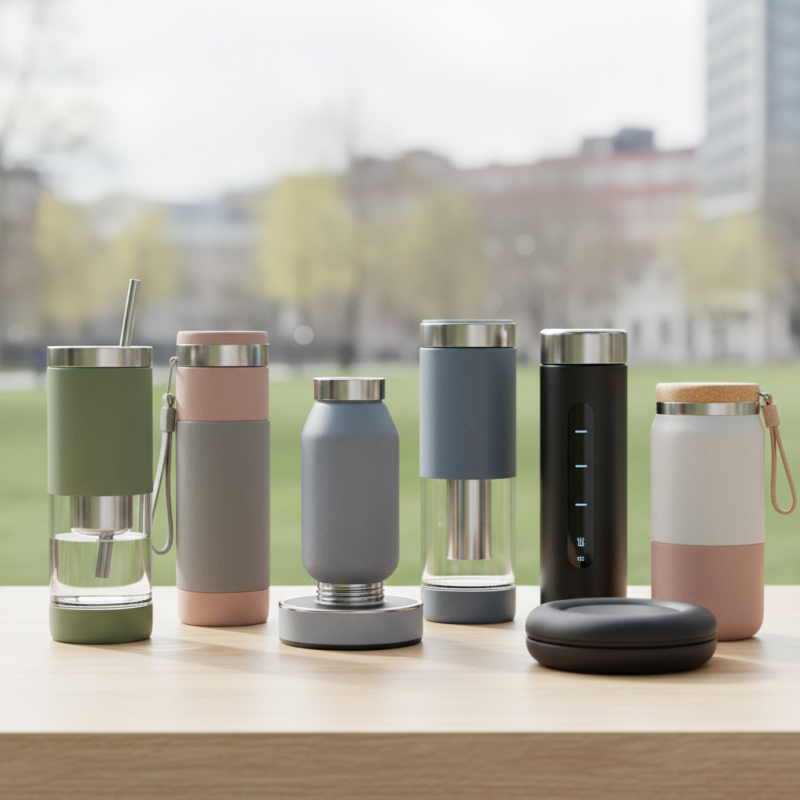
In 2026, water flasks are evolving beyond utility. They are becoming statements of personal style.
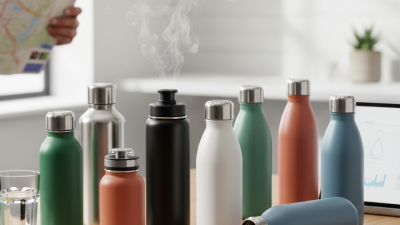
Many brands are embracing bold colors and unique textures. A matte finish contrasts beautifully with
glossy accents. Designs are sleek and modern, making them easy to carry. Some even incorporate smart technology to track hydration.
Functionality is equally important. New flasks offer insulation to keep beverages hot or cold for hours.
Some designs include built-in straws, making sipping convenient. Many models are
lightweight yet durable, perfect for active lifestyles.
However, the perfect balance of style and functionality is hard to achieve. Sometimes, a beautiful design sacrifices practicality.
Sustainability is also a concern. Users want eco-friendly materials without
compromising design. Brands are experimenting with recycled plastics, bamboo, and stainless steel.
These materials often come with their own challenges. They can be costly or not as aesthetically pleasing.
Yet, consumers are increasingly demanding environmentally friendly options.
Finding the ideal blend of aesthetics and function remains a work in progress for many brands.
Health and Safety Standards Influencing Water Flask Design Choices in 2026
In 2026, water flask designs are significantly shaped by health and safety standards. Manufacturers prioritize materials that ensure users' well-being. For instance, stainless steel has gained popularity. It is durable and doesn’t leach harmful chemicals. Many flasks now use BPA-free plastic for safety reasons. These changes reflect a growing awareness of the potential risks associated with hydration products.
Designs will also incorporate features like easy cleaning and temperature retention. Users appreciate flasks that keep drinks hot or cold for longer periods. However, some flasks may struggle with insulation efficiency. This can lead to disappointing experiences. Users might find themselves buying multiple flasks to get the right one. Ultimately, the goal is to create products that are not only safe but user-friendly.
Aesthetic appeal remains important too. Colorful designs and ergonomic shapes attract consumers. Yet, the focus should not shift solely to looks. Functionality must meet safety regulations. It's a delicate balance, and not every design hits the mark. Continuous feedback from users is essential to improve these products. Maintaining high standards while innovating will be necessary for future success.

 +86-13586927333
 CONTACT NUMBER
 CONTACT NUMBER