Leave Your Message

What Is a Transparent Mug and Why Buy One?

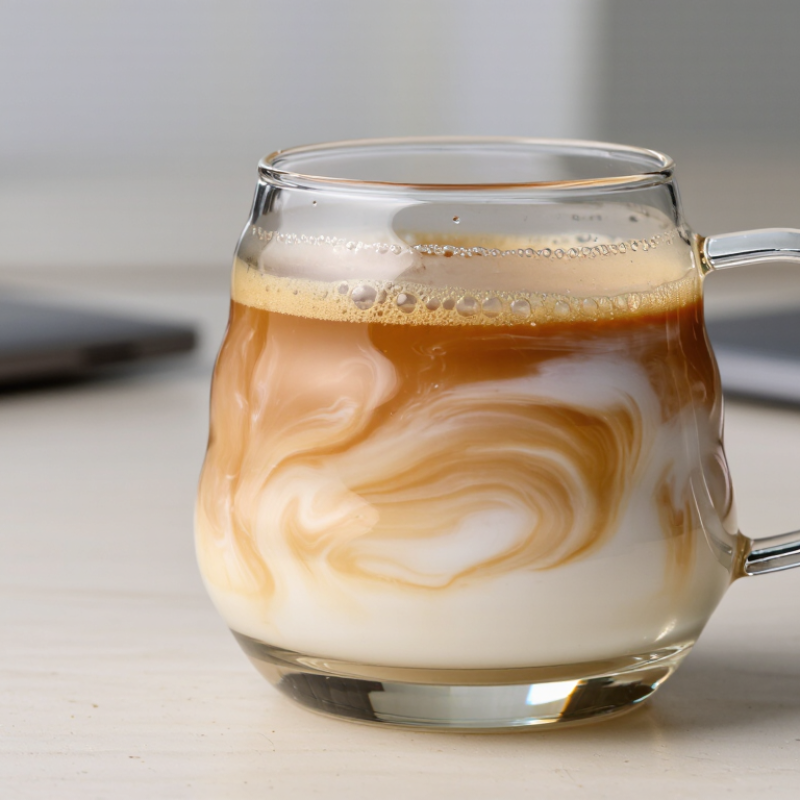
A Mug Transparent turns an ordinary drink into a small visual experience. Through its clear walls, coffee swirls, tea leaves, foam, and melting ice become part of the moment. This design suits calm kitchens, modern offices, and cafés that value presentation. It also helps users notice the drink’s color, volume, and texture before taking a sip.

Glassware designer Clara Weiss says, “Transparency makes a mug honest; it shows both the drink and the user’s habits.” Her observation explains the growing interest in clear drinkware. A well-made transparent mug can use borosilicate glass, which handles moderate temperature changes better than ordinary glass. Still, heat resistance is not unlimited. Sudden boiling liquid, cold surfaces, or thermal shock may cause damage. Care matters.

The best Mug Transparent choice depends on daily use, not appearance alone. A comfortable handle, stable base, smooth rim, and practical capacity can matter more than unusual decoration. Clear glass also reveals stains, fingerprints, and leftover residue quickly. That can encourage better cleaning, although it may feel inconvenient. Some models include double walls, keeping hands cooler while preserving the drink’s warmth. Others remain lightweight but require gentler handling.

There is a small weakness.

Transparent mugs can make drinks appear cooler than they feel. They may also lose heat faster without insulation. Buyers should check material details, care instructions, and temperature guidance before purchasing. The appeal is real, but it is not magic. A transparent mug works best when beauty, safety, comfort, and realistic maintenance meet.
What Is a Transparent Mug and Why Buy One?

What Is a Transparent Mug?

A transparent mug is a drinking vessel made from clear glass or food-safe transparent polymer. Its see-through body reveals the beverage’s color, texture, and remaining volume. Clear glass is common because it resists odors and feels stable in daily use. Borosilicate glass handles temperature changes better than ordinary glass. However, transparency does not automatically mean heat resistance.

In practical use, a transparent mug makes layered coffee, herbal tea, and iced drinks visually easier to inspect. It can also expose stains, scratches, and mineral deposits quickly. That is useful, though not always attractive. Grand View Research valued the global glass tableware market at approximately USD 12 billion in 2023. Its report also projects continued growth through 2030, supported by home dining and beverage presentation. This trend suggests stronger interest in functional drinkware with visual appeal. Still, buyers should examine material details instead of trusting a clear appearance.

Tips: Check whether the mug is borosilicate or tempered glass. Confirm its temperature range before pouring boiling liquid. Avoid sudden hot-to-cold changes. Hold double-wall designs by the insulated body, not the rim. For transparent plastic mugs, review food-contact certification and scratch resistance. Some clear materials look elegant at first, but clouding may appear after repeated washing.


What Is a Transparent Mug and Why Buy One?

Transparent mugs are commonly made from glass or clear polymers such as acrylic and Tritan™-type copolyesters. This chart compares typical thermal conductivity values. Lower conductivity generally means slower heat transfer through the mug wall, while glass offers a clear, rigid surface that makes drink color and volume easy to see. Actual performance also depends on wall thickness, shape, and whether the mug has a lid.

How Transparent Mugs Are Designed and Made

A transparent mug begins with a material decision: soda-lime glass for affordability, or borosilicate glass for stronger thermal resistance. Borosilicate contains boron oxide, which lowers expansion when temperatures change. That matters when hot coffee meets a cool countertop. The International Organization for Standardization recommends controlled testing for glassware safety, including resistance to thermal shock and mechanical stress.

Manufacturers batch silica sand, soda ash, limestone, and recycled cullet in a furnace. The mixture melts above 1,400°C. Forming machines then press or blow the liquid glass into a mold. Handles may be formed with the body or attached later through reheating. Each mug passes through an annealing lehr, where controlled cooling releases internal stress. Skip this stage, and the mug may crack unexpectedly.

The process is precise, but not flawless. A tiny bubble can remain in a noncritical area, while sharp rims, deep scratches, and handle weakness should trigger rejection. Automated cameras now inspect shape and surface defects, although human checking still catches irregular details. Grand View Research valued the global glass tableware market at roughly USD 10 billion in 2023, showing strong demand for clear, reusable drinkware. However, market growth does not guarantee quality. Transparent glass reveals fingerprints, stains, and manufacturing marks immediately. That honesty is useful, but sometimes inconvenient. A well-made mug should feel balanced, show an even wall thickness, and survive ordinary temperature changes without drama.

What Materials Are Used in Transparent Mugs?

Transparent mugs are usually made from borosilicate glass, soda-lime glass, acrylic, polycarbonate, or newer copolyester plastics. Borosilicate glass contains boron oxide, giving it stronger resistance to sudden temperature changes. It suits hot tea and iced drinks better than ordinary glass. Soda-lime glass costs less, but rapid heating or cooling can still cause cracking. I learned this through simple use: a cold mug filled with boiling water is a poor experiment.

Acrylic and polycarbonate mugs are lighter and less likely to shatter. They work well outdoors, in offices, or around children. However, scratches can collect around the rim and make the mug look cloudy. The OECD’s Global Plastics Outlook reports that the world produced 353 million tonnes of plastic waste in 2019, while only 9% was recycled. This figure does not make every plastic mug unsuitable, but it makes material selection more important. Reusable, durable designs deserve closer attention.

Some transparent mugs use copolyester, which offers clarity with improved impact resistance. Yet “BPA-free” alone does not prove superior performance. Check heat limits, dishwasher guidance, and food-contact certification. The U.S. Environmental Protection Agency reported a 25.8% recycling rate for glass containers and packaging in 2018. Recycling systems vary widely, though. A clear mug may look clean and simple, but its real footprint depends on lifespan, washing habits, transport, and disposal. Looks can mislead.

What Are the Main Benefits of Using One?

A transparent mug makes the drink part of the experience. You can see the coffee’s color, milk pattern, tea strength, and remaining volume without lifting it. This is useful during daily brewing. The National Coffee Association’s Spring 2024 report found that 67% of American adults drank coffee within the previous day. For frequent drinkers, visual control can make small routines more deliberate. A clear mug also shows residue, cracks, or trapped particles sooner than an opaque cup. That is practical, not merely decorative.

The material matters. Heat-resistant glass usually preserves a drink’s original flavor because it adds no noticeable taste. Its smooth surface can also be easier to inspect after washing. I still check the rim carefully; clear glass can hide tiny chips under bright light. The International Coffee Organization reported global coffee consumption of about 177.9 million 60-kilogram bags in 2022/23, showing how many people repeat this ritual daily. A transparent mug suits that ritual by revealing changes in color and texture. It can even discourage overfilling, since the portion remains visible. ISO 3103:2019 uses white porcelain for formal tea tasting, so transparency is not a professional tasting requirement. That distinction matters. A clear mug improves observation, but it does not automatically improve flavor. Choose one with a stable handle and suitable thermal resistance. Otherwise, the visual appeal may become an avoidable safety problem.

How to Choose the Right Transparent Mug for Your Needs

What Is a Transparent Mug and Why Buy One?

How to Choose the Right Transparent Mug for Your Needs

A transparent mug shows the drink’s color, foam, and remaining volume. This simple view can improve portion awareness. The International Coffee Organization estimated global coffee consumption at about 177.9 million 60-kilogram bags in 2022/23. With coffee used daily worldwide, mug design deserves practical attention.

Start with the material. Borosilicate glass usually handles temperature changes better than ordinary glass, but it is not unbreakable. Check for heat-resistant labeling and avoid sudden contact with cold water. A double-wall design keeps fingers cooler and makes layered drinks easier to see. Yet, it may feel less familiar in the hand.

Size matters. The National Coffee Association’s Spring 2024 National Coffee Data Trends report found that 67% of American adults drank coffee in the past day. For regular coffee, 250–350 milliliters is often manageable. Larger mugs become heavy when filled. They also cool slowly, which some users may dislike.

Inspect the handle carefully. It should leave space for two fingers without pressing against the glass. A stable base helps on a crowded desk. For cleaning, choose a wide opening and a smooth interior. Small seams can trap milk residue. Dishwasher-safe claims are useful, but repeated heat cycles may still dull printed markings.

Think about your routine. Tea, espresso drinks, and iced beverages need different shapes. I once chose appearance over grip comfort. That mistake became obvious after ten minutes. Clear glass looks elegant, but comfort, weight, and safe handling should decide the purchase.

What Is a Transparent Mug and Why Buy One? - How to Choose the Right Transparent Mug for Your Needs

Selection Dimension Glass Mug Borosilicate Glass Mug Acrylic Mug Polycarbonate Mug Buying Recommendation
What it is A transparent drinking vessel made from standard glass. A glass vessel made with borosilicate glass, which has relatively low thermal expansion. A lightweight, clear plastic mug made from acrylic polymer. A clear, impact-resistant plastic mug made from polycarbonate. Choose the material according to temperature, durability, weight, and cleaning needs.
Typical transparency High; may have a slight green or gray tint depending on thickness and composition. High; commonly provides a clean, neutral appearance. High and glossy; can develop surface scratches over time. High; may show a slight blue tint and can become hazy with age or harsh cleaning. For the clearest long-term appearance, select thick, well-finished glass and avoid abrasive cleaning tools.
Common capacity range 250–500 ml 250–450 ml 300–500 ml 300–600 ml Choose 250–350 ml for espresso-based drinks and 400–500 ml for tea, iced drinks, or larger servings.
Hot beverage suitability Generally suitable when the mug is designed for hot drinks; avoid sudden temperature changes. Generally well suited to hot drinks, but thermal-shock precautions are still necessary. Usually intended for cold or warm beverages; follow the product temperature rating. Some products support hot drinks, but the specific heat rating must be checked before use. For frequent hot coffee or tea, choose heat-rated glass or borosilicate glass.
Impact resistance Low to moderate; can break if dropped or struck. Low to moderate; improved thermal durability does not make it shatterproof. Moderate; less likely to shatter than glass but can crack or scratch. High compared with ordinary glass; may still crack under severe impact. For offices, outdoor use, or households with children, consider a transparent plastic mug with a secure handle.
Weight Moderate to heavy Moderate Light Light to moderate Select acrylic for minimum weight; select glass when a more substantial, stable feel is preferred.
Flavor and odor retention Very low when clean and undamaged. Very low when clean and undamaged. Generally low, but scratches may trap residue. Generally low, but prolonged exposure to strong flavors may affect cleaning. For coffee, tea, and flavored drinks, smooth surfaces and regular washing help preserve taste.
Cleaning guidance Often dishwasher-compatible, but check the product instructions. Often dishwasher-compatible when specified; avoid sudden temperature changes. Hand washing with a soft sponge is preferred to reduce scratching. Use the stated dishwasher guidance; avoid abrasive pads and unsuitable chemicals. Prioritize a wide opening, smooth interior, and clearly stated cleaning instructions.
Best use cases Home dining, coffee, tea, water, and visual presentation. Hot drinks, specialty beverages, and situations where thermal performance matters. Cold drinks, casual gatherings, events, and lightweight everyday use. Outdoor activities, busy workplaces, travel, and higher-impact environments. Match the mug to the environment rather than choosing transparency alone.
Key advantages Neutral taste, durable appearance, and a classic transparent look. Good clarity with better resistance to thermal expansion than ordinary glass. Lightweight, clear, and less prone to shattering than glass. Strong impact resistance and practical portability. Choose based on the balance of clarity, safety, heat tolerance, and maintenance.
Important limitations Breakage risk and possible thermal shock. Still breakable; not automatically safe for direct flame or sudden temperature changes. Can scratch, cloud, or deform if exposed to unsuitable heat. Can scratch or become cloudy; heat and chemical compatibility vary by product. Always verify the manufacturer’s temperature, dishwasher, microwave, and food-contact instructions.

Note: Capacity, temperature limits, dishwasher compatibility, and material performance vary by design and construction. Check the product specifications before purchase and use.