Why Are Drink Mugs a Smart Choice for Global Buyers?
For global buyers, Drink Mugs offer a practical balance of comfort, branding, and everyday value. They serve coffee, tea, water, and many workplace beverages. A well-designed mug can support hotels, offices, cafés, retailers, and household users. Its value depends on more than appearance. Buyers should examine capacity, handle comfort, glaze quality, insulation, packaging, and shipping durability. A mug that feels pleasant in the hand may still arrive with chipped edges. That detail matters.
Material selection requires careful judgment. Ceramic mugs provide a familiar feel and broad design flexibility. Stainless steel models often suit travel and outdoor use. Certified food-contact plastics may reduce breakage in selected environments. However, specifications vary by supplier and destination market. Responsible buyers should request test reports, material declarations, and clear care instructions. They should also confirm whether colors, coatings, and printing methods meet applicable requirements. Do not rely on attractive product photos alone. Samples reveal weight, balance, surface texture, and actual heat retention.
Drink Mugs can also support sustainable purchasing, but the decision is not simple. A reusable item may reduce disposable-cup demand, yet transportation, packaging, and product lifespan still matter. Buyers should compare durability, repairability, recycled content, and expected usage. No product is perfect. Some suppliers may offer impressive claims without enough evidence. That weakness deserves attention. By combining hands-on sample reviews, transparent supplier communication, and realistic cost analysis, global buyers can select Drink Mugs that perform reliably across different markets and daily routines.
Definition and Core Features of Drink Mugs
Why Are Drink Mugs a Smart Choice for Global Buyers?
Definition and Core Features of Drink Mugs
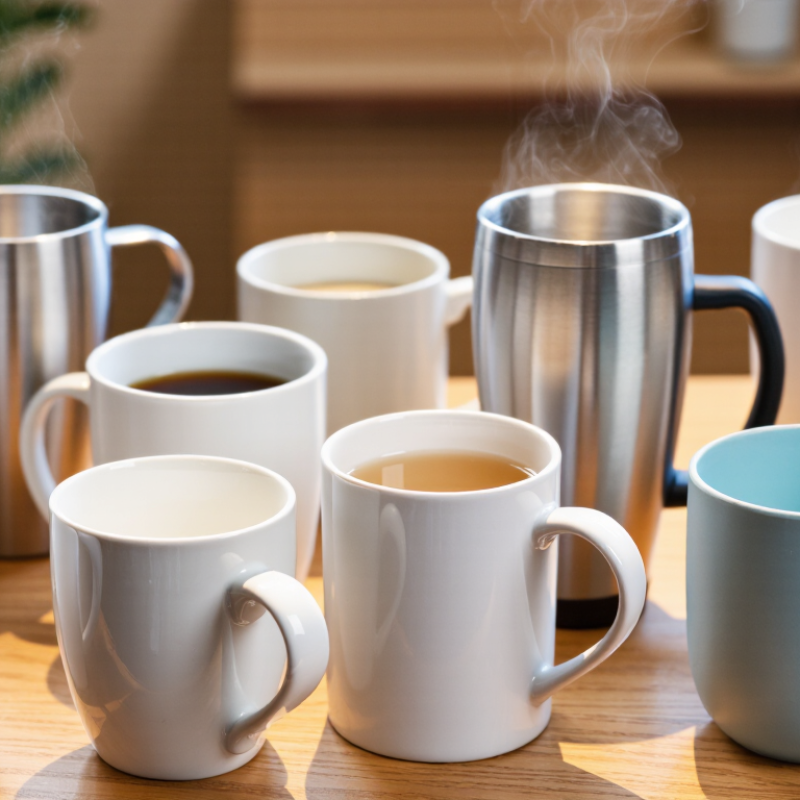
A drink mug is a reusable vessel for serving hot or cold beverages. Its core feature is usually a wide body with a stable base and an easy-grip handle. Some models include lids, insulation layers, or measurement markings. Common materials include ceramic, glass, stainless steel, and food-grade plastic. Each material changes the mug’s weight, heat retention, durability, and shipping cost.
According to Allied Market Research, the global drinkware market was valued at about USD 25.8 billion in 2022. The report projects it may reach USD 45.4 billion by 2032. This growth reflects demand for convenient, reusable, and customizable drinkware. However, a mug is not automatically sustainable. A heavy ceramic mug may require more transport energy than a lighter option. Buyers should examine the full product life cycle.
Performance matters in daily use. A reliable mug should resist cracking, leaking, staining, and unpleasant odor retention. Food-contact surfaces should follow recognized safety requirements in the target market. Insulated designs should maintain beverage temperature without becoming too hot to hold. In my purchasing experience, small details often decide repeat orders: a comfortable handle, a stable base, and packaging that prevents breakage. Capacity also needs careful review. A 350-milliliter mug suits ordinary coffee, while larger sizes may increase material use and shipping volume. Mistakes still happen when buyers judge quality from appearance alone.
Why Are Drink Mugs a Smart Choice for Global Buyers?
Drink mugs are reusable drinking vessels typically designed with an open top, a stable base, and a handle. Their capacity can serve different consumption needs, from small espresso portions to larger everyday and travel beverages.
The chart presents common capacity references used in drinkware specification planning: espresso cups at about 60 mL, standard coffee cups at about 240 mL, everyday mugs at about 350 mL, and travel mugs at about 470 mL. Actual capacity may vary by product design, region, and intended beverage.
Why Drink Mugs Suit Diverse Global Drinking Habits
Global drinking habits change by place, time, and ritual. A mug must handle coffee, tea, cocoa, and even broth in some markets. Drink mugs suit diverse habits because their open shape supports relaxed, frequent sipping. The International Coffee Organization’s 2024 Coffee Report and Outlook estimates global coffee consumption reached 177.9 million 60-kilogram bags in 2023/24. That volume reflects home brewing, office breaks, and travel routines.
Tea adds another layer. The FAO Intergovernmental Group on Tea reported global tea production above 6.5 million tonnes in 2022. Green tea, black tea, and herbal infusions require different steeping times and temperatures. A practical mug should offer a stable handle, enough headspace, and a comfortable rim. During product testing, a broad base reduces tipping on crowded desks. A slightly tapered body can feel easier to hold with smaller hands. These details seem ordinary. They often determine repeat use.
No mug fits everyone perfectly. A 300-milliliter capacity may suit espresso-based drinks, while larger servings need more room. However, bigger is not always better. A full mug can become heavy for older users or children.
Local interviews still matter, even when consumer reports suggest convenience is important. Handles may feel too narrow. Measurements can mislead. Testing with hot and cold drinks, wet hands, and daily washing reveals more than a polished specification sheet.
Materials, Designs, and Functional Options for Buyers
Drink mugs remain a practical choice for global buyers because they combine daily use with flexible product design. Material selection shapes cost, weight, durability, and user comfort. Ceramic offers a familiar feel and strong heat retention. Stainless steel supports outdoor use and repeated handling. Glass gives a clean appearance, although it needs careful packaging. Recycled materials may support sustainability goals, but buyers should request clear composition details.
Design affects both shelf appeal and real-world performance. A wide handle can improve grip, especially for office users. A narrow rim may reduce spills but can feel less comfortable. Lids, sleeves, and stackable shapes add functional value. Small details matter. Buyers should check how each part fits, cleans, and performs after repeated use. A mug that looks attractive in photos may feel unbalanced when filled.
Reliable sourcing requires more than comparing unit prices. Ask for material specifications, food-contact documentation, capacity measurements, and sample testing. Check heat resistance, odor retention, leakage, and surface durability. Packaging also deserves attention, since fragile mugs can arrive with chipped edges or cracked walls. In my experience, simple designs often survive shipping better than complicated ones. However, “durable” should never be accepted without practical testing. Dishwasher suitability, insulation claims, and finish quality can vary by production batch. Regional preferences also matter; a tall travel mug may suit commuters, while a smaller ceramic cup may fit home kitchens better.
Key Factors in Evaluating Drink Mugs for Import
Why Are Drink Mugs a Smart Choice for Global Buyers?
Key Factors in Evaluating Drink Mugs for Import
Drink mugs can offer strong demand, but import decisions require more than attractive photos. During sample reviews, buyers should check capacity, weight, grip comfort, and surface quality. A mug may look excellent online. The details matter.
Material verification is essential. Ask suppliers for clear specifications and current food-contact documents for the destination market. Check ceramic, glass, stainless steel, silicone, and plastic components separately. Test for odors, stains, cracks, sharp edges, and color changes. A simple hot-drink test can reveal handle heat and lid leakage. Dishwasher testing is useful, although factory claims may not match household conditions.
Do not ignore shipping realities. Measure the packed carton, not only the mug. Protective inserts should resist drops without creating excessive volume. Confirm carton strength, product labeling, barcode placement, and production tolerances before placing a large order. A pre-shipment inspection can compare random units with the approved sample. It cannot replace careful supplier evaluation.
Samples can be misleading. Early units are often handled more carefully than mass production. Request several samples from different production runs when possible. Compare their weight and finish. Small differences may become costly complaints later. Buyers should also review minimum order quantities, replacement policies, lead times, and communication speed. The cheapest quote may not deliver the safest margin.
Sustainability, Cost Efficiency, and Market Potential
Why Are Drink Mugs a Smart Choice for Global Buyers?
Sustainability, Cost Efficiency, and Market Potential
Drink mugs can support practical sustainability goals when buyers encourage repeated use. The OECD Global Plastics Outlook reports that global plastic waste reached 353 million tonnes in 2019. Only 9% was recycled. A durable mug made from stainless steel, ceramic, or recycled materials can reduce dependence on disposable drinkware. Material choice still matters. A heavy ceramic mug may require more transport energy than a lightweight alternative. Packaging also creates hidden environmental costs.
Cost efficiency is measurable at the purchasing stage. A 4-dollar mug used 80 times costs about five cents per use, excluding washing and replacement. That calculation is simple. Real usage is not. Lids crack, handles break, and poorly finished surfaces create returns. Buyers should test heat retention, leak resistance, dishwasher performance, and packaging strength before placing large orders. Small defects become expensive across international shipments.
Market signals remain positive. Grand View Research valued the global reusable water bottle market at about 8.9 billion dollars in 2022, with projected growth through 2030. This category differs from drink mugs, but it reflects wider demand for reusable drinkware. The opportunity includes offices, hospitality, travel, education, and promotional purchasing. However, sustainability claims require evidence. Suppliers should provide material specifications, testing records, and clear care instructions. A reusable mug is not automatically sustainable. Its value depends on long-term use, responsible production, and honest communication.
Why Are Drink Mugs a Smart Choice for Global Buyers? - Sustainability, Cost Efficiency, and Market Potential
Indicative ranges for international procurement planning. Actual figures vary by material grade, capacity, order quantity, shipping distance, washing method, and local regulations.
| Mug Type |
Typical Service Life |
Typical Empty Weight |
Indicative Bulk Cost per Unit (USD) |
Approx. Reuses Needed to Offset Purchase Cost* |
Sustainability and Market Advantages |
| Stainless Steel |
5–10+ years |
250–600 g |
$3.00–$12.00 |
30–100 uses |
High durability, corrosion resistance, strong suitability for travel and food-service programs, and established metal-recycling pathways. |
| Ceramic |
2–5+ years |
300–700 g |
$2.00–$8.00 |
15–70 uses |
Familiar to consumers, suitable for cafés and offices, and generally dishwasher-safe; heavier weight can increase transport emissions. |
| Borosilicate Glass |
2–5+ years |
250–600 g |
$2.00–$7.00 |
15–60 uses |
Neutral taste and strong visual appeal; glass can be recycled where collection and processing infrastructure are available. |
| Reusable Polypropylene |
1–3 years |
100–300 g |
$1.00–$5.00 |
10–50 uses |
Low transport weight, low entry cost, and broad suitability for events, schools, offices, and promotional programs; end-of-life recycling depends on local facilities. |
| Single-Use Paper or Plastic Cup |
One use |
3–20 g |
$0.03–$0.20 |
Not applicable |
Low initial unit cost but repeated purchasing creates recurring expense, packaging waste, storage demand, and exposure to single-use restrictions in some markets. |
Sustainability Indicator
A reusable mug becomes more environmentally competitive as its number of uses increases, especially when washing uses efficient dishwashers or consolidated cleaning systems.
Cost-Efficiency Indicator
Replacing repeated single-use purchases with a durable mug can reduce long-term unit costs after the break-even point, excluding labor and washing expenses.
Market Potential Indicator
Demand is supported by offices, hospitality, cafés, schools, events, travel, employee programs, and regulations encouraging waste reduction.
*The reuse estimate is a simplified purchase-cost comparison using an indicative single-use cup cost of $0.08–$0.20 and does not include washing, breakage, logistics, taxes, or disposal costs. Relevant reference frameworks include life-cycle assessment principles in ISO 14040/14044 and waste-prevention guidance published by international environmental agencies.

 +86-13586927333
 CONTACT NUMBER
 CONTACT NUMBER