
 +86-13586927333

Thermos cup factory



0102030405
Analysis of the Impact of Gender Differences among Retail Customers on Cup Purchasing Preferences
2025-11-07
In the cup market, the gender differences among retail customers have a significant impact on their purchasing preferences. This difference is not only reflected in the functions and designs of the products, but also in the purchasing behavior and decision-making process. This article will delve into how gender differences influence the purchasing preferences for cups from multiple perspectives, in order to help retailers better understand market demands and optimize product supply.
First, there are differences in preferences for functions and uses
Male consumers
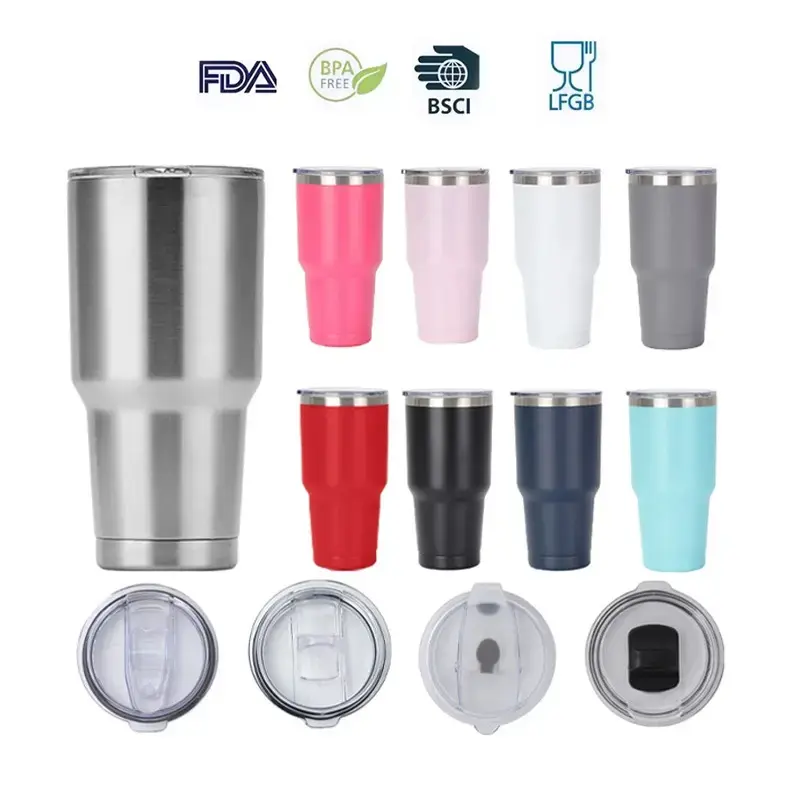
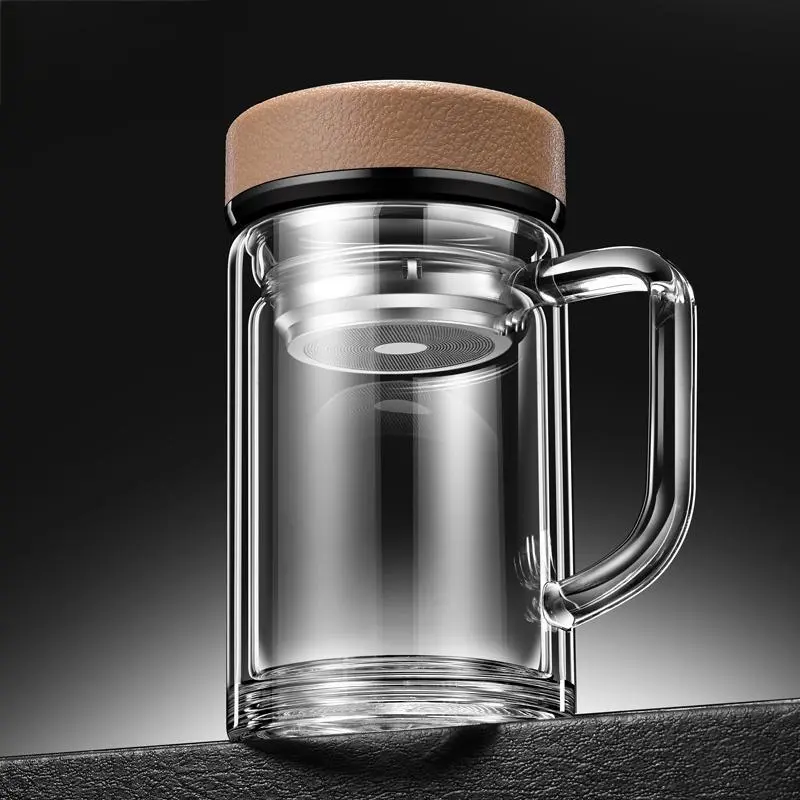
When male consumers choose cups, they usually pay more attention to the functionality and practicality of the products. For instance, men tend to choose thermos cups with excellent heat retention performance, especially those that can keep beverages warm for a long time. In addition, male consumers also prefer cups with larger capacities to meet their drinking water needs during outdoor activities or long working hours.
Female consumers
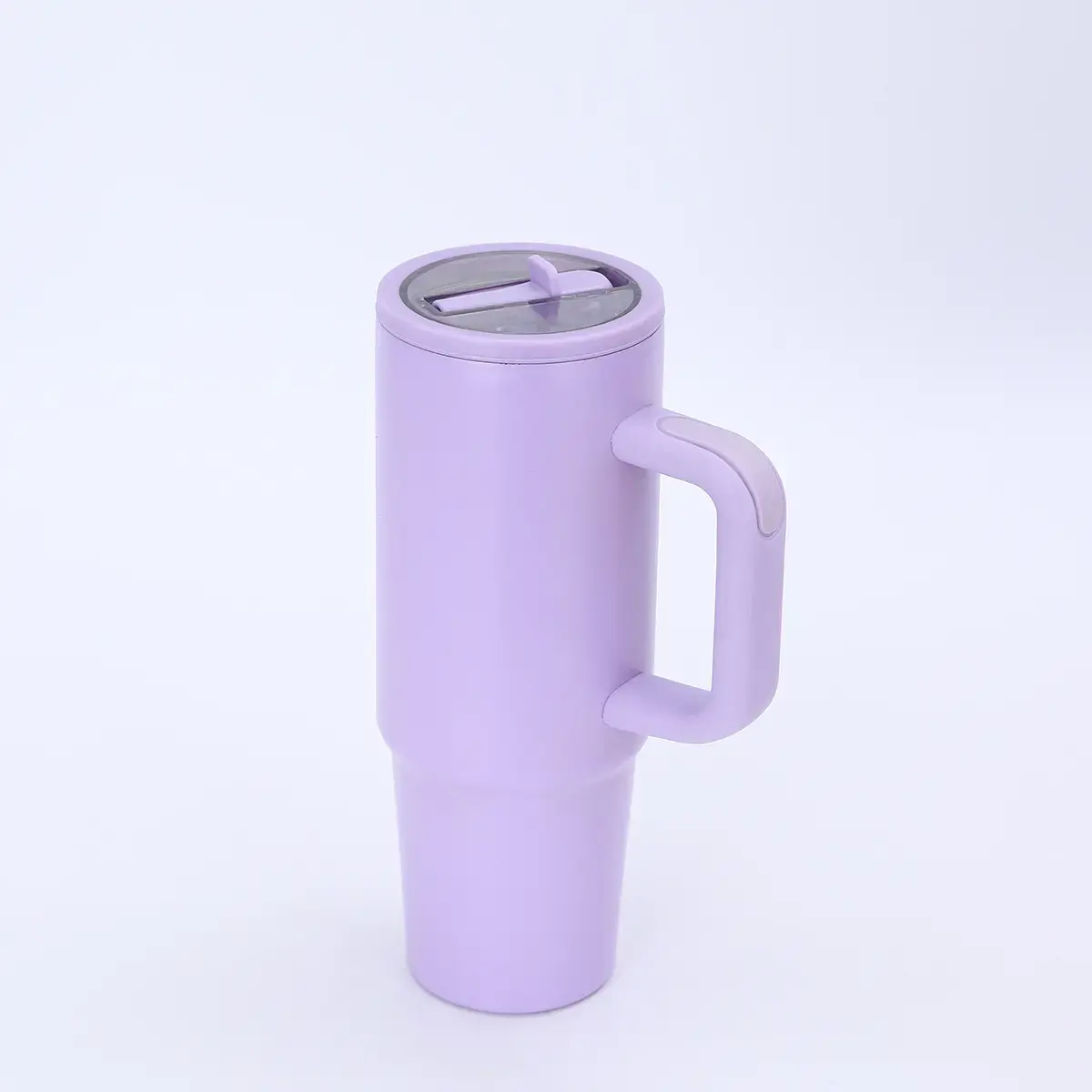
Female consumers, on the other hand, pay more attention to the multi-functionality and detailed design of cups. For instance, women prefer thermos flasks and smart Water Cups. These products not only have heat preservation functions but also meet the needs of cooking and health monitoring, etc. In addition, female consumers also pay more attention to the portability and ease of use of cups, such as those with handles or foldable designs.
Second, differences in preferences for design and appearance
Male consumers
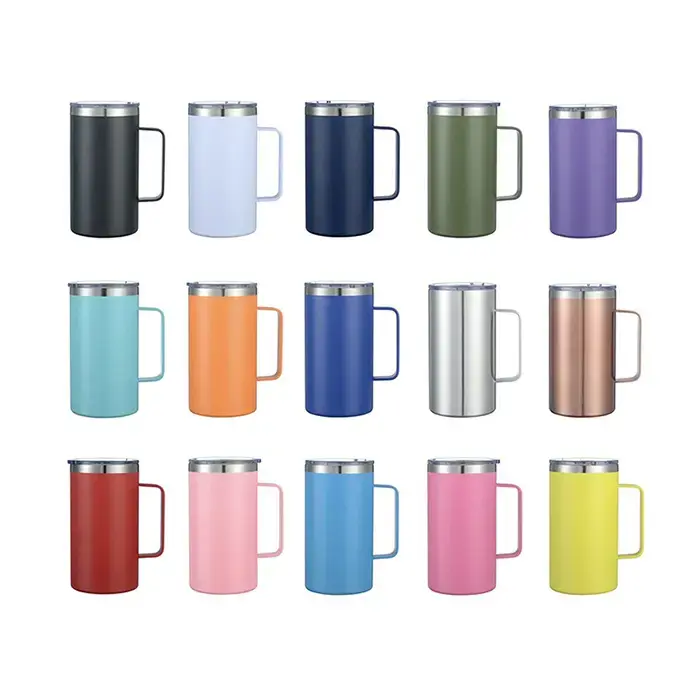
In terms of design and appearance, male consumers usually prefer a simple and elegant design style. They tend to choose cups with more understated colors and simple lines, such as black and dark gray. In addition, male consumers also pay more attention to the durability and texture of cups and prefer products made of high-quality materials.
Female consumers
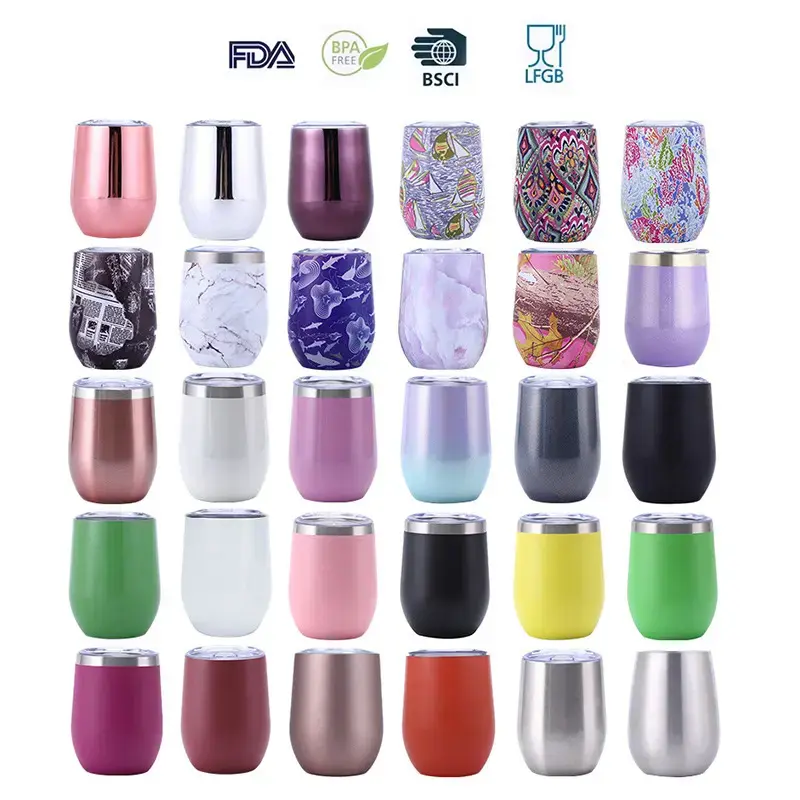
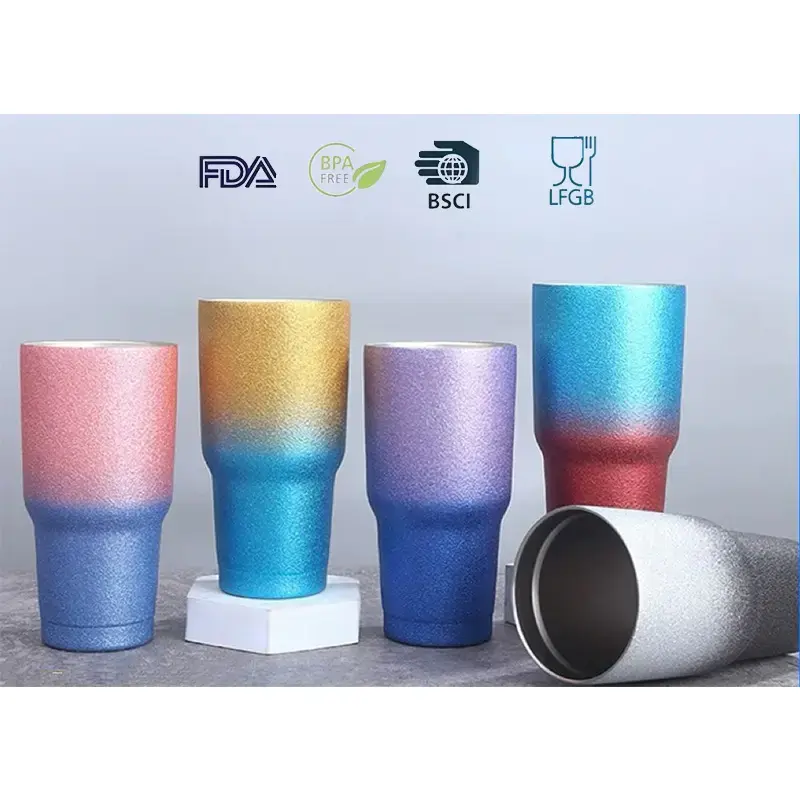
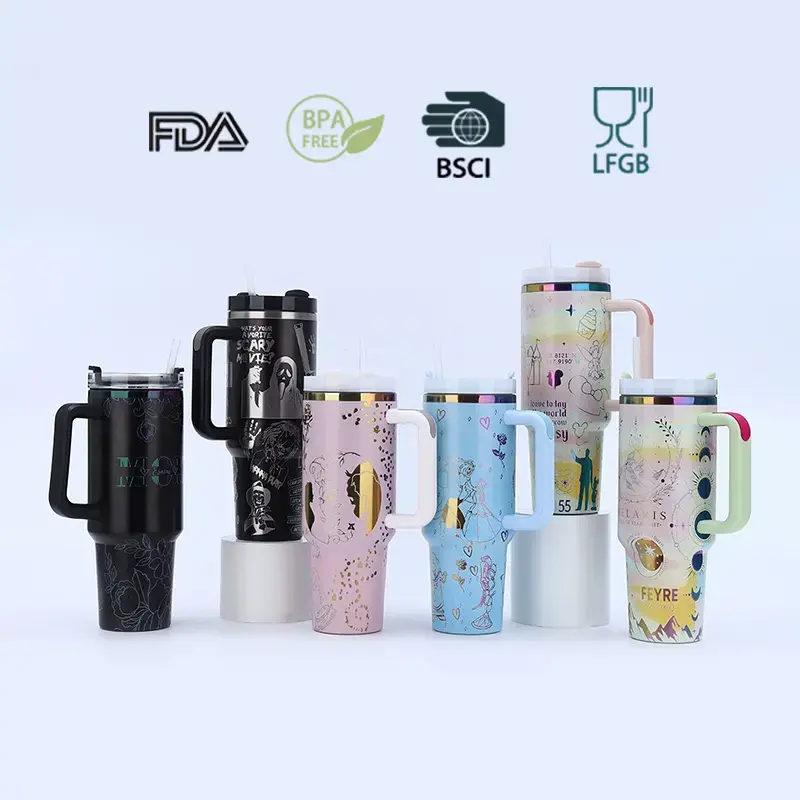
Female consumers, on the other hand, pay more attention to the appearance and decoration of cups. They tend to choose products with bright colors and rich patterns, such as cups with floral designs or cartoon images. In addition, female consumers also pay more attention to the shape and size of cups, preferring small and exquisite designs.
Third, the differences between purchasing behavior and the decision-making process
Male consumers
In terms of purchasing behavior, male consumers are usually more decisive and direct. They tend to make purchasing decisions quickly after determining their needs and are less influenced by advertisements or promotional activities. In addition, male consumers pay more attention to the cost performance of products when making purchases and tend to choose products that are reasonably priced and have powerful functions.
Female consumers
Female consumers are more cautious and meticulous in the purchasing process. They usually spend more time comparing products of different brands and styles, and refer to the evaluations and suggestions of other consumers. In addition, female consumers pay more attention to emotional factors when making purchases and tend to choose products that can bring pleasant experiences.
Fourth, the differences in preferences between brands and marketing
Male consumers
When it comes to brand selection, male consumers usually pay more attention to the brand's popularity and reputation. They tend to choose brands that enjoy a high reputation and good word-of-mouth in the market. In addition, male consumers have relatively higher brand loyalty. Once they find a satisfactory brand, they tend to keep making purchases.
Female consumers
Female consumers, on the other hand, pay more attention to the brand's image and marketing activities. They tend to choose brands that can evoke emotional resonance, especially those that effectively market through advertising and social media. In addition, female consumers have relatively lower brand loyalty and are more susceptible to the influence of new products and promotional activities.
Fifth, the difference between health awareness and environmental protection awareness
Male consumers
In terms of health and environmental awareness, male consumers usually pay more attention to the practicality and cost-effectiveness of products. They tend to choose products that can meet their basic needs and are reasonably priced. In addition, male consumers pay relatively less attention to eco-friendly products and place more emphasis on the durability and functionality of the products.
Female consumers
Female consumers, on the other hand, pay more attention to the health and environmental attributes of products. They tend to choose products made of eco-friendly materials, such as cups made of glass or stainless steel. In addition, female consumers pay more attention to health products and are more willing to pay higher prices for health and environmentally friendly products.
Sixth, Conclusions and Suggestions
In conclusion, the gender differences among retail customers have a significant impact on their purchasing preferences for cups. Male consumers pay more attention to the functionality and practicality of products and prefer simple and elegant design styles. Female consumers, on the other hand, pay more attention to the multi-functionality and appearance design of products, and tend to choose products with bright colors and rich patterns. In terms of purchasing behavior, male consumers are more decisive and direct, paying attention to the cost performance of products. Female consumers are more cautious and meticulous, paying more attention to emotional factors. In terms of brand and marketing, male consumers pay more attention to the brand's popularity and credibility. Female consumers, on the other hand, pay more attention to the brand's image and marketing activities. In terms of health and environmental awareness, male consumers pay more attention to the practicality and cost-effectiveness of products. Female consumers, on the other hand, pay more attention to the health and environmental attributes of products.