 +86-13586927333

Thermos cup factory

0102030405
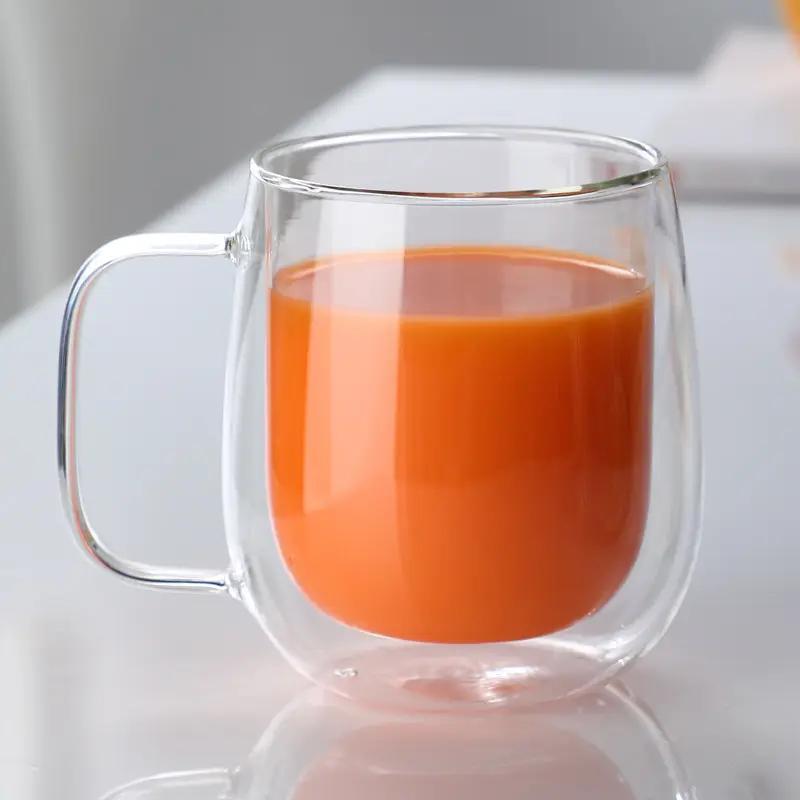
Analysis of the material of Insulating Freezer Glass Cups: The Purchasing choice between High Borosilicate Glass and Ordinary Glass
2025-12-09
Analysis of the material of Insulating Freezer Glass Cups: The Purchasing choice between High Borosilicate Glass and Ordinary Glass
In the business of cup manufacturing and trading, material selection is often the first threshold that determines the vitality of a product. Especially for the glass cups in the insulated freezer, they must not only withstand sudden temperature changes but also remain stable and safe during long-term contact with beverages. Many B2B customers are often torn when choosing products: Should they use high borosilicate glass or continue to use the common ordinary glass? The differences behind these two materials are not merely about chemical composition; they directly affect the durability of the cup, the user experience, and its acceptance in the terminal market.
Let's start with ordinary glass. This is the most common material we have seen since childhood. It has a low cost and mature processing, and there is no major problem using it in a normal room temperature environment. However, when it comes to refrigerating or holding cold drinks in a freezer, a large temperature difference can easily cause stress cracks in ordinary glass, and in extreme cases, it may even break directly. The reason lies in the fact that the coefficient of thermal expansion of ordinary glass is relatively high. When exposed to alternating cold and heat, the internal stress distribution is uneven, and its thermal shock resistance is relatively weak. If it is a commercial setting, such as a cold drink shop, bar or hotel mini-bar, the frequent use of chilled beverages will magnify this risk.
The characteristics of high borosilicate glass, however, are significantly different. Its boron content is relatively high, which significantly reduces the coefficient of thermal expansion. This means that it is more "stable" in the face of sudden changes in temperature and is less likely to crack due to temperature differences. It is often heard in the industry that high borosilicate glass can withstand a temperature difference of -20℃ to 150℃. This figure is considered quite generous in the field of cups. For the product line that wants to make insulated freezer glass cups, this is a very practical safety boundary, especially in the operation where the cups need to be pre-cooled before pouring cold drinks, it can reduce unexpected losses.
In addition to thermal stability, high borosilicate glass also excels in chemical stability. It has a higher tolerance for acidic and alkaline beverages, and the probability of harmful substances being released after prolonged exposure to fruit juice, carbonated drinks or alcoholic beverages is low. This is very important for purchasers who attach great importance to food safety and compliance, as food contact material regulations in different markets have clear limits on leachates, and high borosilicate glass is more likely to meet these requirements.
From the perspective of processing, the melting point and forming temperature range of high borosilicate glass are relatively narrow, and the requirements for equipment and process control are more precise. This is also one of the reasons why its cost is higher than that of ordinary glass. But if we think about it from another perspective, if the procurement target is cups that can be used for a long time, repeatedly cleaned, and maintain a good appearance in a refrigerated environment, the lifespan advantage of high borosilicate glass can actually spread out the overall cost. Ordinary glass may be phased out after a few temperature differences, while high borosilicate glass can last longer, which is a hidden benefit in the scenario of batch operation.
One more point that is often overlooked is that high borosilicate glass usually has better transparency and luster, which makes the cup body more visually appealing when holding brightly colored beverages. For merchants selling fashionable cup products, the "texture" of the material itself is also one of the selling points, which can increase recognition in display or social media dissemination.
Then how should one weigh the pros and cons when making a purchase? If your market mainly targets daily household use, environments with little temperature variation, and you are extremely sensitive to cost control, ordinary glass might be able to meet your basic needs. However, if the positioning is commercial cold chain, outdoor iced drinks, or product lines that emphasize safety and high-end experience, high borosilicate glass is almost a must. Especially when making special categories such as insulated freezer glass cups that require pre-cooling and cold preservation, the material's thermal shock resistance is directly related to usage safety and customer satisfaction.
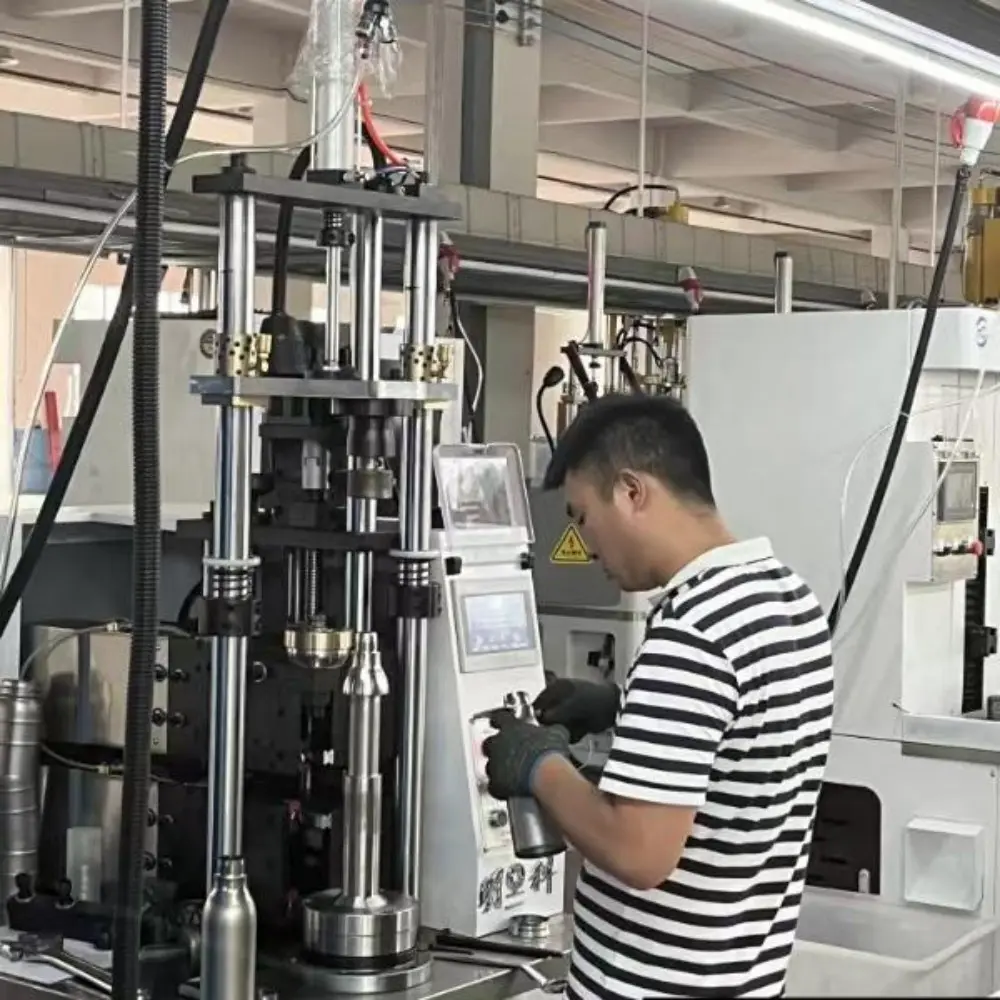
It is worth noting that not all glass labeled as "high borosilicate" can reach the same level. This requires suppliers to have a stable source of raw materials and a mature annealing process. Otherwise, even if the composition is similar, if the stress relief of the finished product is not in place, problems may still occur under temperature differences. So when making a purchase, in addition to checking the material name, it is also necessary to pay attention to the factory's quality control process and the necessary third-party test reports.
Overall, choosing between high borosilicate and ordinary glass is not simply a comparison of expensive and cheap, but rather depends on the application of your product, the usage environment, and the expectations of end customers for durability and safety. The special scenarios of heat-insulating freezer glass cups determine that they need to have more stringent adaptability in terms of material. The stability and reassurance provided by high borosilicate glass in this regard often give the product an extra layer of reliable confidence in the highly competitive market.