
 +86-13586927333

Thermos cup factory
0102030405
Creative Cup Set Combinations for Meaningful Gift-Giving
2025-10-30
In the gift market, cup sets have always held an important position due to their dual attributes of "practicality" and "emotional carrying capacity". Whether for business gifts, festival greetings or commemorative occasions, a set of carefully designed cups not only meets the daily usage needs, but also conveys the giver's sincerity through the combination of materials, shapes and matching elements. This article will focus on different gift-giving scenarios to analyze the combination strategies and design key points of cup sets, providing inspiration and reference for purchasing decisions.
First, business scenarios: A carrier for conveying professional image and sense of quality
The core objective of business gifts is to establish or strengthen cooperative relationships and convey trust and respect. In this scenario, the cup set needs to balance "professionalism", "refinement" and "practicality", avoiding overly personalized design and instead highlighting its value through materials and craftsmanship.
1. Material selection: A balance between stability and durability
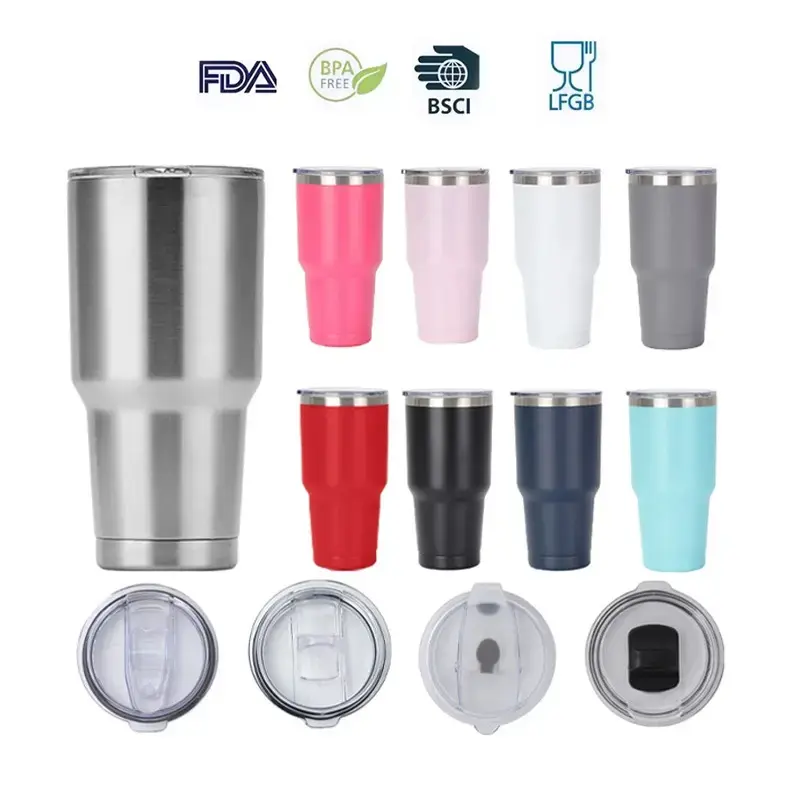
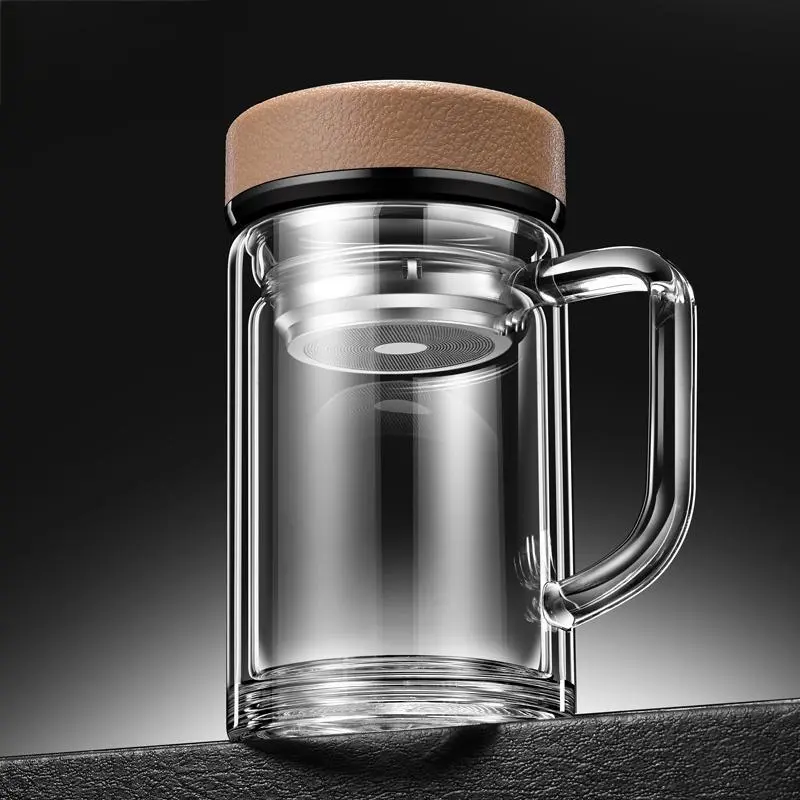
Business scenarios prefer materials with a heavy texture to convey a reliable brand image. Ceramics (especially bone China or high-temperature calcined porcelain) are classic choices - their fine glaze and warm touch meet high-end aesthetics, and their high-temperature resistance and wear resistance are suitable for long-term use. Glass (such as borosilicate heat-resistant glass) is suitable for scenarios that emphasize "transparency" and "modern minimalist style". The transparent or frosted texture can be paired with simple line designs to avoid the cheap feeling brought by complicated decorations. Metal thermos cups (such as those with stainless steel inner linings and ceramic shells) are suitable for business travel scenarios that require heat preservation functions. Their durability and functionality are more in line with the needs of mobile office work.
2. Design elements: The integration of minimalism and logo
The design of business cup sets should adopt a combination of "low-saturation colors + geometric lines" (such as dark blue, matte black, light gray), and avoid bright patterns that may distract attention. If it is necessary to reflect the Logo of an enterprise or institution, it is recommended to place the logo at the bottom of the cup or on the inner side of the handle through processes such as laser engraving or underglaze painting (this not only retains the aesthetic appeal but also ensures that it is not worn out during daily use). The matching elements can include leather coasters (matte texture, printed with brand color blocks) or metal trays (simple square or round, enhancing the overall sense of ceremony), forming a set combination of "cups + auxiliary accessories".
3. Function Adaptation: Scenario-based detailed requirements
For different business scenarios, the functional design of cups needs to be differentiated
Meeting scenario: Choose a straight cup or mug with a moderate capacity (300-400ml), and the handle width should be suitable for holding with one hand (ergonomic) to avoid excessive capacity occupying too much space on the desktop.
Business travel scenarios: Prefer thermos flasks with sealed LIDS (heat retention ≥6 hours, cold retention ≥12 hours), with a body diameter of ≤7cm (suitable for the side pocket of a briefcase), and a surface anti-slip texture design (to cope with jolts during movement).
Signing/celebration scene: It can be paired with double-layer ceramic cups (with underglaze decoration on the outer layer and solid color on the inner layer for practical use), and matched with gift boxes of the same color series (with gilded text or embossed process) to enhance the sense of ceremony.
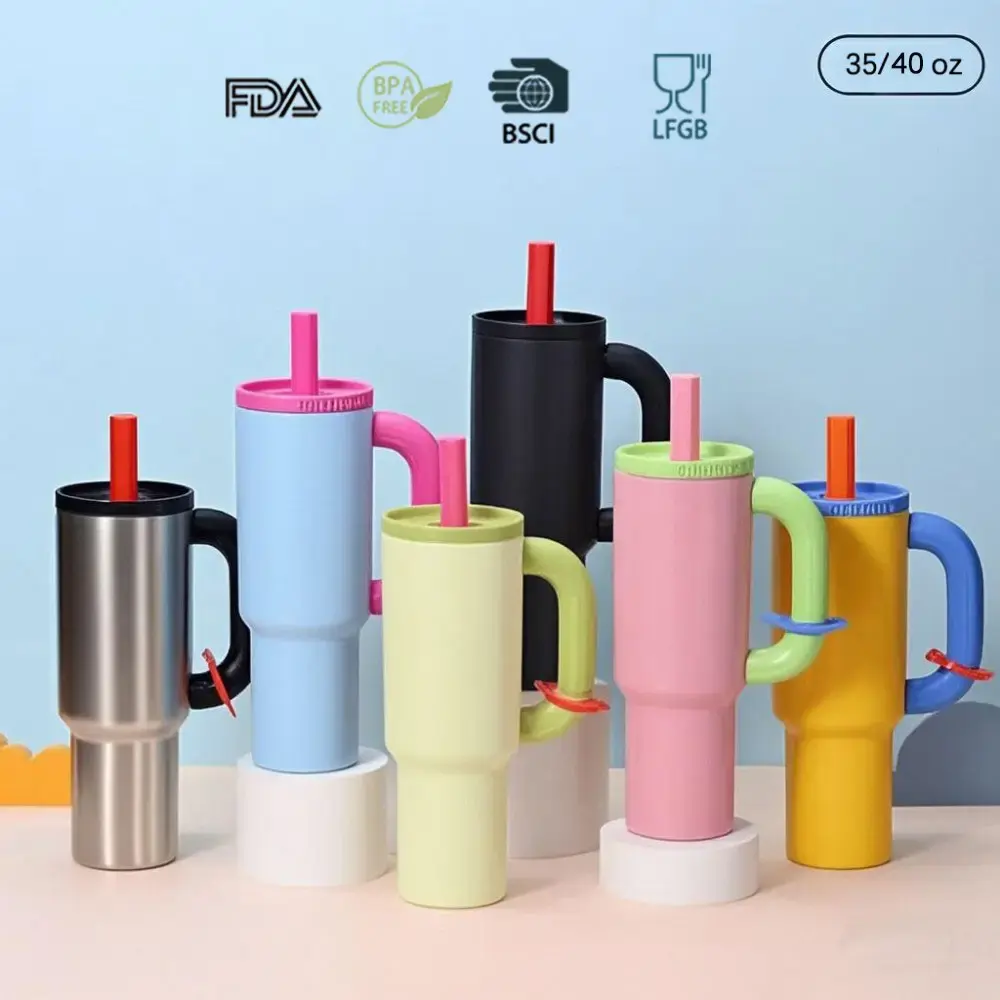
Second, festival scenes: Visual expression of emotional warmth and festival atmosphere
The core of festival gifts is "emotional resonance". Cup sets need to convey the unique warmth of the festival through colors, patterns and theme elements. The cultural symbols of different festivals and users' expectations determine the design direction of the set.
1.Traditional festivals: Modern Interpretations of Cultural symbols
During traditional festivals such as the Spring Festival and the Mid-Autumn Festival, cup sets can evoke emotional resonance through the combination of "traditional elements + modern design language". For instance, for the Spring Festival theme, a red glazed ceramic cup (symbolizing joy and celebration) can be chosen. The cup body can be printed with simple zodiac patterns or calligraphy characters of blessings (such as "May the cup be filled with good fortune" or "May you be healthy every year"), and it can be paired with a wooden gift box with golden borders or hollowed-out designs (echoing Chinese aesthetics). For the Mid-Autumn Festival theme, celadon or frosted glass cups can be used. The cup body can be painted with patterns of the moon, jade rabbit or osmanthus (with soft lines to avoid being too concrete), and paired with mooncade-shaped cup bases or bamboo baskets (to enhance the festive atmosphere).
2. Western Festivals: The sense of ritual through colors and graphics
Western festivals such as Christmas and Thanksgiving pay more attention to the sharp contrast of colors and the emotional transmission of graphics. Christmas cups can be designed in a red and green contrasting color scheme (a classic Christmas color combination), with snowflakes, reindeer or Christmas tree patterns printed on the cup body (using relief or UV printing techniques to enhance the three-dimensional effect), and can be paired with pineco-decorated gift boxes or tied with red ribbons. The Thanksgiving theme is suitable for earth tones (such as caramel brown and olive green), with the cup body painted with Turkey, pumpkin or family dinner scenes (the pattern style leans towards hand-drawn illustrations), conveying warm family emotions.
3. Personalized Festivals: Precise matching of user groups
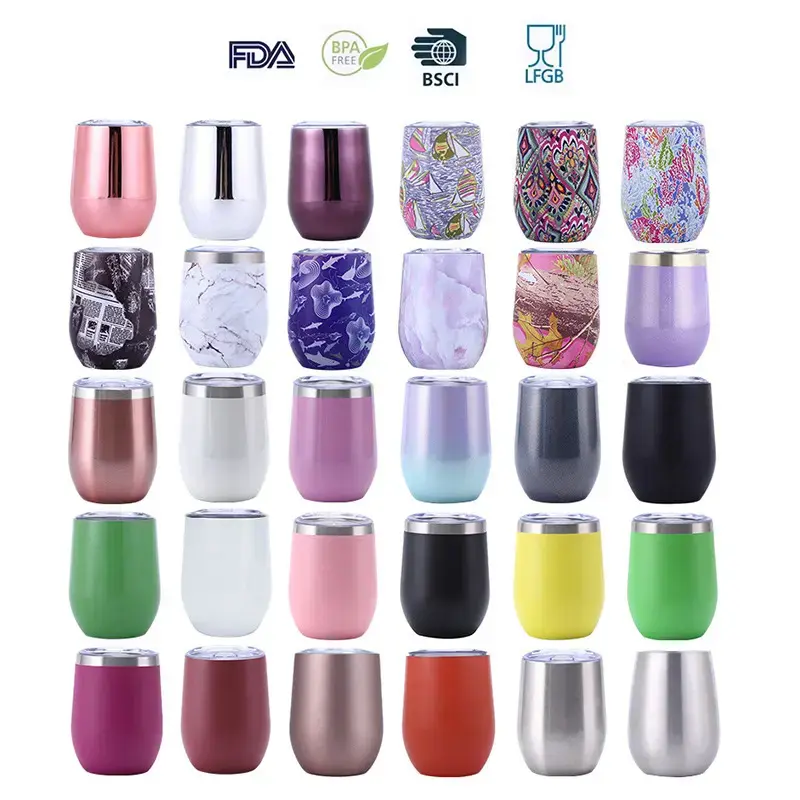
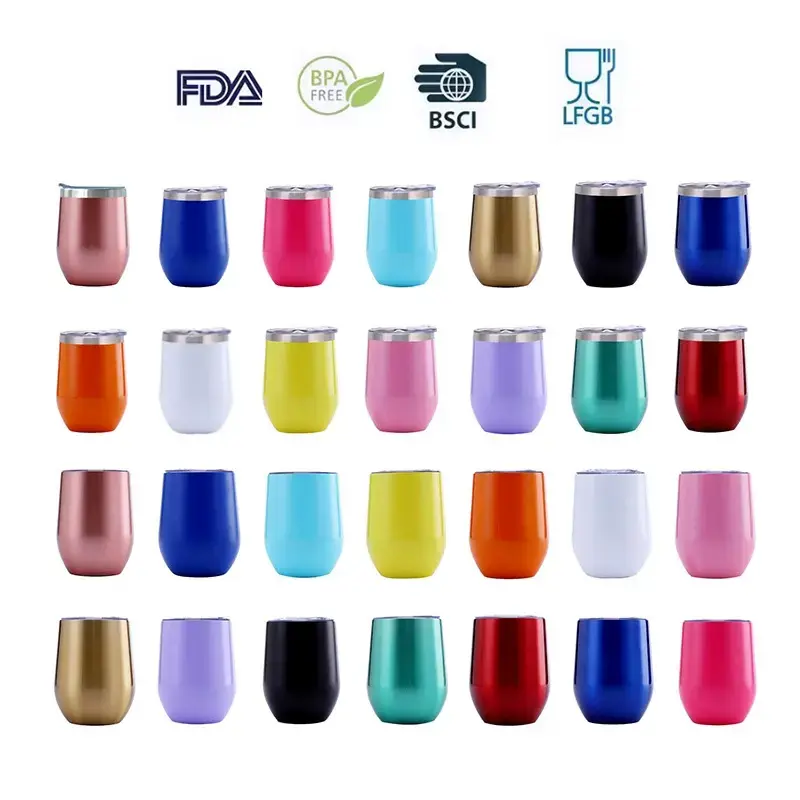
For "emotionally oriented festivals" such as Mother's Day and Father's Day, cup sets need to enhance their "exclusivity". For example, on Mother's Day, you can choose pink or light purple glazed cups (soft and warm), with short text such as "Mom's Tea Time" and "Thank you for being There" printed on the cup body (with round and friendly fonts), and a silicone cup sleeve decorated with dried flowers (to increase the fun of use). Father's Day is more suitable for dark-colored mugs (such as dark blue or coffee color). The patterns on the cup body can be golf balls, fishing scenes or humorous slogans (such as "Best Dad"), which are in line with the interests and preferences of male users.
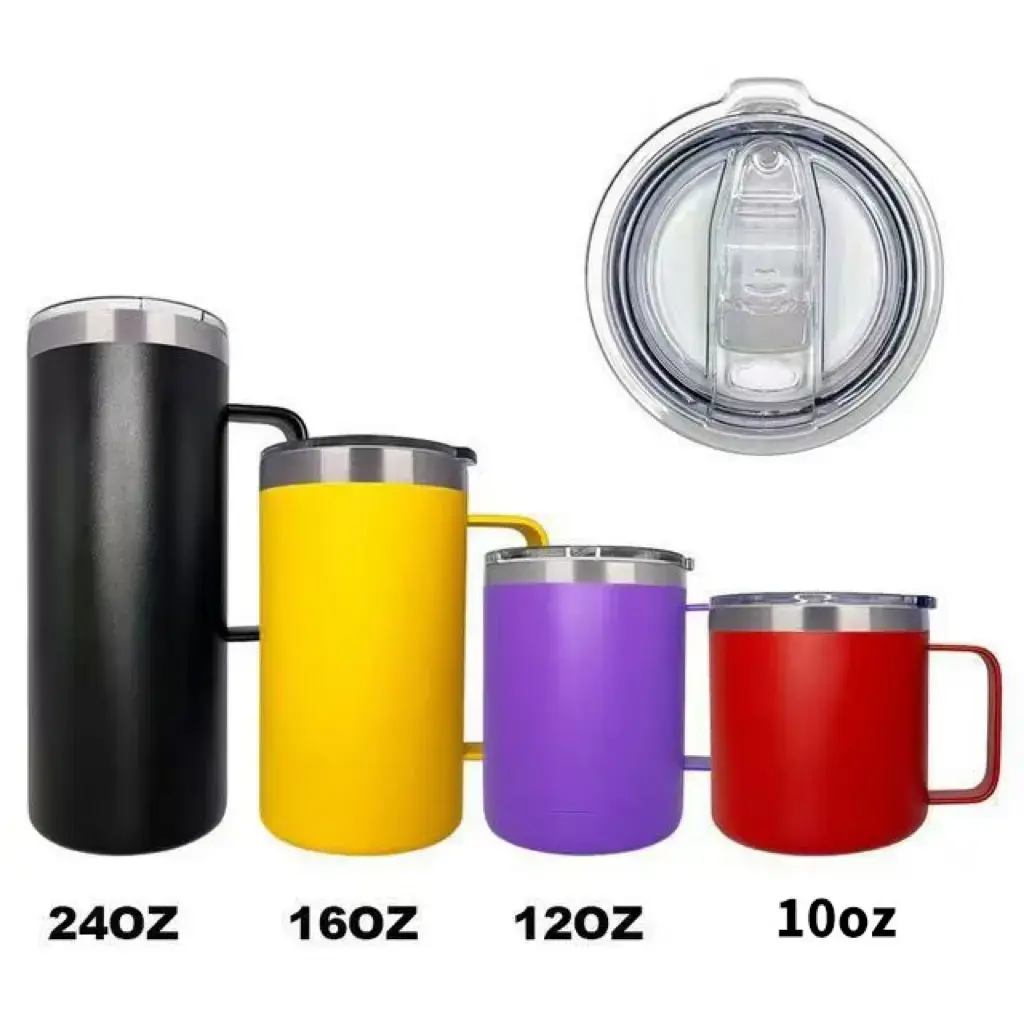
Third, commemorative scenes: The dual enhancement of uniqueness and collection value
Cup sets for commemorative occasions (such as graduation ceremonies, company anniversaries, and weddings) need to be designed with "uniqueness" and "long-term preservation" to become physical carriers that carry memories.
1. Customized theme elements: Concretization of scene symbols
Graduation season cups can be printed with the school emblem, the year of graduation or the words "Class of 20XX" (with clear and durable fonts), and can be paired with simple sketches of campus landmark buildings (such as the clock tower and the library). The company anniversary set should include the enterprise's milestone elements (such as the year of establishment, core business ICONS) and the exclusive "XX Anniversary" logo (ensured to remain colorless for a long time through underglaze painting techniques). Wedding-themed cups can be chosen as double-handled cups (symbolizing a couple walking together) or a set of two cups (each cup body is printed with the initials of the couple's name or the wedding date). The glaze colors are mainly white and champagne gold (conveying a sense of romance and elegance).
2. Collection-level standards for materials and craftsmanship
To enhance the long-term preservation value of commemorative cups, it is recommended to choose high-temperature calcined ceramics (with high glaze hardness and less prone to wear) or crystal glass (with strong light refraction and a more refined visual appearance). In terms of craftsmanship, special techniques such as hand-painted overglaze painting (with rich pattern details), embossing (three-dimensional touch effect), or laser engraving (internal microscopic patterns that require specific light to be displayed) can be adopted to enhance the uniqueness of the product. The supporting elements can include metal nameplates (engraved with commemorative numbers or blessings) or leather collection certificates (indicating the theme and production information), further enhancing the sense of ceremony.
3. Extended design of the set combination
The cup set for commemorative scenes can be expanded into a combination form of "main cup + matching accessories" : for example, the graduation season set can include a main cup + a mini cup (engraved with the class slogan) and a bookmark (echoing the pattern on the cup body). The wedding set can be paired with two matching coffee spoons (engraved with the initials of the newlyweds' names) or a photo folder (for inserting wedding group photos). This combination design not only meets the single usage requirement but also enhances the commemorative significance of the overall gift through the interaction of multiple elements.
Fourth, Summary: The core logic of scenario-based design
The essence of gift cup sets is to convey "emotional value" through "functional carriers". Whether it is the professional rigor of a business setting, the warm atmosphere of a festival setting, or the unique memory of a commemorative setting, a successful combination design must revolve around the "pain points of the target users' needs" and the "cultural symbols of the scene" - from material selection to pattern design, from functional adaptation to supporting extension, every detail is a language of communication with the recipient.
Mastering this scenario-based design logic means being able to provide precisely matched cup solutions for different gift needs - this is not only the key to improving the efficiency of purchasing decisions, but also the core competitiveness for conveying intentions through products and creating long-term emotional connections.