
 +86-13586927333

Thermos cup factory

0102030405
Don't pour this water into the thermos! Be careful of potential health risks from drinking
2025-06-13
With its excellent heat preservation performance, the thermos cup has become a great helper for people to drink water and carry beverages in their daily life. Whether it's a cold winter day or a busy trip, people can always enjoy warm water. However, not all water and beverages are suitable for putting in a thermos. A wrong choice may not only shorten the service life of the thermos but also affect health. Today, let's talk about what kind of water is not suitable for drinking in a thermos.
Acidic beverages: The "Invisible Killer" that damages the inner liner
Acidic beverages like lemon juice, plum soup and orange juice are not suitable for long-term storage in a thermos. The inner liner of a thermos is usually made of metal, and acidic substances can have a chemical reaction with the metal, causing the inner liner to be corroded. For instance, the citric acid in lemon juice, when in a closed and warm environment, will continuously come into contact with the metal inner liner. Over time, the protective layer on the surface of the inner liner will be damaged, which not only affects the service life of the thermos but may also cause heavy metals to leach out and mix into the beverages. Once these contaminated beverages are consumed, long-term accumulation may have adverse effects on the digestive system, nervous system and other parts of the human body.
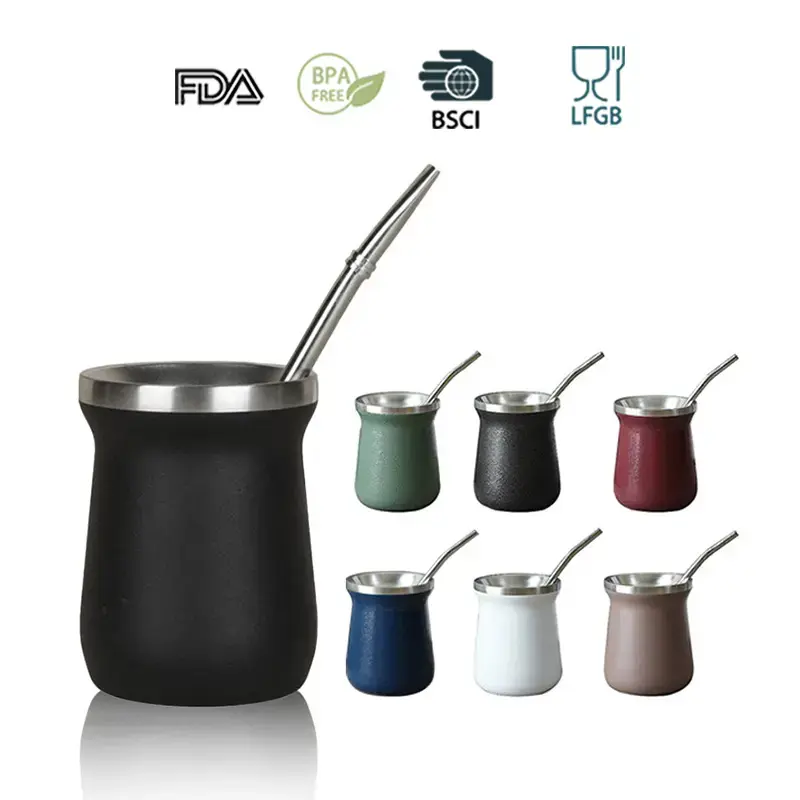
Chinese herbal decoctions: A "breeding ground" for bacteria
Many people are accustomed to using thermos cups to hold traditional Chinese medicine, thinking it is convenient to drink at any time. However, this practice is not scientific. The components of traditional Chinese medicine are complex, containing a large amount of organic matter and microorganisms. The temperature inside the thermos is suitable and the environment is sealed, creating excellent conditions for the breeding and reproduction of bacteria. Even if the traditional Chinese medicine is hot before being poured into the thermos, as time goes by and the temperature gradually drops, bacteria will still grow rapidly. Drinking traditional Chinese medicine contaminated by bacteria may cause gastrointestinal discomfort symptoms such as abdominal pain and diarrhea, which is actually not good for health.
Milk and soy milk: They lose nutrients and are prone to spoilage
Milk and soy milk are rich in nutrients such as protein, fat and sugar. In the closed environment of a thermos, the higher temperature will accelerate their spoilage process. On the one hand, high temperatures can cause the proteins in milk and soy milk to denature, destroy their nutritional structure and reduce their nutritional value. On the other hand, an appropriate temperature promotes the rapid reproduction of microorganisms, generating acidic substances that cause the beverage to turn sour and clump. If one accidentally drinks spoiled milk or soy milk, it is very likely to cause symptoms of food poisoning such as vomiting and diarrhea.
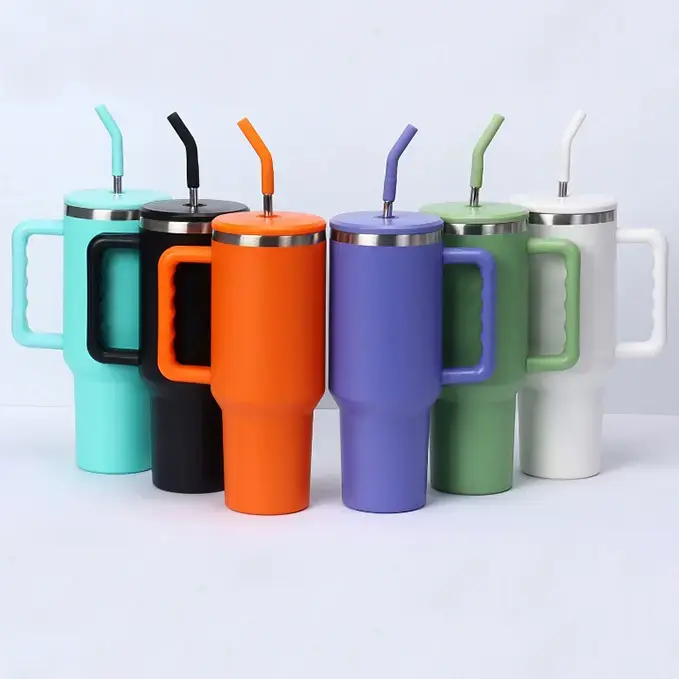
Carbonated beverages: Dangerous molecules that cause "explosions"
Carbonated beverages such as cola and Sprite continuously produce carbon dioxide gas when sealed. After filling them into thermos cups, as the temperature rises, the solubility of carbon dioxide decreases, and a large amount of gas is released, causing the pressure inside the cup to increase sharply. Once the lid of the cup is suddenly opened, high-pressure gas is released instantly, which may cause the drink to gush out, not only dirtying clothes but also potentially causing burns. At the same time, the acidic substances in carbonated beverages can also cause corrosion to the inner liner of the thermos.
The original intention of using a thermos is for convenience and health, but incorrect usage methods can instead bring negative effects. When using a thermos, try to only fill it with plain boiled water or light tea water. For other special beverages, it is best to choose a dedicated container for storage. This not only protects the performance of the thermos and extends its service life, but also ensures that every sip of the drink entering the mouth is safe and healthy.