
 +86-13586927333

Thermos cup factory


0102030405
Egg-shaped design and traditional cup shape: Unveiling the Aesthetic Code of Vogue Cups in Overseas Markets
2025-12-19
Egg-shaped design and traditional cup shape: Unveiling the Aesthetic Code of Vogue Cups in Overseas Markets
The curve of a glass cup quietly differentiates the aesthetic preferences of consumers in different countries. Research has found that the response to cup-shaped design has constituted a complex topic in consumer behavior studies.
When a uniquely designed cup is placed in front of you, some people will stop by its novel egg-shaped outline, while others prefer the classic and stable traditional cylindrical cup shape.
Behind this seemingly subjective preference lies the embodiment of the product Visual Aesthetic Centrality (CVPA) theory in real consumption scenarios. Understanding this rule is crucial for grasping the pulse of overseas markets.
01 Design Divergence: From "Direct Expression of Feelings" to "Curving Narrative
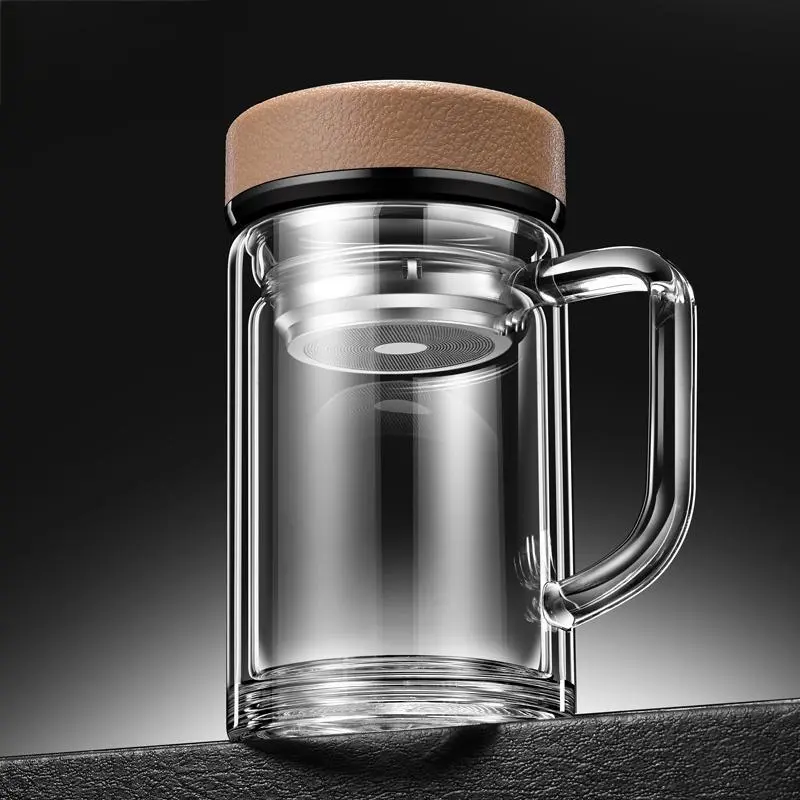
The design language of traditional cup shapes, whether they are the classic straight high cups or the thick mugs, is often straightforward and function-oriented. They are like a reliable old friend, emphasizing a stable feel, clear capacity and the practicality of easy cleaning.
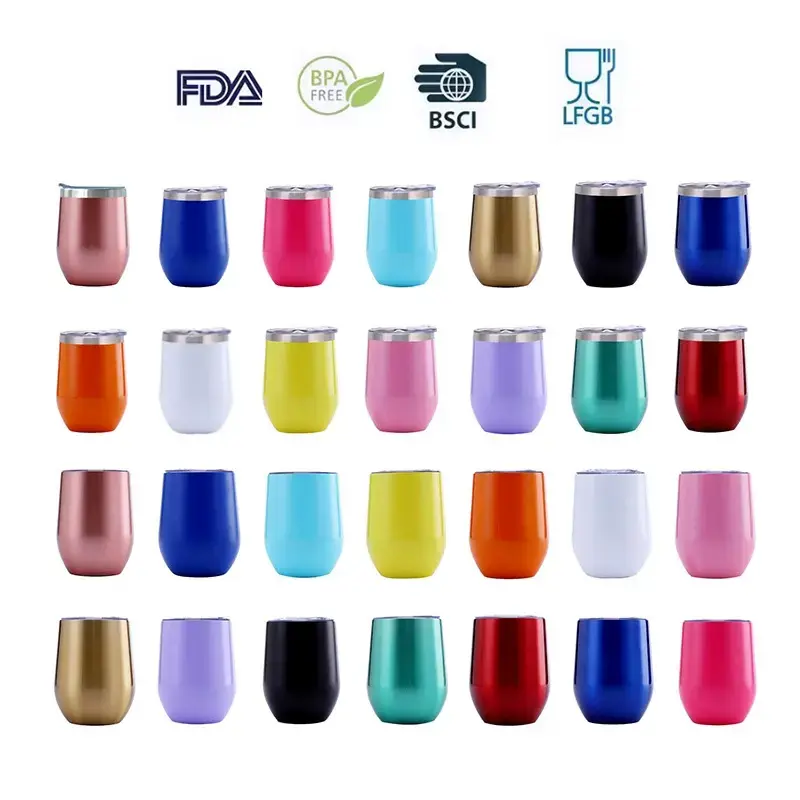
This design is no longer content with merely being a container for liquids, but attempts to become the visual focus on the dining table or in daily life scenarios. Its inspiration may come from nature (such as pebbles), retro aesthetics or modern art, and its primary function is to stimulate aesthetic pleasure and express personal taste.

02 Consumer Decoding: Aesthetic Maps of Different CVPA Groups
According to the CVPA theory, consumers can be roughly classified into three groups - high, medium and low - based on their aesthetic sensitivity and the degree of emphasis on product design. Their reactions to the cup-shaped design were completely different.
For the high CVPA community, they are deep "design readers". The uniqueness, symbolic meaning and artistic value of egg-shaped designs are the core factors that attract them.
Buying a design cup is equivalent to collecting a miniature art piece, which can bring them a strong emotional resonance and aesthetic satisfaction.
The medium-sized CVPA group constitutes the diverse backbone of the market. They both appreciate the ingenuity of the design and never compromise on the core practicality.
A successful egg-shaped design must clearly demonstrate to them how an innovative shape optimizes the ergonomics of holding or how it makes the drink look more appealing. They are devoted believers in the principle that "form follows function".
The group with low CVPA is even more direct. They regard cups as purely functional tools. Traditional, familiar, cost-effective and durable cup shapes are their top choice.
The overly advanced egg-shaped design may confuse them and even make them doubt its stability and the difficulty of cleaning. To win their trust, it is necessary to rely on impeccable quality and clear use value.
03 Market Preference Analysis: Opportunities and Challenges of Egg-shaped Design
By understanding the consumer profile, we can more clearly see the positioning of different cup shapes in overseas markets.
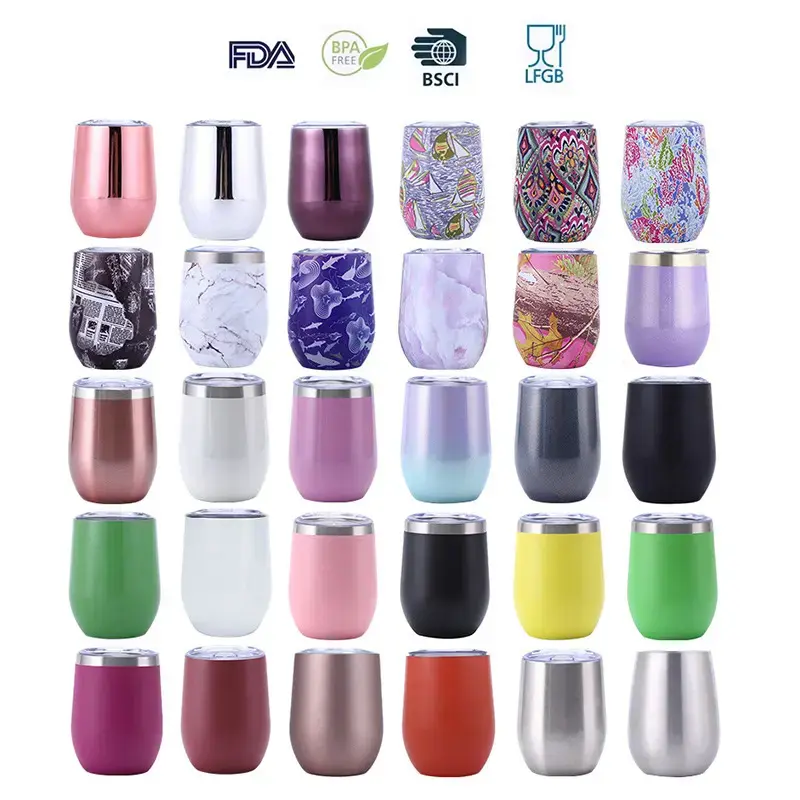
The advantage of egg-shaped and irregular-shaped designs lies in their strong visual appeal and differentiation. In the era of social media, a "photogenic" cup can spontaneously trigger dissemination and attract consumers who pursue lifestyle expression.
Such products are often deeply integrated with scenarios like "picnics", "family cafes", and "refined living", thereby achieving a higher emotional premium.
Its challenges are equally obvious. Its audience profile is relatively vertical, mainly consisting of people with high CVPA and a portion of those with medium CVPA. It may require more market education to convey the story and value behind the design.
At the same time, its production process and logistics costs are usually higher, which puts forward more refined requirements for the supply chain.
The traditional classic cup shape enjoys the broadest mass base and extremely high market acceptance. Its advantages lie in stable demand, a mature supply chain and clear usage scenarios.
For B2B procurement that pursues stable sales volume or markets that emphasize cost performance and durability, it is an unshakable choice.
The challenge lies in the severe homogeneity of products, fierce competition, difficulty in establishing a unique brand recognition, and the profit margin is also more likely to be squeezed.
04 Design Strategy Integration: The Fulcrum for Balancing Aesthetics and the market
A successful cup-shaped design strategy is often not an either-or choice, but rather finding an innovative balance point based on an understanding of the CVPA stratification of consumers.
One approach is "classic outline, innovative details". On the overall structure of the traditional cup shape, a simple modern sense is injected by changing the arc of the cup mouth, the curve of the cup wall or adding a unique waistline.
This way, it not only maintains familiarity and practicality but also has a memorable point that catches the eye. Some products of the century-old German brand Koziol are precisely examples of this.
Another approach is "avant-garde form, returning to practicality". Even a bold egg-shaped design requires careful consideration of the center of gravity when held, the stability of the bottom of the cup, and the comfort of contact with the lips.
Ensuring that innovative designs do not come at the expense of the fundamental drinking experience is the key to winning the favor of the mid-level CVPA community. Design should not be a self-admiring "code" for designers, but a "decoding" that consumers can easily understand and love.
For overseas markets, the competition between egg-shaped designs and traditional cup-shaped designs is essentially a dialogue between two consumption logics: emotional value-driven and functional value-driven.
The future winners may not be any one party, but rather those products that can deeply understand different CVPA consumer groups and precisely respond to their deep-seated needs with design language.
When a cup can not only hold beverages steadily but also properly accommodate aesthetics, it transcends itself as an object and becomes an emotional bond connecting the brand and consumers.