
 +86-13586927333

Thermos cup factory

0102030405
High-Temperature Resistant Design: Safe Boiling Water Use
2025-11-20
When choosing a water cup, high-temperature resistance is one of the key indicators to measure its safety and practicality. Especially for scenarios where boiling water needs to be directly poured in (such as brewing hot tea, coffee or instant beverages), the material and structure of the water cup must be able to withstand high temperatures without deforming or releasing harmful substances. This article will delve into the design principles, safety advantages of high-temperature resistant Water Cups, and how to select products that meet high-temperature usage requirements, helping you make wiser purchasing decisions.
1.The core design elements of high-temperature resistant water cups
A water cup that can safely withstand boiling water is usually designed around the following key factors
(1)Material selection
High-temperature resistant water cups are usually made of materials such as high borosilicate glass, food-grade stainless steel, ceramics or heat-resistant plastics (such as PP, TRITAN). These materials have excellent heat resistance and can remain stable in high-temperature environments without cracking or releasing harmful substances due to sudden temperature changes.
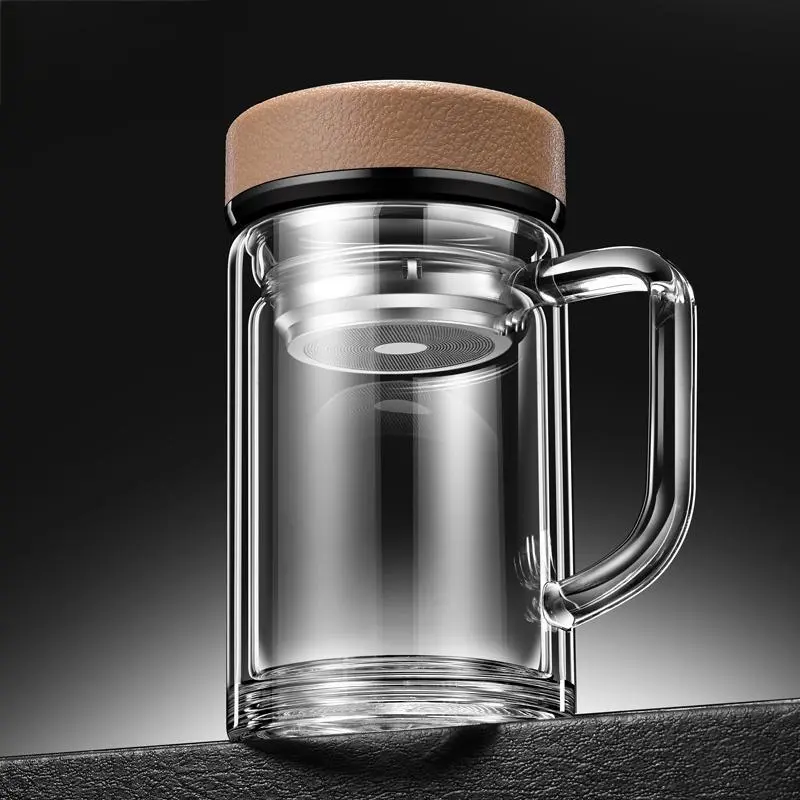
• High borosilicate glass: With a low coefficient of expansion, it can withstand temperature differences ranging from -30℃ to 150℃ and is a commonly used heat-resistant material in laboratories and high-end water cups.
Food-grade stainless steel: such as 304 or 316 stainless steel, it features excellent corrosion resistance and high-temperature resistance, making it suitable for thermos flasks or direct drinking cups.
• Ceramics: Naturally heat-resistant, but it is necessary to ensure that the glaze surface does not contain harmful substances such as lead.
Heat-resistant plastics (such as PP, TRITAN) : Some high-end plastic water cups can withstand temperatures above 100℃, but the specific heat resistance limit of the material needs to be confirmed.
(2) Structural stability
Apart from the material, the structural design of the water cup also affects its high-temperature resistance. For example:
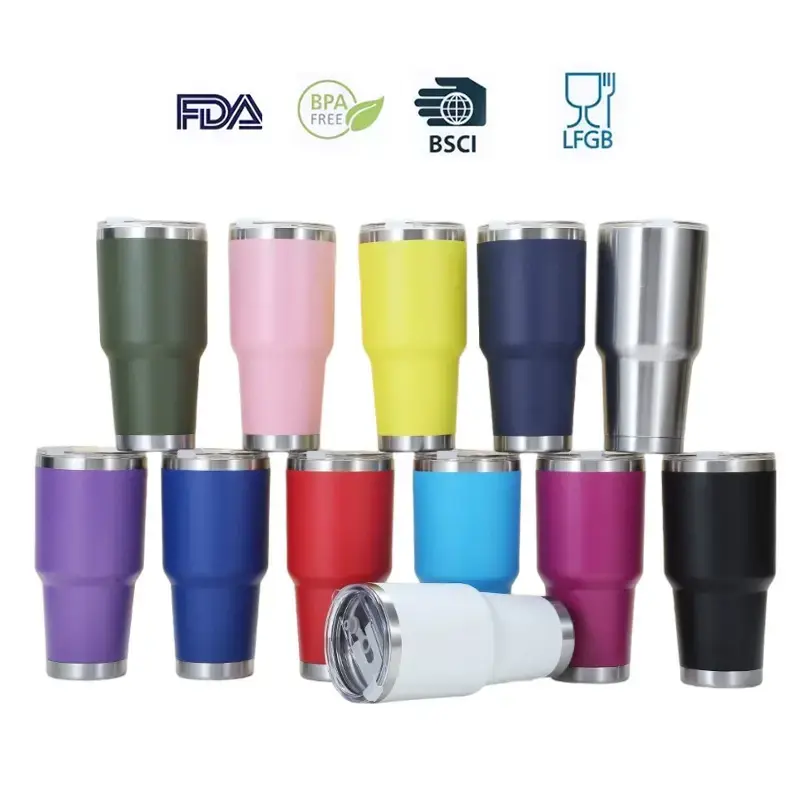
The double-layer vacuum structure (commonly found in thermos flasks) can effectively insulate heat, prevent scalding, and at the same time maintain the high temperature of the liquid inside.
The single-layer thick-walled design (such as glass or ceramic cups) relies on the inherent heat resistance of the material and is suitable for direct heating or pouring boiling water.
2. The safety advantage of directly pouring boiling water
(1) Avoid the release of harmful substances
Poor-quality water cups may release BPA (bisphenol A), plasticizers or other chemicals at high temperatures, and long-term exposure may affect health. The high-temperature resistant water cup is made of food-grade materials, ensuring safety even in boiling water environments and not generating toxic substances.
(2) Prevent deformation or cracking
Ordinary plastic or low-quality glass cups may deform, crack or even burst due to thermal expansion and contraction when boiling water is poured in, posing a safety hazard. The high-temperature resistant water cup has undergone special processing to withstand sudden temperature changes and ensure stability during use.
(3) Enhance user experience
A water cup that can directly pour boiling water into it eliminates the trouble of additional heating steps and is suitable for various scenarios such as offices, homes, and outdoors. Whether it's brewing tea, coffee, or quickly heating beverages, we can provide convenient and safe solutions.
3. How to determine if a water cup is truly heat-resistant?
When purchasing, the high-temperature resistance performance of the water cup can be confirmed through the following methods:
(1) Check the material description
• High borosilicate glass: Usually marked as "heat-resistant -30℃ to 150℃" or "can withstand boiling water".
• Stainless steel: Confirm whether it is 304 or 316 food-grade stainless steel. These materials are suitable for high-temperature environments.
• Plastic: Prioritize PP (polypropylene, heat-resistant up to 120℃) or TRITAN (heat-resistant above 100℃), and avoid ordinary PC plastic (not heat-resistant).
(2) Test reports and certifications
High-quality suppliers usually offer safety certifications such as FDA, LFGB, and SGS to prove that their materials meet high-temperature usage standards. These certifications can ensure that water cups do not release harmful substances in high-temperature environments.
(3) Verification in actual usage scenarios
High-temperature resistant water cups should be able to withstand the following conditions:
Pour it directly into freshly boiled water (100℃) without deformation or peculiar smell.
Alternating between hot and cold usage (such as filling ice water first and then pouring boiling water) will not cause cracking due to temperature differences.
4. Applicable scenarios for high-temperature resistant water cups
• Office/Home: Brew hot tea or coffee directly without worrying about the cup deforming or releasing harmful substances.
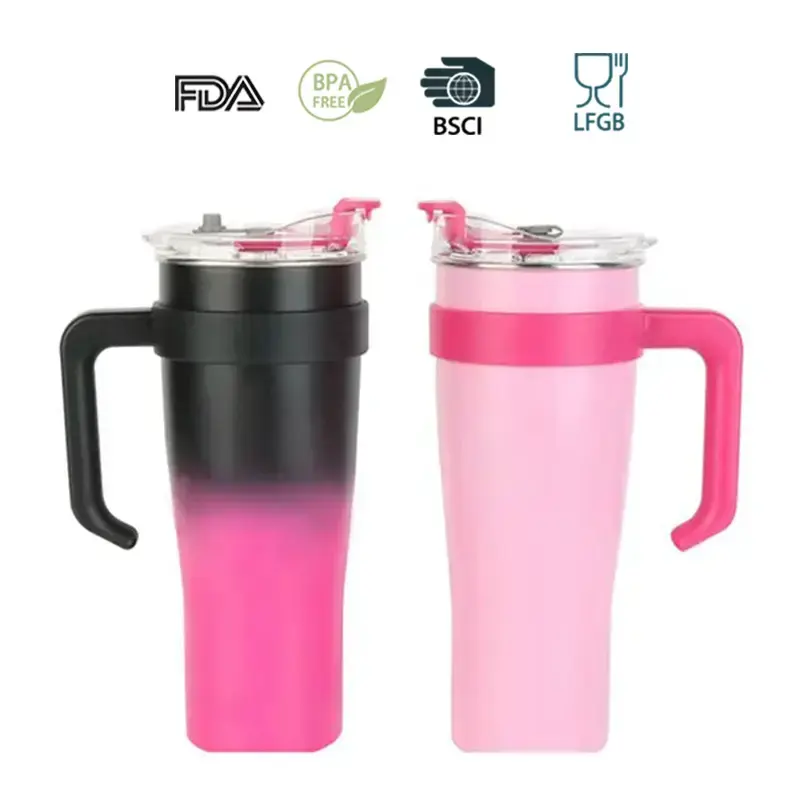
• Outdoor/Travel: Thermos cups or high-temperature resistant sports cups can keep beverages warm for a long time.
• Laboratory/Medical: High borosilicate glass cups are suitable for storing high-temperature liquids, ensuring safety and no contamination.
5. Conclusion
The core advantages of high-temperature resistant water cups lie in their safety, stability and practicality. Whether it is material selection, structural design, or certification standards, all directly affect whether it can truly withstand boiling water without deforming or releasing harmful substances. For users who value health and quality, choosing a truly heat-resistant water cup not only enhances the user experience but also ensures long-term safety during use.
When making a purchase, it is recommended to give priority to water cups made of high borosilicate glass, food-grade stainless steel or high-quality heat-resistant plastic, and confirm that they have relevant safety certifications. In this way, whether for daily use or commercial procurement, it can be ensured that every cup of hot drink is safe and worry-free.