
 +86-13586927333

Thermos cup factory

0102030405
How to Choose the Perfect Insulated Cup: A Comprehensive Guide
2025-07-08
When it comes to staying hydrated on the go, an insulated cup is an essential accessory. Whether you're sipping hot coffee in the morning, enjoying iced tea in the afternoon, or keeping your smoothie cool during a workout, having the right insulated cup can make all the difference. But with so many options available, how do you choose the perfect one? This guide will help you navigate the world of insulated cups by focusing on three key factors: material, capacity, and design.
Material: The Foundation of Your Insulated Cup
The material of your insulated cup plays a crucial role in determining its durability, insulation effectiveness, and overall quality. Here are the most common materials and their benefits:
Stainless Steel
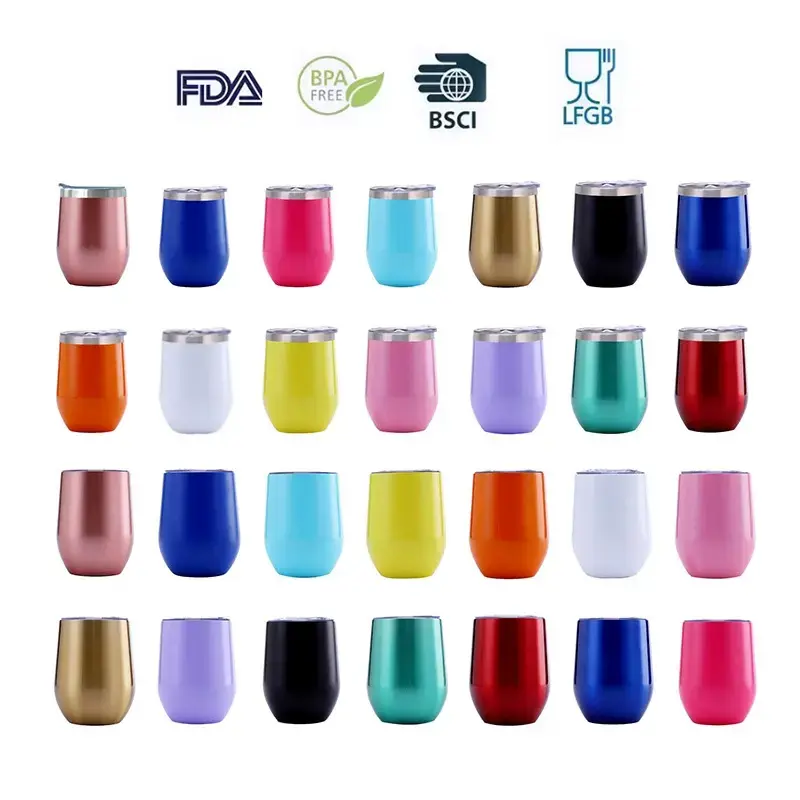
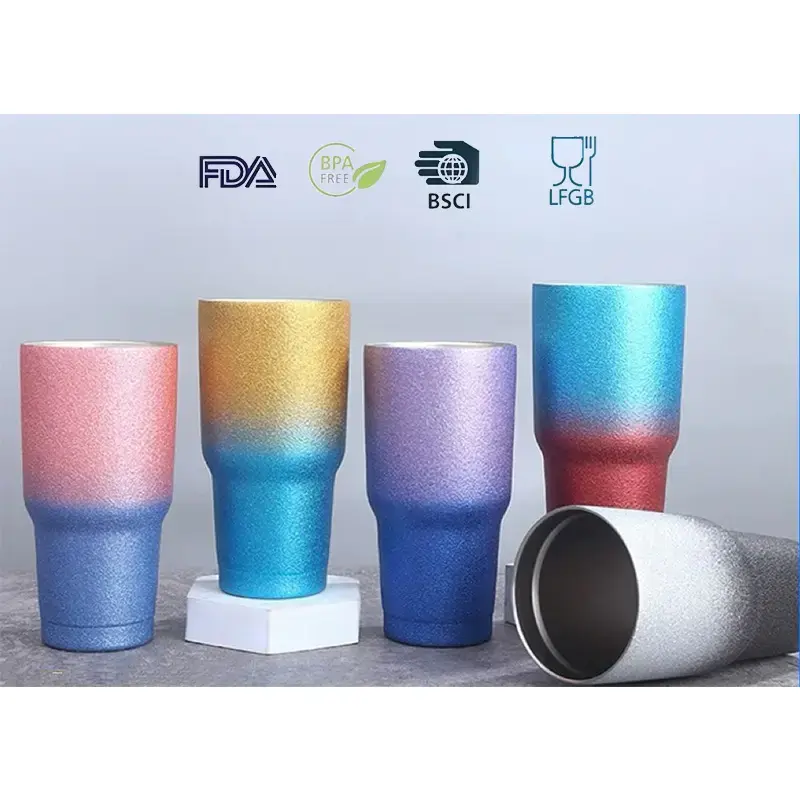
Stainless steel is the go - to material for many insulated cups.It offers excellent thermal retention, keeping your drinks hot or cold for extended periods. Stainless steel is also highly durable, resistant to rust and corrosion, and easy to clean. Additionally, it's lightweight, making it a practical choice for on - the - go use. However, Stainless Steel Cups can sometimes feel cold to the touch when holding cold liquids and may not be as shatter - resistant as other materials.
Glass
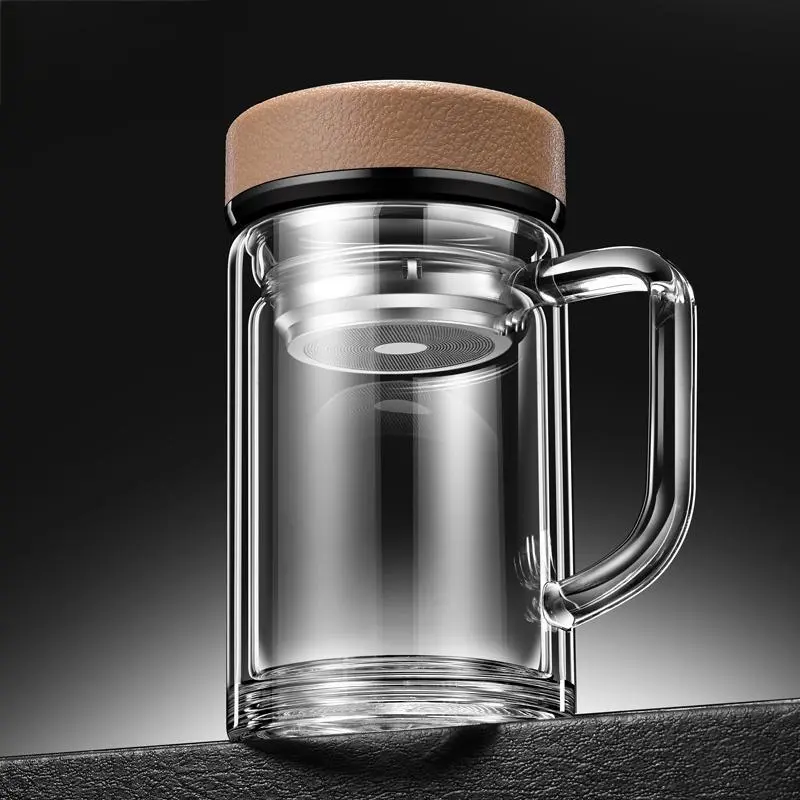
Glass insulated cups are known for their elegant appearance and ability to preserve the taste of your beverages. They are non - porous, which means they won't retain any flavors or odors from previous drinks. Glass is also easy to clean and can be dishwasher - safe. However, glass cups are heavier and more fragile than stainless steel options, making them less suitable for rough - and - tumble activities. They are best for indoor use or when you need to maintain the purity of your drink's flavor.
Plastic
Plastic insulated cups are lightweight and shatter - resistant, making them a great choice for outdoor activities, sports, and use by children. They come in a variety of colors and designs, adding a fun element to hydration. However, plastic cups may not retain temperature as effectively as stainless steel or glass. Additionally, some plastics can absorb odors and flavors over time, which might affect the taste of your drinks.
Capacity: Finding the Right Size for Your Needs
The capacity of your insulated cup should be based on your daily hydration needs and lifestyle. Here are some considerations to help you choose the right size:
Small - Sized Cups (8 - 12 oz)
Small - sized insulated cups are perfect for those who prefer to sip their drinks slowly throughout the day. They are lightweight and easy to carry, making them ideal for commuting, office use, or short trips. If you don't need to drink large quantities at once, a smaller cup can be a convenient and practical choice.
Medium - Sized Cups (16 - 20 oz)
Medium - sized cups are the most versatile option. They offer enough capacity to keep you hydrated without being too bulky to carry around. These cups are suitable for a wide range of activities, from daily use to outdoor adventures. If you drink multiple cups of coffee or tea a day, a medium - sized insulated cup can help you reduce the number of times you need to refill.
Large - Sized Cups (24 oz and above)
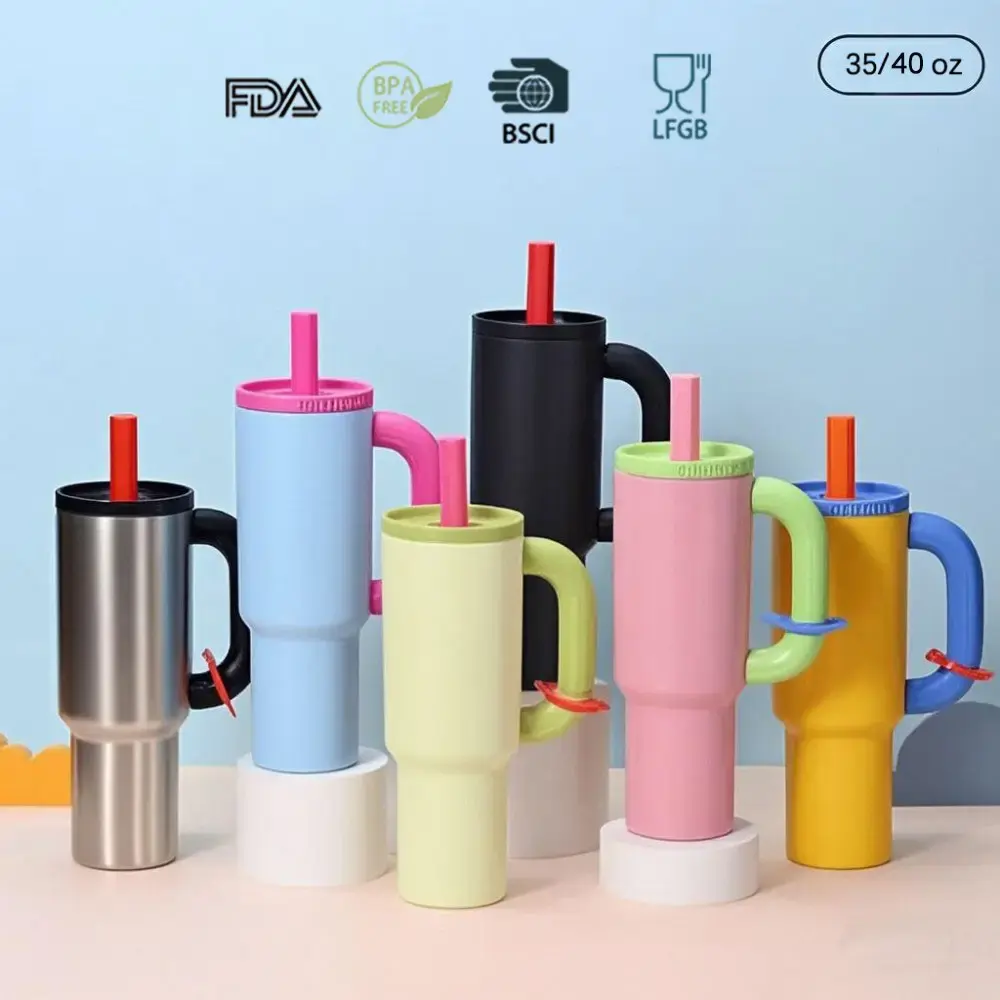
Large - sized insulated cups are designed for those who need to stay hydrated throughout the day without constantly refilling. They are perfect for long - distance travelers, athletes, or anyone who needs to drink a lot of fluids. However, larger cups can be heavier and more cumbersome to carry, so consider whether the added capacity is worth the extra weight.
Design: Aesthetic and Functional Considerations
The design of your insulated cup can impact both its functionality and aesthetic appeal. Here are some design elements to consider:
Lid Type
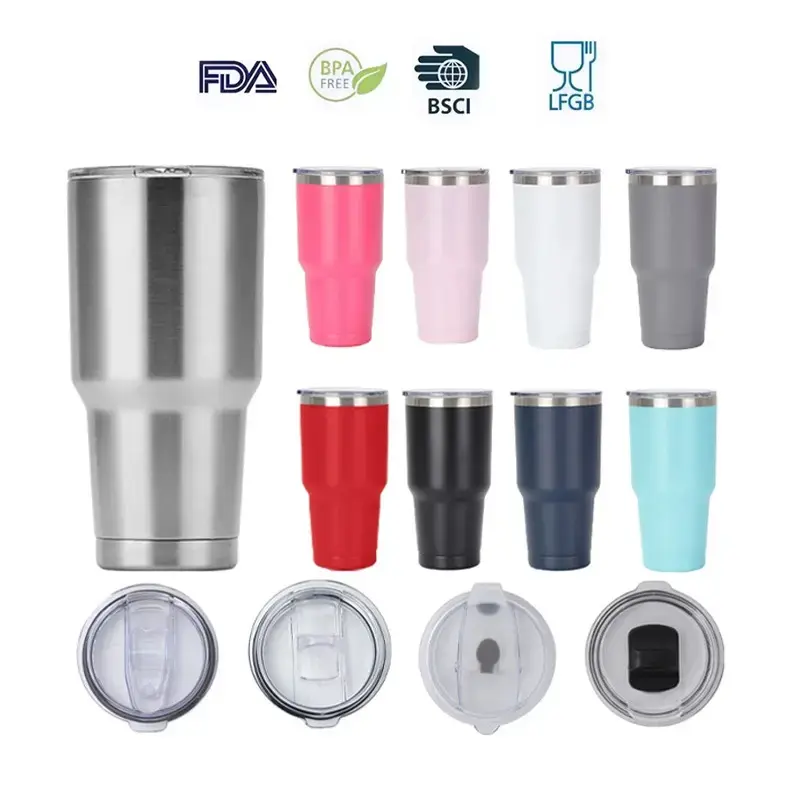
The type of lid can significantly affect the usability of your insulated cup. Some common lid options include:
- Screw - on Lids: These lids provide a tight seal, preventing leaks and spills. They are ideal for carrying your cup in a bag or backpack.
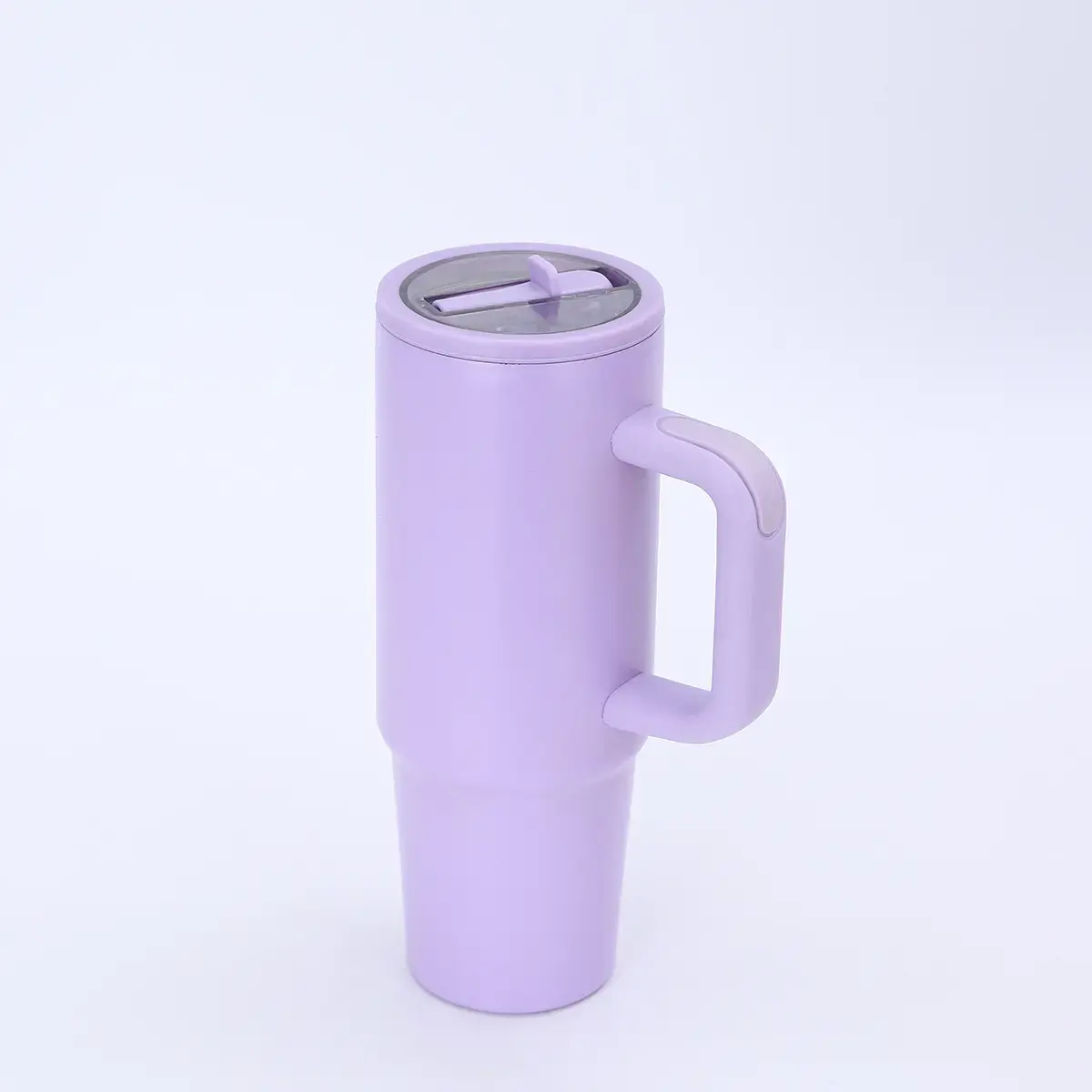
- Flip - Top Lids: These lids are easy to open and close with one hand, making them convenient for on - the - go use. They often come with a built - in straw or sipping spout.
- Press - and - Sip Lids: These lids require you to press a button to open the spout, which helps prevent spills. They are a good choice for those who want to avoid accidental leaks.
Grip and Comfort
The grip of your insulated cup can make a big difference in how comfortable it is to hold. Look for cups with ergonomic designs, textured surfaces, or non - slip coatings that provide a secure grip. This is especially important if you plan to use your cup during physical activities or in cold weather.
Aesthetic Appeal
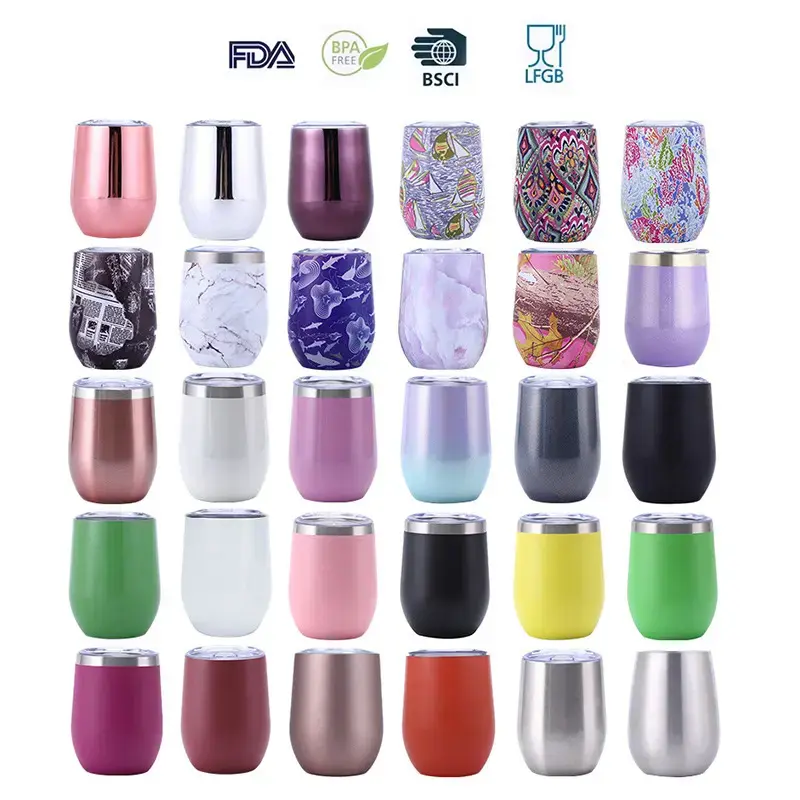
Finally, consider the aesthetic appeal of your insulated cup. Choose a design that matches your personal style and fits well with your daily routine. Whether you prefer a sleek, minimalist look or a colorful, fun design, there are plenty of options to choose from.
Conclusion
Choosing the perfect insulated cup involves considering several factors, including the material, capacity, and design. Stainless steel offers excellent insulation and durability, while glass preserves flavors and is easy to clean. Plastic is lightweight and shatter - resistant. When it comes to capacity, small - sized cups are great for sipping, medium - sized cups are versatile, and large - sized cups are ideal for heavy drinkers. Finally, consider the type of lid, grip, and overall design to ensure your cup is both functional and stylish.
By taking these factors into account, you can find an insulated cup that meets your needs and enhances your daily hydration routine. For international wholesale procurement agents, understanding these key considerations can help identify the most suitable products for a diverse range of consumers, ensuring that your offerings cater to various preferences and lifestyles.