 +86-13586927333

Thermos cup factory

0102030405
Hygiene design standards for straw cups: How to prevent bacterial growth from the source
2025-12-15
Hygiene design standards for Straw Cups: How to prevent bacterial growth from the source
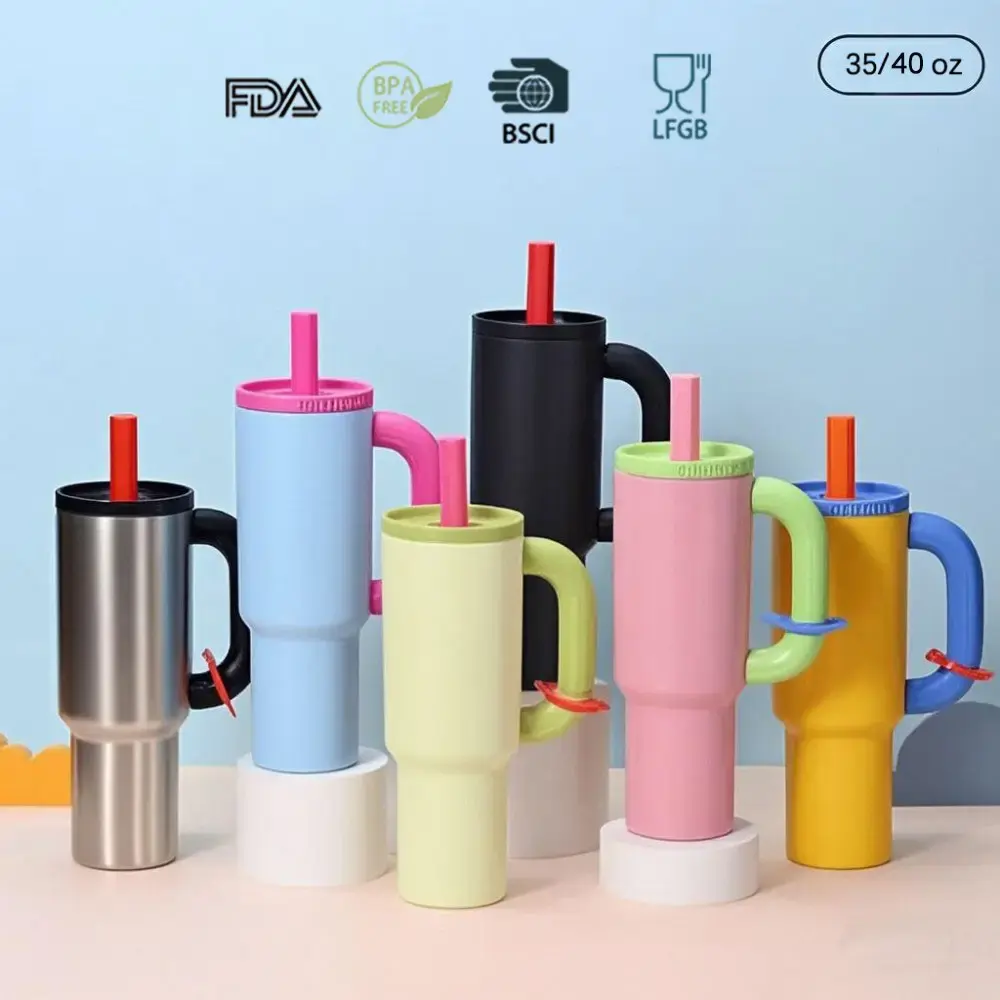
In the circle of catering packaging and portable beverage solutions, we are increasingly discussing a topic - the hygiene design standards for straw cups. Not all cups are inherently "clean", especially in scenarios of high-frequency use or mass supply. A cup shape with inadequate details is very likely to become a breeding ground for bacteria. This is also why an increasing number of B2B customers pay special attention to the antibacterial structure logic of the equipment when evaluating product lines.
I have been in this industry for many years and have explored everything from the supply chain to terminal applications. I have found that many problems can actually be avoided during the design stage. Sanitary design is not merely about meeting material standards; it is a systematic consideration that spans structure, process, and usage path.
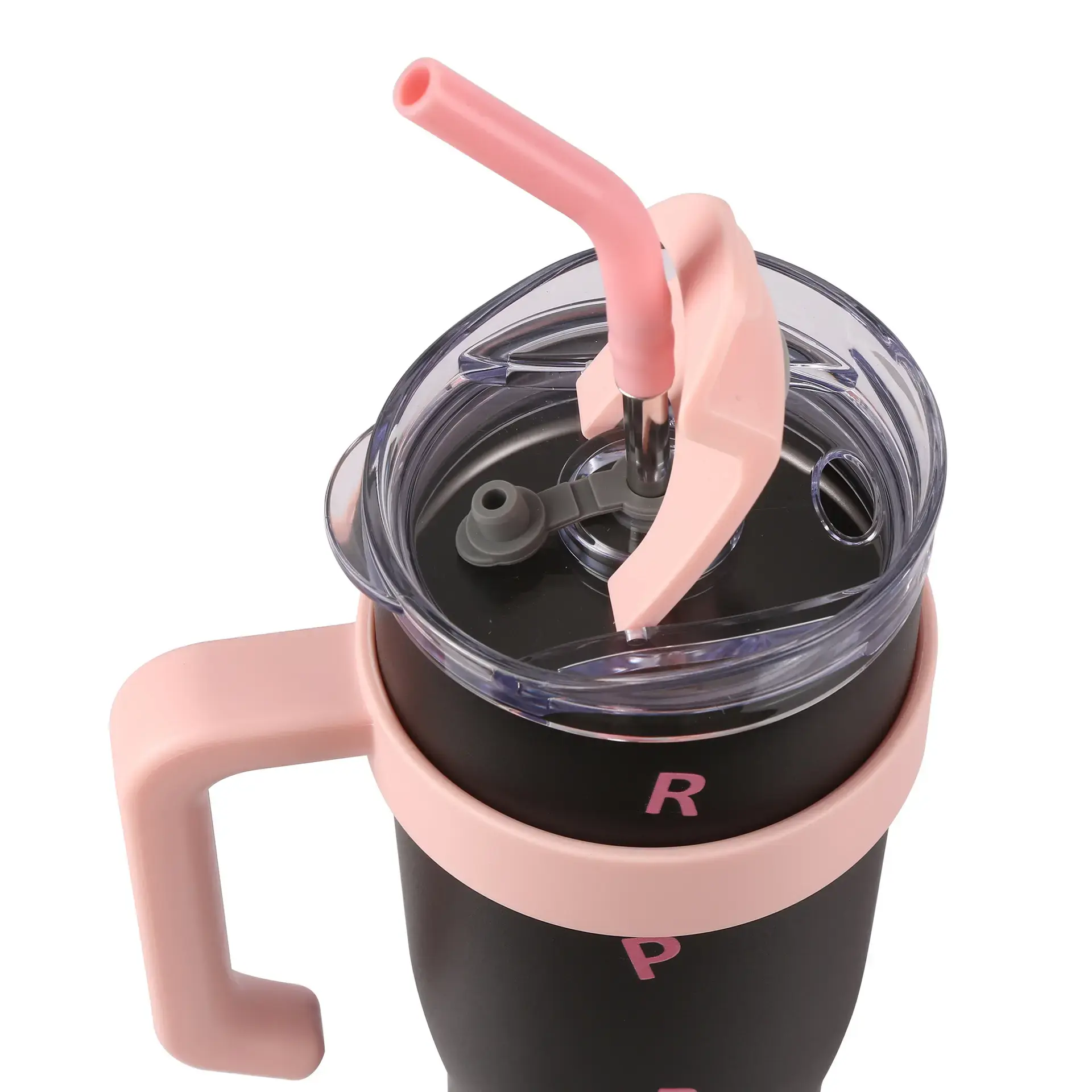
Let's start with the most dirt-prone areas - the interface of the straw and the sealing area of the cup lid. The traditional snap-on structure is prone to creating dead corners. When liquid remains for a long time, it becomes a "culture dish" for microorganisms. The practice that conforms to modern hygiene design standards is to adopt a one-piece injection molding or seamless connection structure to reduce the number of gaps and assembly parts. At the same time, the inner wall corners should be treated with a large arc as much as possible to leave no place for dirt to settle. This type of design is also more convenient in transportation, cleaning and stacking. For partners engaged in bulk supply, this is the key to reducing hidden costs.
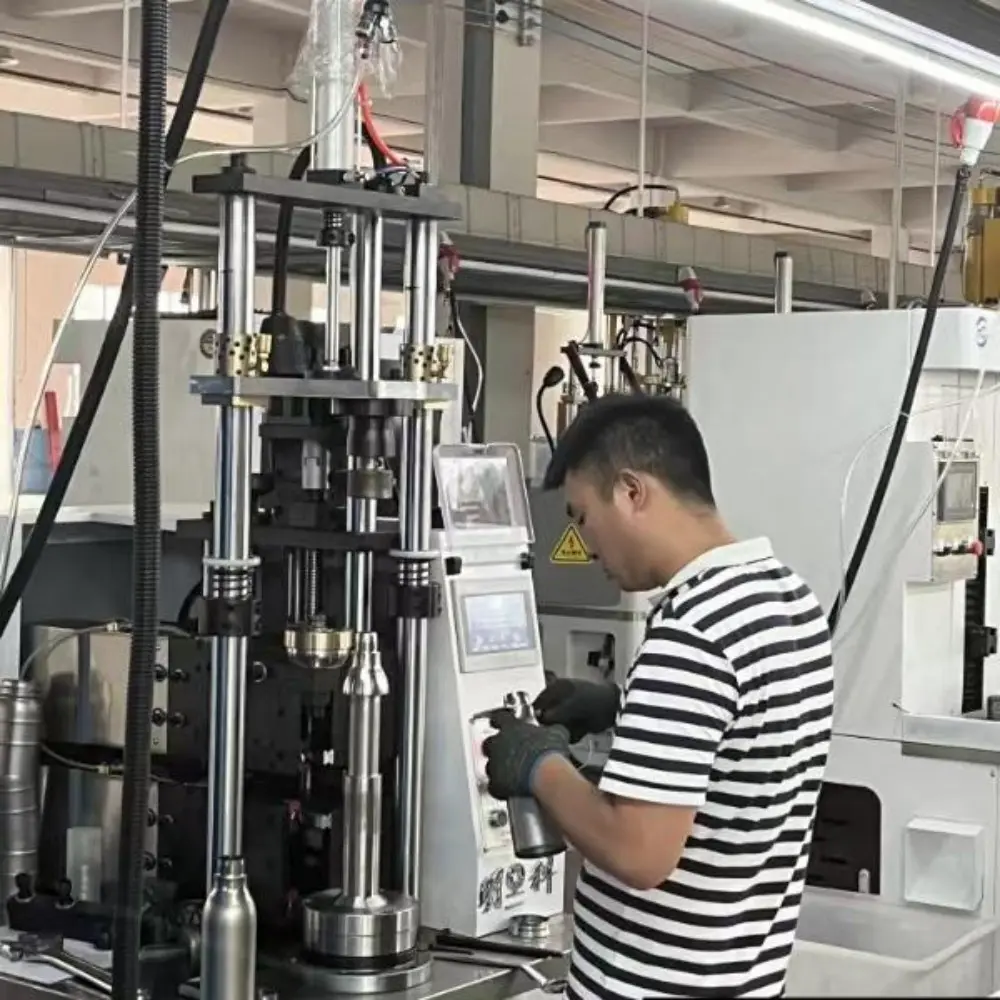
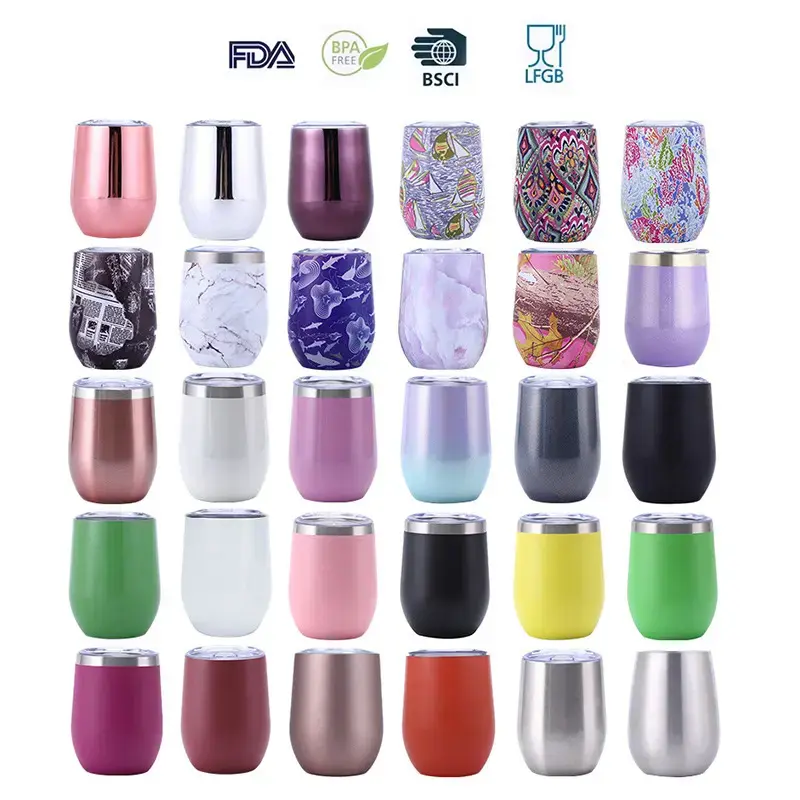
Let's talk about material selection again. Food-grade Tritan, PPSU or medical-grade silicone are often used in parts that come into contact with liquids. They not only have good heat resistance and strong hydrolysis resistance, but also are not prone to adsorbing odors and pigments. Some low-cost cup models, in order to lower their prices, mix recycled materials with new ones. After multiple high-temperature sterilizations, the surface is prone to micro-pores, making it easier for bacteria to colonize. When we assess a factory's production capacity, we will closely examine its raw material traceability and batch stability. This is more practical than simply asking "Can it pass the FDA/LFGB?"
Vent holes and leak-proof valves are also easily overlooked hygiene nodes. If air enters the cup cavity directly without passing through the filter material during inhalation, external particles may be carried into the liquid along with the airflow. Some higher-standard straw cups are equipped with micro-porous filter membranes or labyrinth air ducts on the air intake path, which not only ensures leak-proof performance but also reduces the contamination path. This is particularly meaningful for customers who pay attention to the use in public scenarios, such as canteens, shared offices, school rationing and other environments.

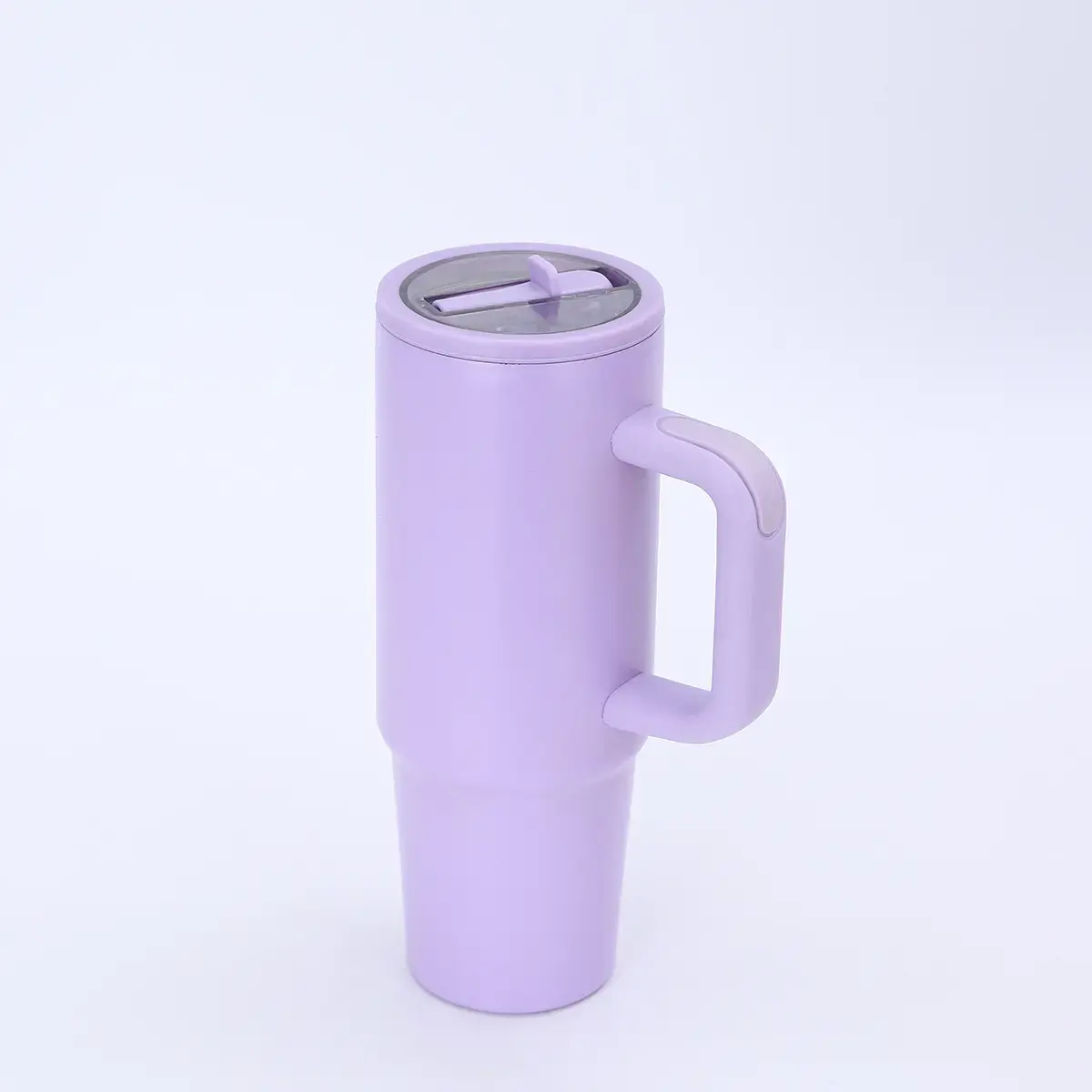
In batch operations, the feasibility of cleaning and disinfection must be considered in advance. Hygiene design is not only aimed at consumers, but also at enabling kitchen staff or service personnel to work efficiently. For instance, the ratio of the diameter of the cup mouth to the diameter of the straw should facilitate the entry of the scrubbing tool, leaving no blind spots that are out of reach. The screw cap design without exposed threads can prevent cleaning agents from accumulating in the fine grooves. Many factories only focus on the appearance when making samples, but truly durable and easy-to-clean structures are often refined through repeated tests and iterations.
Another frequently asked point is whether detachable and washable parts should be used to improve hygiene. Theoretically, disassembly is more convenient for cleaning, but if the precision of the snap is insufficient, it will instead increase the assembly gap and the risk of use. A mature solution is to assess the frequency of use and cleaning conditions, and strike a balance between "easy disassembly" and "stable sealing", rather than blindly pursuing a large number of parts.
Ultimately, the core of preventing bacterial growth lies in incorporating "cleaning" into the design of every step of the product life cycle, rather than relying on remedial measures later on. For brand owners and channel partners engaged in B2B straw cup customization and bulk purchasing, understanding and implementing these hygiene standards is not only a bargaining chip to enhance product credibility but also a hard power to establish differentiation in the highly competitive market.
We often tell our team that hygiene is not an additional function but a fundamental character trait. Especially in scenarios where usage is frequent and shared among multiple people, a cup shape that can stand up to scrutiny at the micro level can make people feel at ease when using it and also enable cooperation to go further.