
 +86-13586927333

Thermos cup factory

0102030405
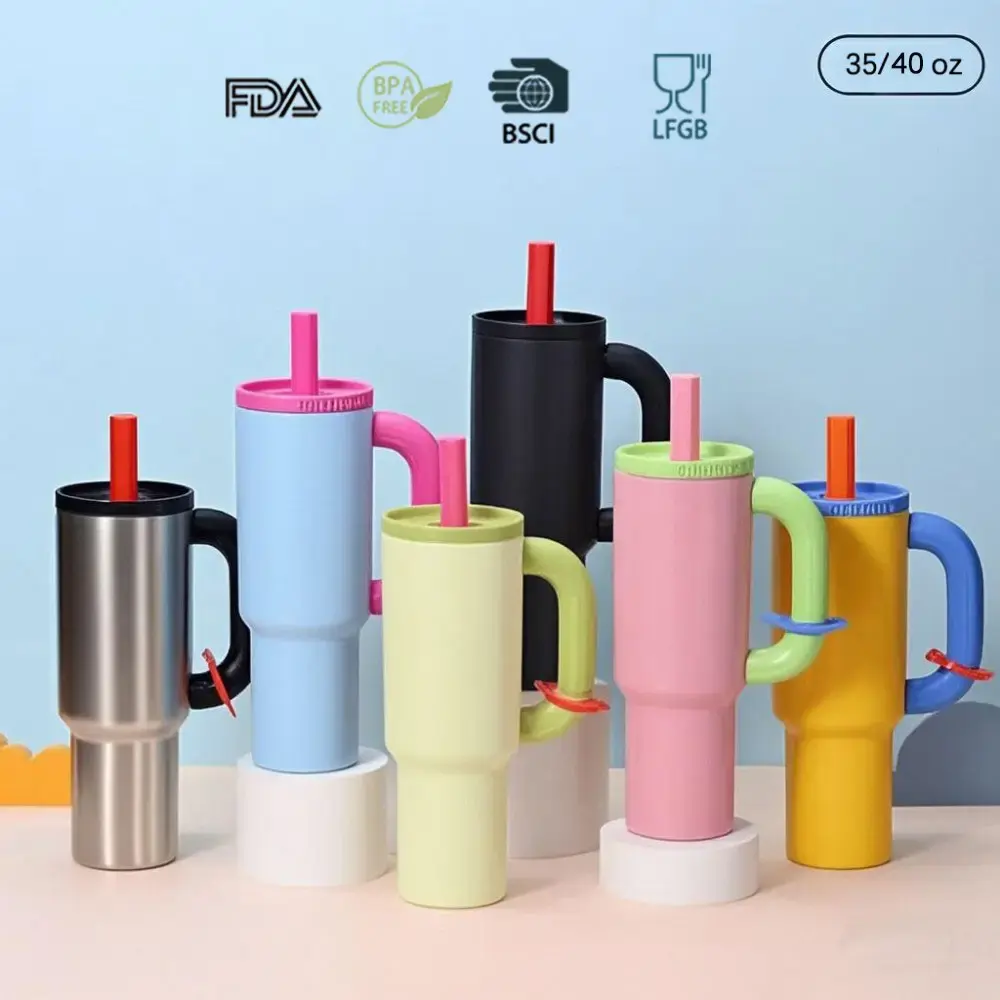
Revolutionary Rotatable Handle Cup for All Users!
2025-11-03
In the design of daily drinking utensils, the convenience of the handle directly affects the user experience. Traditional cups usually have fixed handles. Although they can meet the needs of most people, for left-handed users or special usage scenarios (such as desks or driving environments), the fixed grip direction may cause inconvenience. In recent years, rotatable handle cups have gradually become the focus of market attention. Their flexible design not only enhances the comfort of use but also solves the problem of being compatible with both hands. This article will delve deeply into the design principles of the rotatable handle cup, its adaptability to user needs, and its potential value in the global market.
First, the limitations of traditional fixed handle cups
1.The adaptation challenge for left-handed users
About 10% of the global population is left-handed, but most drinking utensils are designed by default to serve right-handed users. The fixed handle is usually located on the right side of the cup, which makes left-handed users feel unnatural when holding it and even affects the drinking efficiency. Using an mismatched handle direction for a long time may cause wrist fatigue or discomfort in posture.
2. Usage restrictions in special scenarios
In scenarios such as at a desk, driving or cooking, users may need to adjust the Angle of the cup to adapt to the environment. For instance, when working in front of a computer, a right-handed user might prefer the controller to be on the left side to free up desktop space. When driving, drivers may need a more flexible grip to avoid interfering with the operation of the steering wheel. Traditional fixed-handle cups are not flexible enough in these cases.
3. The growth of multi-functional demands
Modern consumers not only pay attention to the basic functions of cups, but also expect them to have adaptability, ergonomic optimization and multi-scenario applicability. The fixed handle design is hard to meet these advanced demands, while the rotatable handle cup offers a more flexible solution.
Second, the core design advantage of the rotatable handle cup
1. Compatible with both hands, enhancing the comfort of use
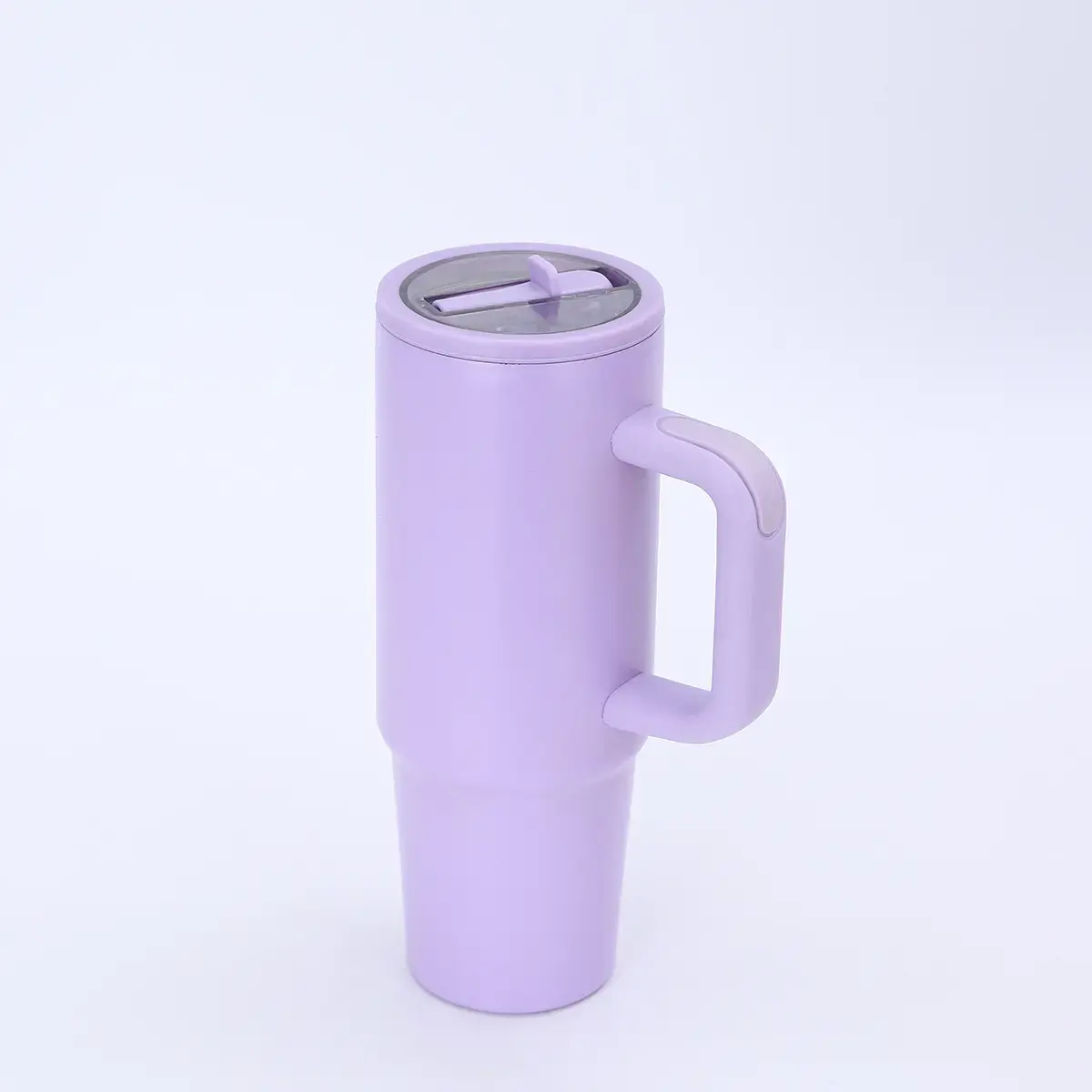
The most distinctive feature of the rotatable handle cup is that its handle can be freely adjusted in Angle (usually 180° or 360° rotation), allowing both left-handed and right-handed users to find the most comfortable grip. Whether they are left-handed or right-handed, users can adjust the direction of the handle according to their personal preferences to reduce wrist pressure and enhance the drinking experience.
2. Flexibly adapt to different usage scenarios
In scenarios such as office work, driving, and traveling, the rotatable handle cup allows users to adjust the position of the cup according to the environment. For example:
• Office environment: Users can rotate the handle to the side away from the keyboard to avoid occupying desktop space.
• Driving scenario: The driver can adjust the handle to an Angle that does not interfere with the operation of the steering wheel, enhancing safety.
• Kitchen use: During cooking, users can adjust the direction of the handle according to their operating habits to avoid burns or inconvenience.
3. Ergonomic optimization reduces fatigue from long-term use
The traditional fixed handle cup may cause excessive force on one wrist, while the rotatable design allows users to choose the most natural grip Angle, thereby reducing muscle tension and joint pressure. This design can effectively enhance comfort for users who need to hold cups for long periods of time, such as office workers and students.
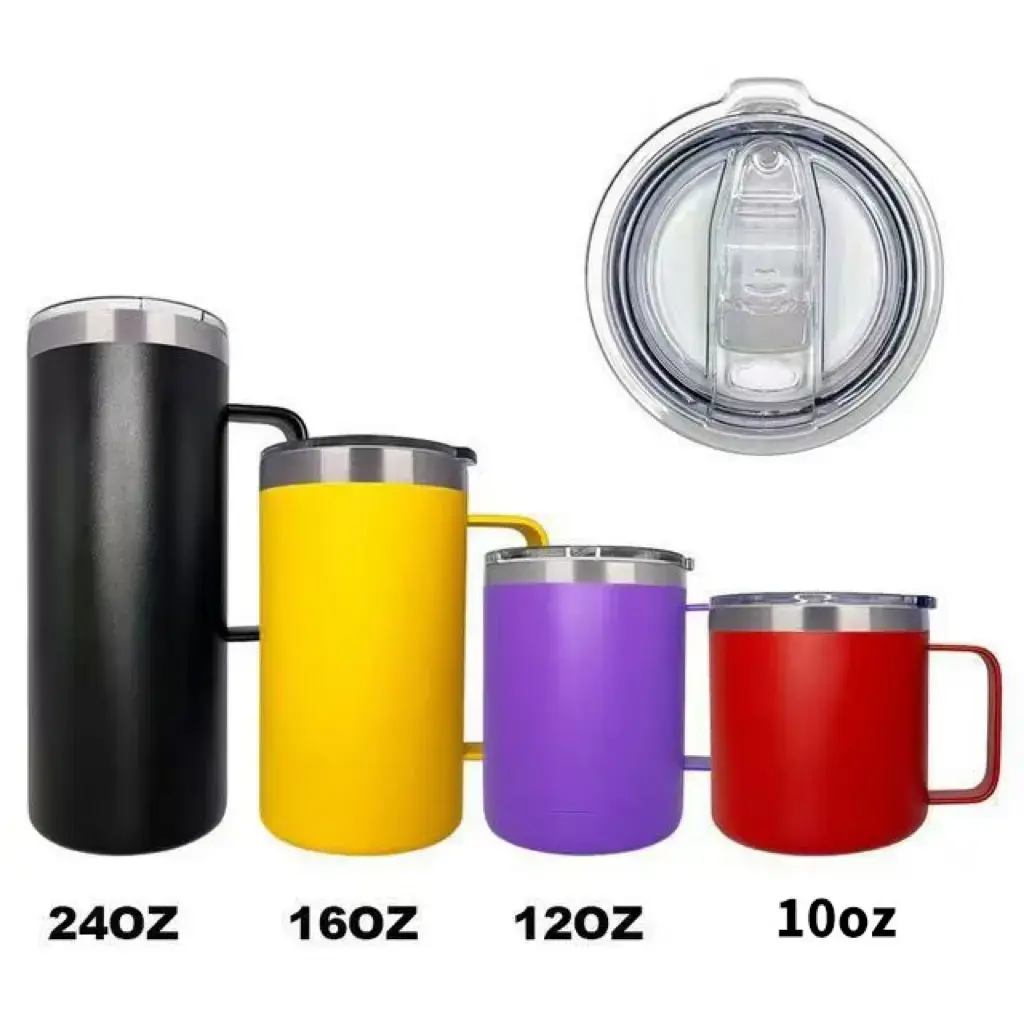
Third, analysis of market demand and user groups
1.The growth potential of the left-handed market
As the focus on inclusive design increases, the needs of left-handed users are gradually being valued. The rotatable handle cup offers a solution that can be adapted to left-handers without additional customization, making it more competitive in the market than traditional single-sided handle cups.
2. Multi-scenario application requirements
In addition to home use, the rotatable handle cup also has advantages in the following scenarios:
• Office supplies: Suitable for professionals who need efficient desktop management.
• In-vehicle accessories: Both the driver and passengers can adjust the direction of the handle to enhance the convenience of drinking.
• Travel and Outdoor: In scenarios such as camping and self-driving Tours, the flexible handle design can adapt to different usage habits.
3. Differentiated competition in the high-end drinking utensils market
In the highly competitive drinking utensils market, functional innovation has become the key to product differentiation. The rotatable handle cup not only meets the basic drinking needs but also enhances the user experience through flexible design, making it stand out among similar products.
---
Fourth, the technical implementation and material selection of the rotatable handle cup
1.Key points in the design of the rotation mechanism
Rotatable handles usually adopt bearing structures, shaft connections or elastic clips to ensure that the handle can rotate flexibly while remaining stable at the selected Angle. Key design considerations include:
• Smooth rotation: Reduces friction, making the adjustment process effortless and resistance-free.
• Secure locking: After adjusting to the ideal Angle, the handle will not loosen accidentally.
• Durability: Rotating parts must be able to withstand long-term use without wear or loosening.
2. Applicable materials and durability
Rotatable handle cups are usually made of food-grade plastic, stainless steel or glass to ensure safety and durability. The handle part may be made of silicone, ABS plastic or metal to provide a comfortable grip and enhance the stability of the rotating structure.

Fifth, future trends and market opportunities
1. Intelligent and multi-functional integration
In the future, rotatable handle cups may be combined with intelligent temperature control, drinking water reminders and other functions to further enhance the user experience. For instance, the rotation Angle of the handle can be linked to the tilt of the cup body, optimizing the way of drinking.
2. Environmental protection and sustainable design
With the enhancement of environmental awareness, rotatable handle cups made of recyclable materials will become a market trend. Lightweight, durable and environmentally friendly designs will be more favored by consumers.
3. Global market adaptability
Users in different regions have diverse habits. The universal design of the rotatable handle cup enables it to adapt to global market demands. Whether it is the European and American markets (emphasizing ergonomics) or the Asian market (highlighting portability and multi-functionality), it has promotion potential.
---
The rotatable handle cup, through its flexible grip adjustment mechanism, overcomes the limitations of traditional fixed handle cups in terms of compatibility with both hands, multi-scenario application, and ergonomic optimization. Its features of being versatile for both hands, highly adaptable and comfortable make it an innovative product with great potential in the modern drinking utensils market. For suppliers and brands seeking functionality, comfort and market differentiation, rotatable handle cups not only meet the diverse needs of users, but also gain a unique advantage in the highly competitive drinking utensils industry. As global consumers pay more attention to personalized and humanized design, this innovative design is expected to become one of the mainstream trends in the future drinking utensils market.