 +86-13586927333

Thermos cup factory


0102030405
Seasonal selection of thermos cups: Recommendations for thermos cups in different seasons
2025-07-14
Thermos flasks are not exclusive to winter. The demand for beverages in different seasons has different requirements for the performance, capacity and design of thermos flasks. From the refreshing tea in summer to the warm soup in winter, choosing the right thermos can keep your drinks in an ideal state all the time. This article will recommend suitable thermos flasks based on seasonal characteristics and share practical usage tips to help readers enjoy a just-right temperature experience throughout the year.
Spring: Multi-scenario options that balance warmth and coolness
In spring, the temperature fluctuates greatly. You may need a warm cup of coffee in the morning and a slightly cool flower tea in the afternoon. A medium-sized thermos cup (350-500ml) with both heat and cold preservation functions is the most suitable. This type of insulated cup is usually made of double-layer vacuum stainless steel, with a heat preservation effect of 6 to 12 hours and a cold preservation effect of 8 to 16 hours, which can meet the demand of rapid temperature changes.
It is recommended to choose the style with a tea stricer, which is convenient for brewing health-preserving teas such as rose and wolfberry. In the morning, fill the cup with warm water at around 50℃, add tea leaves and tighten the lid. When drinking in the morning, it can still maintain a suitable temperature for consumption (about 45℃). In the afternoon, switch to lemon sparkling water with ice. After closing the lid, the ice cubes won't completely melt within 6 hours, providing a refreshing taste continuously. Usage tip: As the air humidity increases in spring, the sealing ring of the cup lid is prone to mold growth. After each use, it needs to be disassembled for cleaning, dried, and then reassembled.
Summer: A long-lasting companion for keeping warm
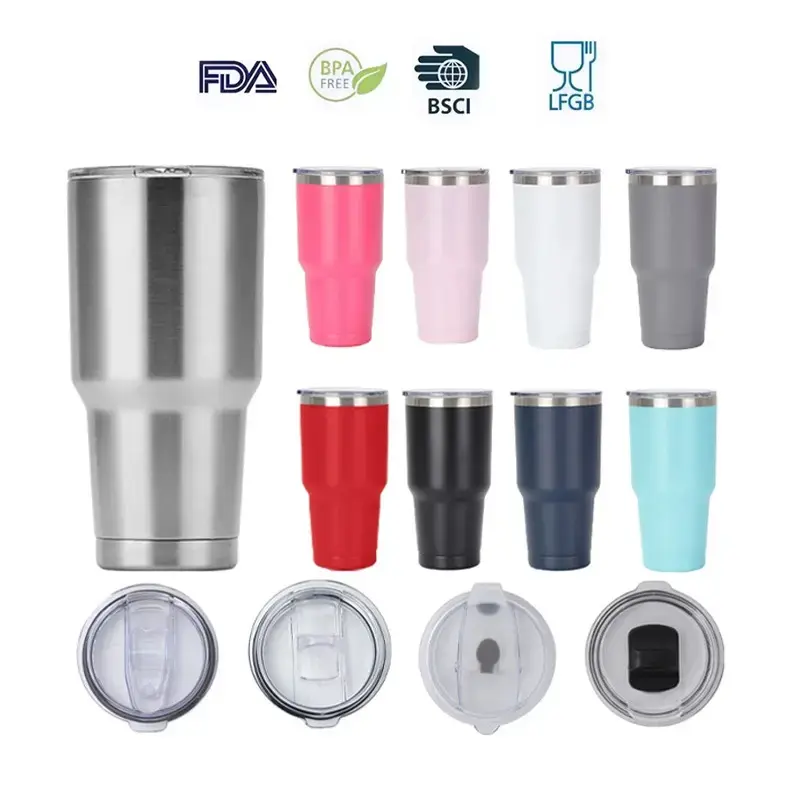
The core demand for thermos flasks in summer is "cold retention", and special attention should be paid to the cold retention duration and the design to prevent condensation water. It is recommended to choose professional insulated cups (some insulated cups are marked with "keep cold for more than 24 hours"). Their cup bodies usually adopt thickened vacuum layers (thickness ≥0.3cm), combined with copper coating layers, which can effectively isolate external heat. It is recommended to choose a capacity of 500-700ml to meet the water intake when going out.
It is suitable for filling iced coffee, plum soup, sparkling water and other beverages. Before use, you can first pour in ice water to pre-cool for 3 minutes. After pouring it out, fill it with beverages. The cooling effect can be improved by 30%. It is best to choose a cup body with an anti-slip silicone bottom to avoid leaving condensation marks on the table. The straw-shaped lid is more suitable for use while driving or commuting. You can drink without unscrewing the lid, reducing the exchange of cold and hot air. Tip: After filling carbonated drinks, do not tighten the lid completely. Leave a small gap to release pressure and prevent the liquid from spraying out when the lid is opened.
Autumn: The preferred choice for large-capacity insulation in office Settings
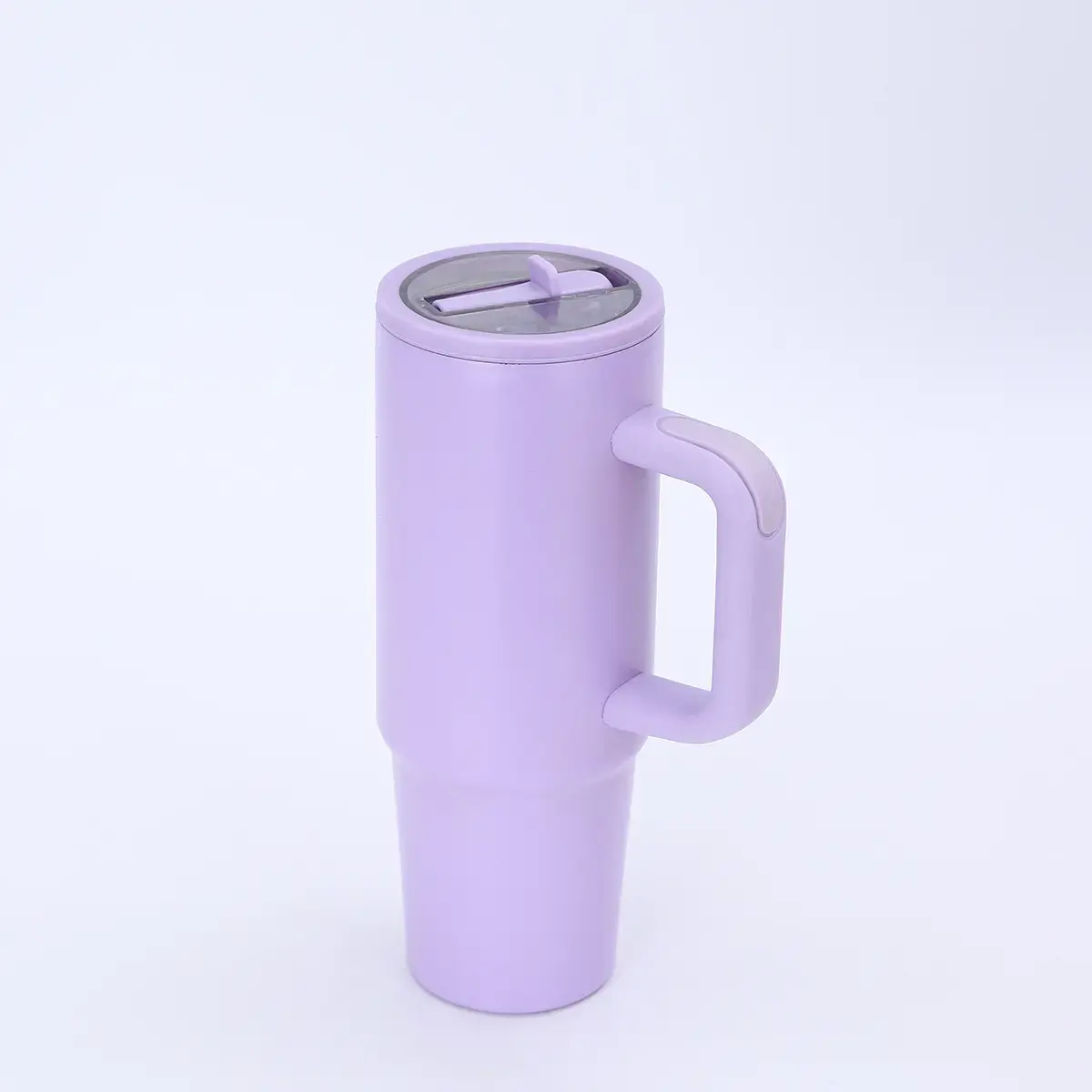
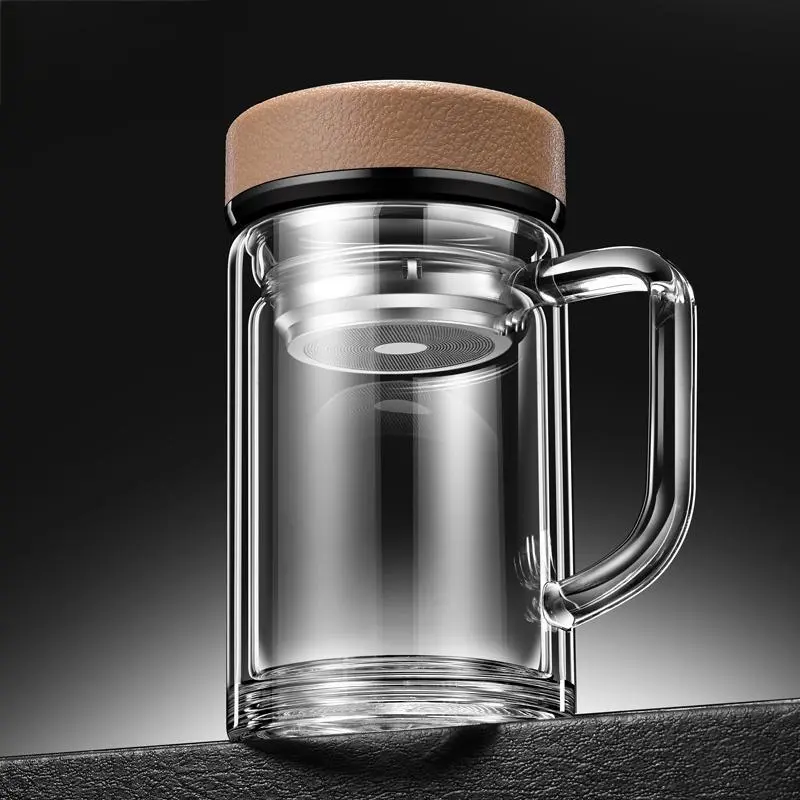
In autumn, the climate is dry and people prefer to drink warm beverages such as hot tea and hot porridge. When used in the office or at home, it is recommended to use a large-capacity insulated cup with a capacity of 1000-1500ml. This type of thermos is usually equipped with a wide-mouth design (diameter ≥7cm), which is convenient for holding beverages with particles such as silver ear soup and mixed grain porridge, and also makes it easy to clean the inner wall.
The heat preservation performance needs to last for more than 12 hours (the temperature of 95℃ hot water should not be lower than 65℃ after 12 hours) to ensure that hot drinks can be enjoyed from breakfast to afternoon tea. We recommend the model with a detachable lid. The lid can be used as a small cup to prevent scalding when pouring hot drinks into it. Note when in use: After holding perishable beverages such as milk and soy milk, they should be washed on the same day to prevent the residue from breeding bacteria in a warm environment. The sealing ring at the rim of the cup should be soaked in baking soda water for disinfection once a week to remove any unpleasant odors.
Winter: A must-have for ultimate insulation outdoors
In the severe cold of winter, when working outdoors or traveling, it is necessary for the thermos to have an ultimate heat preservation capacity. We recommend models with a capacity of 800-1200ml and a heat preservation effect of more than 24 hours (the temperature of 95℃ hot water should not be lower than 70℃ after 24 hours). The inner liner is made of 316 stainless steel, which is more corrosion-resistant than 304 stainless steel and is suitable for holding acidic or oily beverages such as traditional Chinese medicine and hot soup.
It is best for the cup body to have an anti-slip handle or shoulder strap for easy carrying. The lid adopts a spiral sealing design, combined with a silicone sealing ring, to ensure no leakage when inverted, making it suitable for carrying in a backpack. After filling the hot drink, you can put a knitted cup sleeve on the cup body, which not only reduces heat loss but also prevents scalding when holding it. Tip: When bringing a thermos from outside into the room in winter, do not open the lid immediately. Let it sit for 10 minutes to allow the temperature of the thermos to adapt to the room temperature, to prevent the hot air inside from meeting the cold and forming water droplets that drip.
Cross-season universal tips: Details to Extend the Lifespan of Thermos Flasks
No matter which season it is, the correct usage habits can extend the service life of the thermos. Before first use, clean the inner liner with a neutral detergent to avoid industrial residues affecting the taste of the drink. Do not put dry ice, carbonated beverages or other substances that can generate high pressure in it, nor strong corrosive liquids such as soy sauce and vinegar, to prevent damage to the inner coating.
When not in use for a long time, the thermos should be washed and dried. The lid and the body of the thermos should be stored separately to prevent the sealing ring from getting moldy due to moisture. When cleaning, use a soft cloth or sponge. Do not use hard objects such as steel wool balls to prevent scratching the inner tank. Regularly check whether the sealing ring of the cup lid is intact. If it shows signs of aging or cracking, replace it in time to ensure the insulation effect.
The seasonal selection of thermos cups hinges on ensuring that the temperature of the beverages matches the seasonal demands. In summer, the focus is on the effectiveness of cold preservation and portability; in winter, the pursuit is for ultimate heat preservation and large capacity; and in spring and autumn, multi-functionality is taken into account. Mastering these selection logics and usage skills can make the thermos truly a practical companion throughout the four seasons, providing a comfortable drinking experience anytime and anywhere.