
 +86-13586927333

Thermos cup factory



0102030405
Small retailers: Flexible and Precise Purchasing strategies
2025-10-14
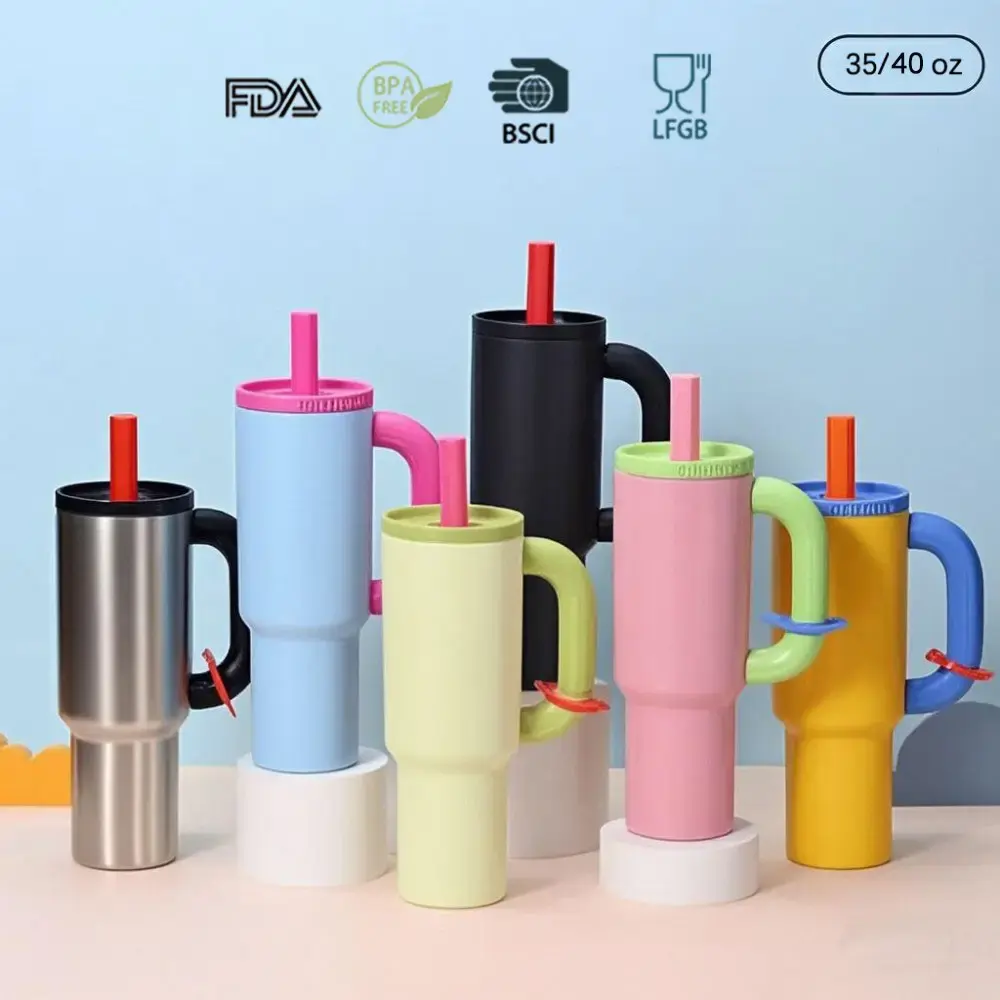
Small retailers are like agile light cavalry in the cup purchasing race. Although they are not as large as chain stores in scale, they can also carve out a niche in the market with their unique advantages and flexible strategies. However, they also face many unique challenges in planning their purchasing volume.
Relative shortage of funds is a major pain point for small retailers. Compared with large chain stores that are well-funded, they have relatively limited funds available for procurement. This is just like going to the battlefield with limited ammunition, and every shot has to be carefully calculated. Once the purchase is excessive, a large amount of funds will be occupied, which may lead to tight operating funds in the future and even affect the daily payment of water and electricity fees and the distribution of employee salaries. On the contrary, if the purchase volume is insufficient, one might miss the peak sales season and watch helplessly as profits slip through one's fingers. According to relevant data, approximately 60% of small retailers indicate that funds are the key factor restricting their purchase volume.
Limited store space is also a problem that small retailers have to face. They don't have spacious warehouses and display Spaces like large chain stores. The small store is like a tiny stage, and the placement of every item needs to be carefully designed. If too many cups are purchased, the store will become crowded and messy, not only affecting the shopping experience of customers, but also making it difficult to find goods and reducing sales efficiency. Studies have shown that both excessively high and low space utilization rates in stores can reduce customers' purchasing intentions by 20% to 30%. Small retailers must rationally plan the purchase volume based on the actual space size of their stores, so that each cup can exert its maximum value within the limited space.
The uncertainty of market demand makes small retailers tread on thin ice when planning their purchasing volume. Consumers' preferences change like the weather in June, changing in an instant. Today, minimalist thermos flasks are in fashion, but tomorrow you might have a special fondness for retro-style mugs. Small retailers find it difficult to accurately predict changes in market demand due to the lack of professional market research teams and big data analysis tools. Once the styles of the purchased cups do not meet market demands, they may be piled up in the warehouse and become unsold inventory. According to statistics, approximately 70% of small retailers have experienced overstocking or stockouts in the past year due to incorrect market demand forecasting.
Facing these challenges, small retailers need to formulate flexible and precise purchasing strategies. They can enhance cooperation with suppliers and strive for more flexible purchasing terms, such as small-batch purchases and return policies. At the same time, by making use of social media and online platforms, closely monitor the dynamic demands of consumers and promptly adjust the purchasing plans. In addition, small retailers can also increase their purchase volume by making joint purchases with nearby merchants, thereby obtaining more favorable purchase prices.
Large chain stores: Scale and data-driven procurement strategies
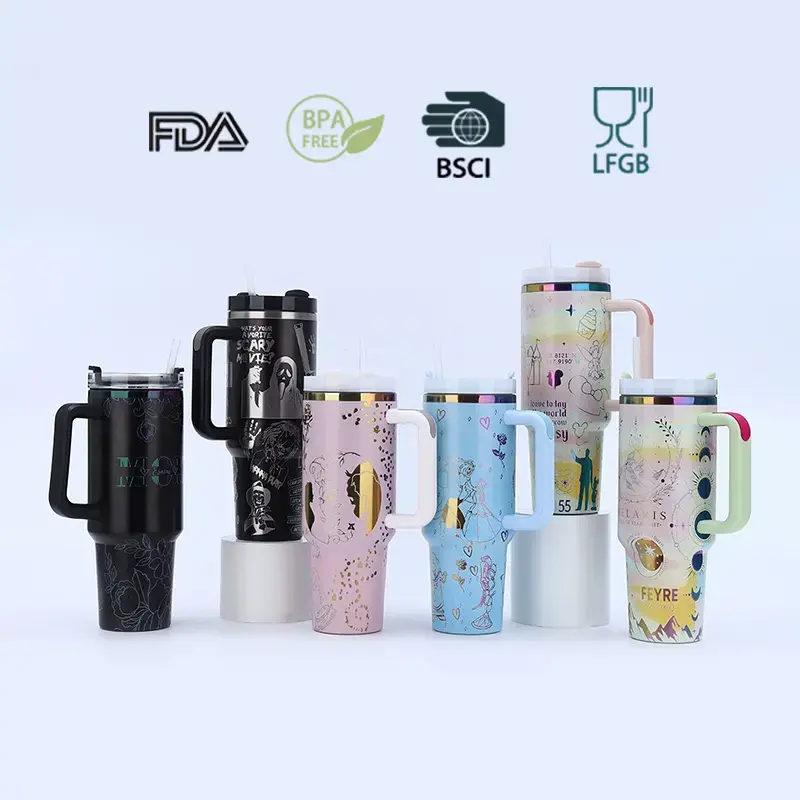
In the field of cup purchasing, large chain stores are like huge ships, riding the waves in the ocean of the market with their vast scale and advanced technology. Their purchasing volume planning strategies are significantly different from those of small retailers.
One of the significant advantages of large chain stores is economies of scale. Due to having numerous stores and a wide sales network, they are able to make large-scale purchases when buying cups. This kind of large-scale procurement is like a group-buying feast, only on a much larger scale. Large-scale purchasing gives large chain stores a strong say when negotiating with suppliers, enabling them to secure more favorable purchase prices, more flexible payment terms, and priority supply and other high-quality services. According to industry research, large chain stores may reduce their procurement costs by 10% to 30% compared to small retailers through large-scale purchasing. This undoubtedly gives them a larger profit margin in market competition.
In terms of purchasing volume planning, data is a powerful weapon for large chain stores. They are usually equipped with advanced data analysis systems, which are like a super brain capable of collecting, organizing and analyzing massive amounts of data. By analyzing historical sales data, this super brain can clearly understand the sales situation of different styles and materials of cups in different regions, seasons and promotional activities. For instance, in summer, stainless steel insulated cups with cooling functions see a significant increase in sales in southern regions. In winter, ceramic mugs are more popular in northern regions. At the same time, it can also combine multi-dimensional data such as market trends, changes in consumer demand, and industry dynamics, and use complex algorithm models to accurately predict future market demands. This precise prediction enables large chain stores to plan their purchase volume in advance, avoiding the occurrence of inventory overstock or shortage, thereby reducing inventory costs and improving the capital turnover rate.
In addition to data analysis, large chain stores will also comprehensively consider other factors to plan their purchase volume. They will establish long-term and stable strategic partnerships with suppliers, just like a solid alliance. This cooperative relationship enables both parties to share information and collaborate on production and inventory management. For instance, suppliers can arrange production in advance based on the sales data and forecasts of large chain stores to ensure timely supply. Large chain stores will also adjust their purchasing plans reasonably based on the production capacity and delivery cycle of suppliers. In addition, large chain stores will also pay attention to factors such as the macroeconomic environment, changes in policies and regulations, and the competitive situation in the industry. If environmental protection policies are strengthened, it will prompt them to increase the purchase volume of cups made of environmentally friendly materials. When competitors introduce new cup styles, they will also respond promptly and adjust their purchasing strategies to maintain their market competitiveness.

Common factors influencing the purchase volume of both parties
Whether it is a small retailer or a large chain store, when planning the purchase volume of cups, they cannot ignore some common influencing factors. These factors are like the baton of the market, guiding their purchasing decisions.
The changes in market trends have a significant impact on the purchase volume of both sides. With the improvement of consumers' health awareness, the demand for cups made of environmentally friendly and safe materials is increasing day by day. For instance, insulated cups and glass cups made of 304 stainless steel, food-grade silicone and other materials are highly favored. Intelligent cups, such as those with temperature display and intelligent temperature control functions, are also gradually becoming popular choices in the market. Both small retailers and large chain stores need to keenly capture these market trends and adjust their purchase volumes in a timely manner. If the response to emerging trends is slow, it may lead to the purchased cups not meeting market demands, thereby affecting sales performance. According to market research institutions' predictions, in the coming years, the market share of eco-friendly materials and intelligent cups will grow at a rate of 15% to 20% annually.
Seasonal factors are also a key factor influencing the purchase volume of cups. In the cold winter, the demand for thermos cups will rise significantly, while in the hot summer, products such as sports Water Cups and ice cups are more popular. Small retailers and large chain stores need to plan their purchase volumes in advance according to seasonal changes. For instance, increase the purchase volume of thermos flasks before winter arrives; In summer, increase the purchase of sports water cups and ice cups. Generally speaking, the sales of insulated cups in winter increase by 30% to 50% compared with other seasons, while the sales of sports water cups and ice cups also rise significantly in summer.
Promotional activities also have a non-negligible impact on the purchase volume. During major festivals and shopping seasons such as Christmas and Double Eleven, consumers' purchasing enthusiasm is high. Conducting promotional activities at such times can often significantly increase the sales of cups. Small retailers and large chain stores need to predict the effect of promotional activities in advance and increase their purchase volume reasonably. Take Double Eleven as an example. On this day, the sales of cups by many merchants can reach 5 to 10 times that of normal days. At the same time, the form and intensity of promotional activities will also influence the decision on the purchase volume. Different promotional methods such as discounts, full-reduction offers, and free gifts have varying degrees of appeal to consumers, which in turn affects sales expectations and purchase volumes.
In addition to the above factors, economic conditions, consumers' purchasing power and the competitive landscape of the industry will also have an impact on the purchase volume of cups by small retailers and large chain stores. During periods of economic prosperity, consumers have strong purchasing power and their purchasing volume can increase relatively. When the economy is sluggish, it is necessary to carefully control the purchase volume. Understanding these common factors and flexibly adjusting the purchasing plan based on the actual situation is the key for small retailers and large chain stores to succeed in cup purchasing.

The complementary advantages of small retailers and large chain stores
On the market stage of cup purchasing, small retailers and large chain stores are not isolated entities. They each have their own strengths and weaknesses. If they can learn from each other and complement each other's advantages, they can achieve common development.
Small retailers can learn a lot of valuable experience from large chain stores. Among them, data analysis methods are a key component. Large chain stores utilize advanced data analysis systems to deeply mine massive sales data, thereby accurately grasping market trends and consumer demands. Although small retailers may find it difficult to have such a large and complex data analysis system, they can adopt some simple and effective methods to achieve similar results. For instance, use spreadsheet software to record daily sales data, including the sales volume of different styles of cups, color preferences, and customer purchase times, etc. Through regular analysis of these data, small retailers can discover some potential sales patterns. For instance, sales on weekends are usually higher than those on weekdays, and a certain color of thermos cup sells particularly well during a specific period of time, etc. Based on these analysis results, small retailers can be more targeted when planning their purchase volumes, avoid blind purchasing, and reduce the risk of inventory overstock.
Meanwhile, in terms of supply chain management, the long-term and stable cooperative relationships established by large chain stores with suppliers, as well as an efficient logistics and distribution system, ensure the timely supply of goods and low procurement costs. Small retailers can draw on this cooperative approach, actively communicate with suppliers and attempt to establish closer cooperation. For instance, negotiate with suppliers to formulate personalized supply plans based on your own sales pace, and strive for more flexible payment methods and replenishment policies. In terms of logistics and distribution, small retailers can collaborate with nearby merchants to negotiate with logistics companies together, striving for more favorable delivery prices and reducing logistics costs.
Large chain stores can also draw inspiration from small retailers. Flexibility is a major advantage of small retailers. Small retailers have a simple decision-making process and can respond quickly to market changes. When a new type of cup suddenly becomes popular in the market, small retailers can decide to purchase and put it on sale in a short time to satisfy consumers' sense of novelty. Due to their large organizational structure and relatively complex decision-making processes, large chain stores may be slightly slow in responding to market changes. Therefore, large chain stores can learn from the flexibility of small retailers, optimize their internal decision-making mechanisms, and establish dedicated market rapid response teams. This team is responsible for closely monitoring market dynamics. Once potential new products or changes in market trends are identified, they can be promptly submitted to the decision-making level for evaluation, shortening the decision-making cycle and adjusting the procurement plan in a timely manner to adapt to the rapid changes in the market.
In addition, the in-depth understanding of the local market and customers by small retailers is also something that large chain stores can draw on. Small retailers are deeply rooted in local communities and have established deep emotional connections with customers, thus being better able to understand the special needs and preferences of local consumers. When formulating purchasing strategies, large chain stores can refer to the experience of small retailers in the local market and make differentiated purchases for stores in different regions. For instance, in some regions with a strong cultural atmosphere, based on the local cultural characteristics, purchase cups with regional cultural elements to meet the local consumers' demands for cultural products and enhance the store's market competitiveness in the local area. Through mutual learning and complementary advantages, both small retailers and large chain stores can do better in planning the purchase volume of cups and achieve better development in the market.
Choose the right supplier to open the door to successful procurement
Whether it is a small retailer or a large chain store, choosing the right supplier is a crucial step in the journey of purchasing cups. It is like a cornerstone that determines the success or failure of the purchase volume planning.
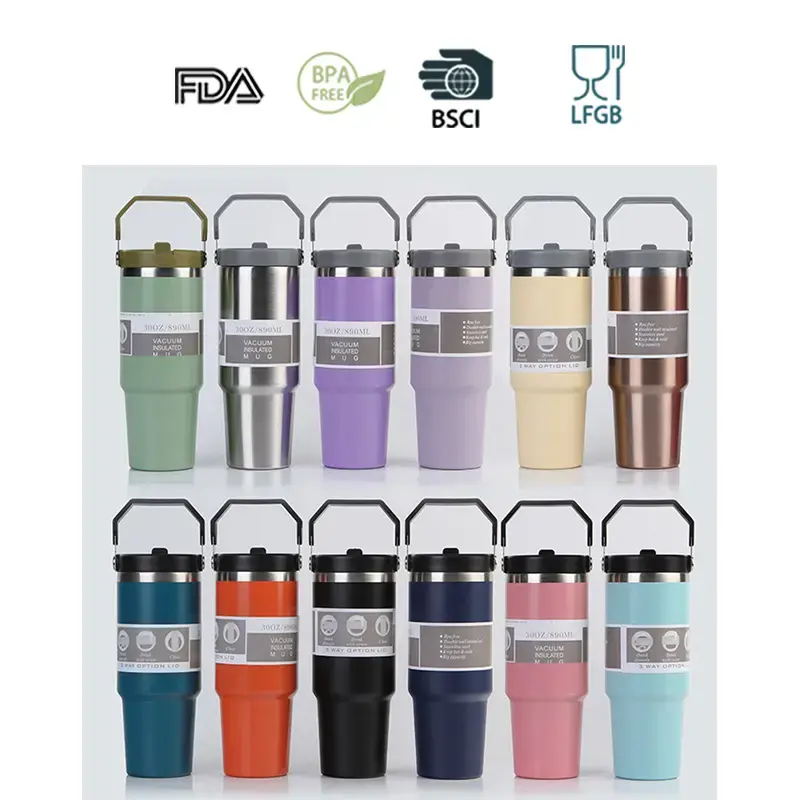
For small retailers, the right suppliers are a powerful support for them to gain a firm foothold in the market. High-quality suppliers can provide stable product quality, ensuring that every cup meets market standards and consumer expectations. This not only helps small retailers establish a good brand image, but also wins the trust and word-of-mouth of consumers. A small retailer specializing in specialty coffee shops, after extensive research and comparison when choosing a supplier of thermos cups, finally cooperated with a supplier that attaches great importance to quality. The thermos cups provided by this supplier have excellent heat preservation performance, are made of safe and environmentally friendly materials, and have a unique appearance design. These high-quality thermos cups have attracted a large number of consumers, making the coffee shop's business increasingly prosperous. At the same time, the stability of supply from suppliers is also of vital importance. Due to limited funds and inventory space, small retailers may suffer from out-of-stock situations in their stores once suppliers experience delays or interruptions in supply, which can affect their sales performance. Therefore, cooperating with reliable suppliers can ensure that small retailers obtain the cups they need in a timely manner when restocking is required, maintaining the normal operation of their stores.
Large chain stores also cannot do without the support of suitable suppliers. Economies of scale are a major advantage for large chain stores, and the realization of this advantage cannot be achieved without close cooperation with high-quality suppliers. Large chain stores can obtain more favorable prices and reduce procurement costs through large-scale purchasing. This requires suppliers to have strong production capacity and cost control capabilities to meet the demands of large chain stores. A well-known large chain supermarket has established a long-term cooperative relationship with a large cup manufacturer. With its advanced production equipment and efficient management system, the manufacturer can produce a large number of high-quality cups at a relatively low cost, meeting the demands of chain supermarkets across the country. In addition, suppliers can also provide customized services for large chain stores. According to the sales characteristics of different regions and stores, suppliers can adjust the style, color and packaging of the products to meet consumers' personalized demands. In some stores of tourist attractions, suppliers offer insulated cups with local characteristic patterns, which are warmly welcomed by tourists and further enhance the market competitiveness of large chain stores.
When choosing suppliers, both small retailers and large chain stores need to take into account multiple factors comprehensively. Product quality is the primary consideration, including the material of the cups, heat preservation performance, sealing property, etc. The supplier's reputation and word-of-mouth are also important reference indicators. A good reputation means that the supplier can abide by the contract agreement, deliver goods on time and provide high-quality after-sales service. Price and cost are also factors that cannot be ignored. It is necessary to seek the most cost-effective suppliers under the premise of ensuring product quality. In addition, the production capacity, delivery time, logistics and distribution capacity, as well as innovation capacity of suppliers, etc., all need to be included in the assessment scope. Only by conducting a comprehensive and meticulous assessment and selecting the most suitable supplier for oneself can a solid foundation be laid for the planning of cup purchase volume and an advantage be gained in market competition.