
 +86-13586927333

Thermos cup factory

0102030405
Surface Treatment Processes for Tableware: Differences Between Painting, Electroplating, and Anodizing
2026-01-05
Surface Treatment Processes for Tableware: Differences Between Painting, Electroplating, and Anodizing
The distinctions between painting, electroplating, and anodizing as surface treatment processes for tableware are frequent points of confusion for cross-border buyers and B2B clients during product selection. Many buyers have mistakenly applied processes to unsuitable scenarios, resulting in issues like paint peeling or oxidation discoloration. This not only triggers end-user complaints but also leads to bulk returns. Additionally, some clients faced customs clearance issues in Europe and America due to processes failing environmental standards. This article dissects the key differences between these three methods across four core dimensions—process principles, applicable scenarios, cost/environmental impact, and durability—to help you precisely match procurement needs and avoid quality and compliance pitfalls. Let's start with the most fundamental process: spray painting.
I. Spray Painting Process: Low Cost, High Aesthetics—Which Cup Applications Suit It?
Spray painting is the most fundamental surface treatment in the cup industry. Its core principle involves atomizing paint and evenly coating it onto the cup surface, forming a protective film after curing.
Its primary advantages are low cost and extensive color options. Data shows spray painting's unit processing cost is only 40% of electroplating, enabling diverse visual effects like matte, glossy, and gradient finishes.
It primarily suits plastic and ceramic materials, such as common PP plastic water cups and ceramic mugs. However, standard spray painting offers limited abrasion resistance, typically achieving only around 2H hardness.
Industry Case: Last year, we developed a procurement plan for a Southeast Asian home goods chain brand targeting young consumers with a value-focused strategy. We recommended ceramic mugs with spray-painted gradient finishes. A single batch order reached 20,000 units, retailing at just $12 each. Sales consistently ranked among the top three in their category on the platform.
Common User Question: “Do spray-painted cups peel easily?” Ordinary spray paint does peel readily, especially on frequently touched rim areas. We recommend “electrostatic spraying + high-temperature curing” for enhanced durability, achieving 4H hardness with less than 3% peeling under normal use.
II. Electroplating Process: Maximizing Metallic Finish – Key Environmental Compliance Points
Electroplating deposits a thin metallic film onto cup surfaces through electrolysis. Common materials include chrome, nickel, and gold, imparting a striking metallic sheen.
Its core advantages are premium texture and superior corrosion resistance. Electroplated cups feature smooth, refined surfaces that elevate product value, making them ideal for mid-to-high-end giftware and corporate cups.
However, electroplating imposes stringent environmental requirements, particularly for chromium-containing processes, which incur high wastewater treatment costs. The EU REACH regulation explicitly limits heavy metal concentrations in electroplating wastewater; exceeding these limits results in immediate market ban.
Industry Case: In 2023, a buyer procured a batch of standard electroplated Stainless Steel Cups for export to Europe without conducting compliance assessments. The entire shipment was detained by customs due to excessive heavy metal emissions, resulting in losses exceeding 500,000 yuan. After collaborating with us to adopt a chromium-free electroplating process and supplementing environmental testing reports, the goods were successfully cleared.
Common User Query: “Are electroplated cups suitable for food contact?” They are acceptable as long as they meet food-grade standards. We recommend selecting “food-grade chromium-free electroplating” to ensure coatings are free of harmful heavy metals like lead and chromium, accompanied by third-party food contact safety testing reports.
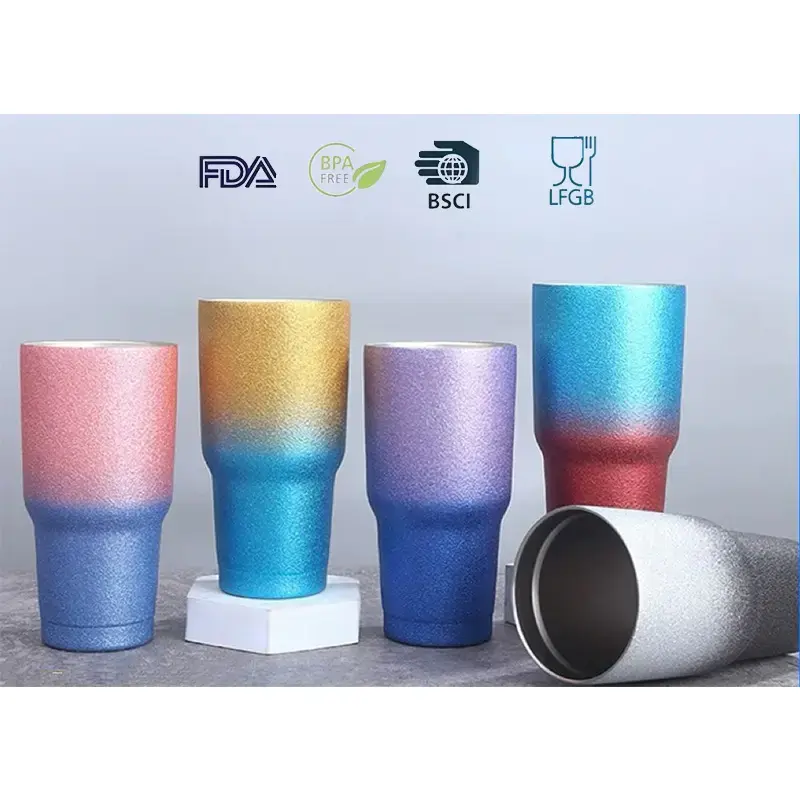
III. Anodizing: Durable and Rugged—Why It's the Top Choice for Aluminum Alloy Cups
Anodizing is primarily used for aluminum alloy cups. This process forms an oxide layer on the aluminum surface through electrolysis, enhancing hardness while enabling coloration.
It offers the highest durability among the three methods. Anodized aluminum alloy cups achieve surface hardness exceeding 6H, with abrasion resistance five times greater than standard painted finishes. The oxide layer bonds tightly to the substrate, preventing peeling.
It also outperforms electroplating in environmental friendliness. The oxidation process emits no heavy metals, requires low wastewater treatment costs, and complies with global environmental standards. However, processing costs are higher than painting, approximately 1.8 times the cost of painting.
Industry Case: We customized aluminum alloy sports water bottles for a North American outdoor brand using hard anodizing. Targeting outdoor adventure scenarios, the brand required bottles resistant to impacts and high temperatures. Testing confirmed stable performance between -20°C and 80°C, with abrasion resistance exceeding 5,000 cycles. Single-batch orders surpassed 30,000 units.
Common User Query: “Will the color of anodized cups fade?”
Under normal use, no fading occurs. However, prolonged sun exposure or contact with strong acids/alkalis may cause slight color lightening. We recommend selecting “hard anodizing + sealing treatment” to significantly enhance color stability.
IV. Core Comparison of the Three: How to Precisely Match Procurement Selection?
After understanding the fundamental characteristics of the three processes, the core of procurement selection lies in matching three key factors: “cost budget, usage scenario, and compliance requirements.”
From a cost perspective: Painting < Anodizing < Electroplating; From a durability perspective: Anodizing > Electroplating > Painting; In terms of environmental impact: Anodizing > Spray Painting > Electroplating (standard chromium-containing electroplating).
For cross-border procurement:
- European markets prioritize anodizing or eco-friendly spray painting;
- North American markets demand high durability, favoring anodized aluminum alloy cups;
- Southeast Asian markets emphasize cost-effectiveness, where standard spray painting is suitable.
Industry Case: In 2024, we assisted a buyer in connecting with global markets. We recommended anodized aluminum alloy cups for Europe, electrostatic spray-painted plastic cups for Southeast Asia, and chrome-free electroplated business cups for North America. Through precise matching, return rates across all markets were controlled below 2%, with 100% compliant customs clearance.
Common User Query: “Can the same cup model use two different processes?” Yes. For example, anodizing the aluminum alloy body while electroplating the lid balances durability and texture. However, this increases processing costs; we recommend pairing processes based on product positioning.
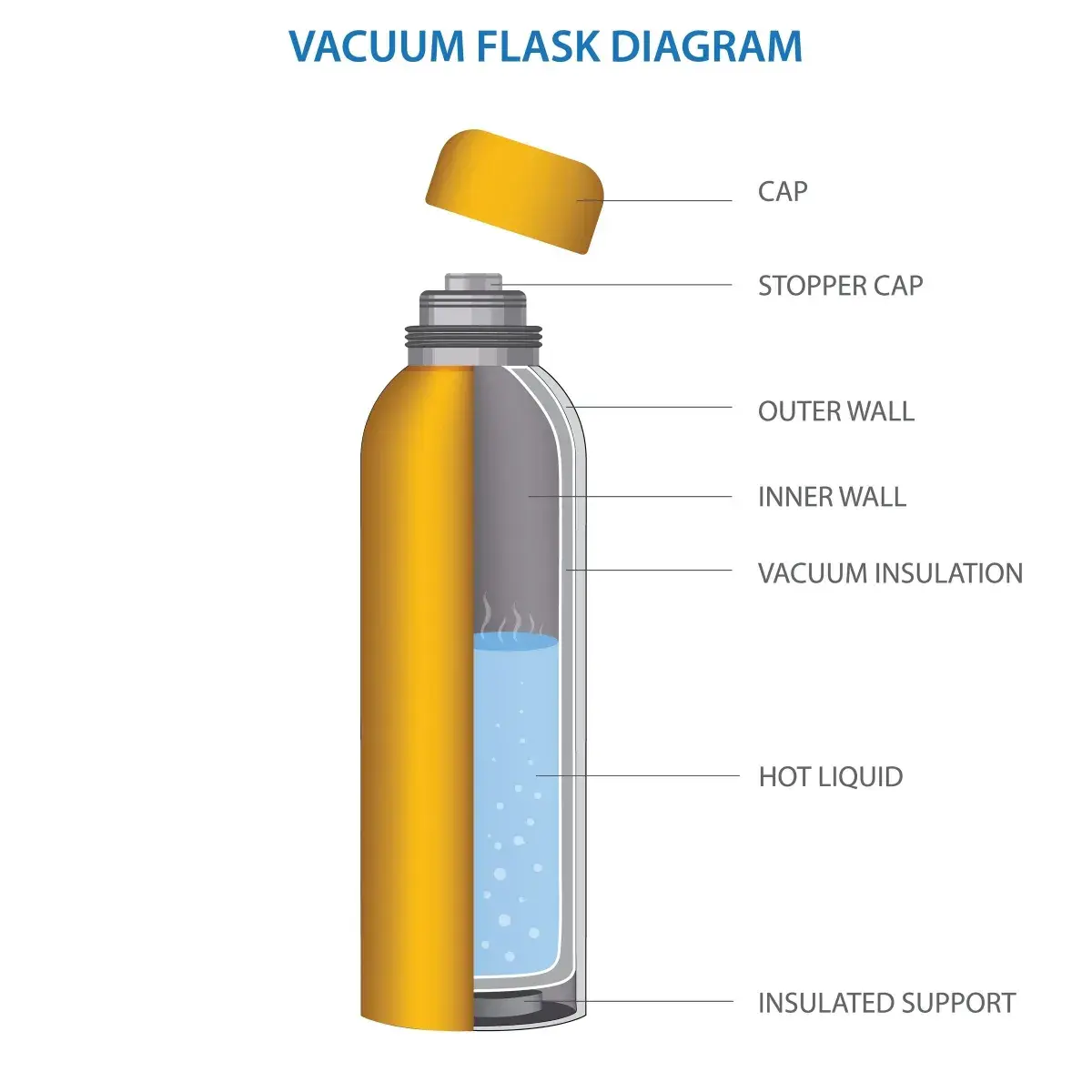
V. FAQ: High-Frequency Industry Questions
Q1: What are the respective lifespans for cups using the three processes?
A: Under normal usage, anodized aluminum alloy cups last 5-8 years; electroplated cups last 3-5 years (extendable to 6 years with proper care); painted cups last 1-3 years (high-quality electrostatic painted models can last up to 4 years). Lifespan directly correlates with usage frequency and maintenance practices.
Q2: What compliance documents are required for cross-border procurement of cups with different processes?
A: Painted cups require environmental testing reports for coatings (e.g., EU REACH compliance). Electroplated cups need heavy metal testing reports and chromium-free certification (if applicable). Anodized cups require oxide layer thickness testing reports and food contact safety certifications (e.g., US FDA, EU LFGB).
Q3: Which surface treatment is preferred for children's cups?
A: Prioritize anodizing (for aluminum alloy cups) or food-grade electrostatic painting (for plastic cups). These processes carry no risk of heavy metal leaching and offer high durability to withstand children's daily use. Avoid standard electroplating to prevent heavy metal contamination that could harm children's health.
Selecting cup surface treatments requires balancing cost, texture, durability, and environmental compliance. Spray painting suits cost-effective solutions, electroplating meets mid-to-high-end texture demands, while anodizing excels in scenarios prioritizing both durability and environmental friendliness. Cross-border buyers must precisely align with target market regulations. This article aims to clarify differences between the three processes for optimal procurement decisions. Cup Surface Treatment Processes: Differences Between Spray Painting, Electroplating, and Anodizing
1. Meta Description
Cup surface treatment processes: The differences between spray painting, electroplating, and anodizing are core selection challenges for cross-border procurement. This article breaks down the distinctions across cost, durability, and environmental compliance dimensions, paired with real-world industry cases and compliance guidelines to help you precisely match procurement scenarios. Whether you're a cross-border buyer or a B2B client, avoid quality pitfalls and immediately obtain a customized procurement solution to enhance product selection efficiency.
2. Core Keywords
Cup Surface Treatment Processes: Differences Between Painting, Electroplating, and Anodizing
Cross-border procurement cup process selection
Food-grade cup surface treatment
Aluminum alloy cup anodizing process
Eco-friendly cup electroplating process