
 +86-13586927333

Thermos cup factory

0102030405
The criteria for judging the safety of the material of the straw in children's insulated cups
2025-08-04
When choosing a thermos for children, safety is the top priority. The material of the straw in a thermos is directly related to children's health. The following are some key points that can help you determine the safety of the material of the insulated cup straw:
First, material safety
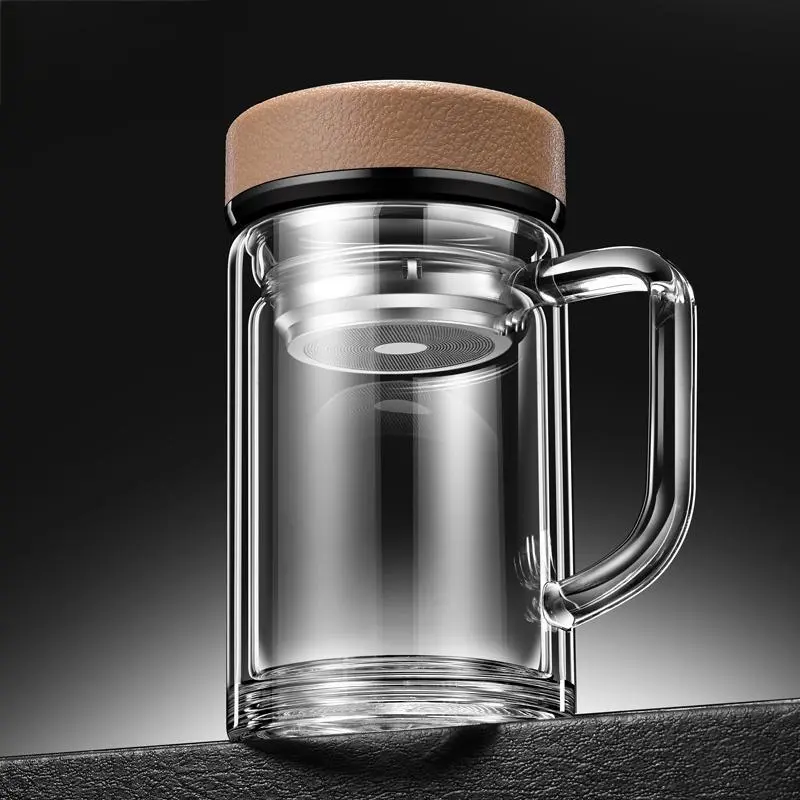
According to the search results, when choosing a thermos for children, safety and health should be taken into account. For instance, whether the material is good enough, whether it leaks, whether it is easy to break, the shape of the cup, whether it is a straw type or an open type, and whether it is easy to clean, etc. Thermos flasks are generally made of four materials: stainless steel, glass, copolyester and plastic. Among them, stainless steel is usually used to make thermos cupsor thermos Water Bottles. The advantages of stainless steel are that it is not afraid of being squeezed or dropped, and it is not easy to conduct heat. Glass: It does not contain any chemical toxic substances and is easy to clean and disinfect. However, the drawback is that it is fragile, so glass cups are very dangerous for children. Plastic: including PES, PPSU, PC, etc. Plastic water cups are not easy to break and are convenient to use. However, most plastic water cups do not keep warm, and some cannot hold water at very high temperatures. These depend on the specific brand's instructions.
Second, the material of the straw
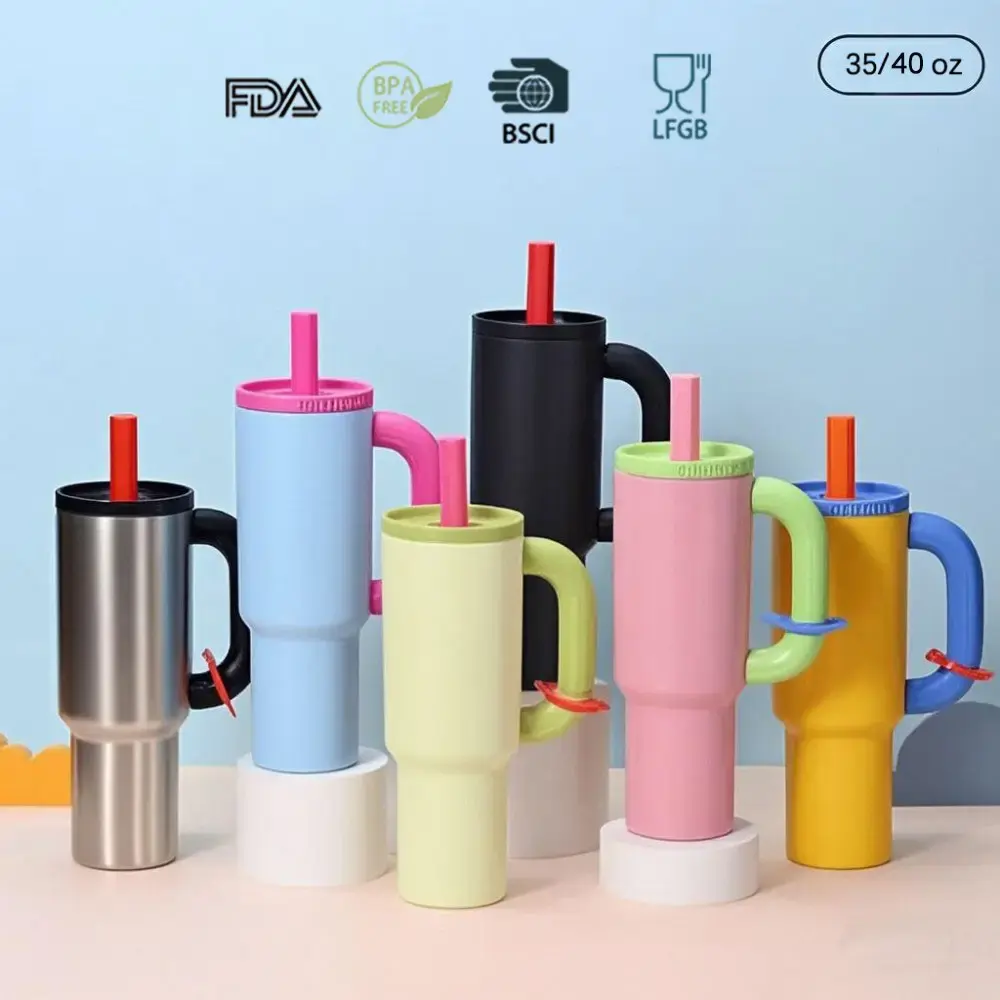
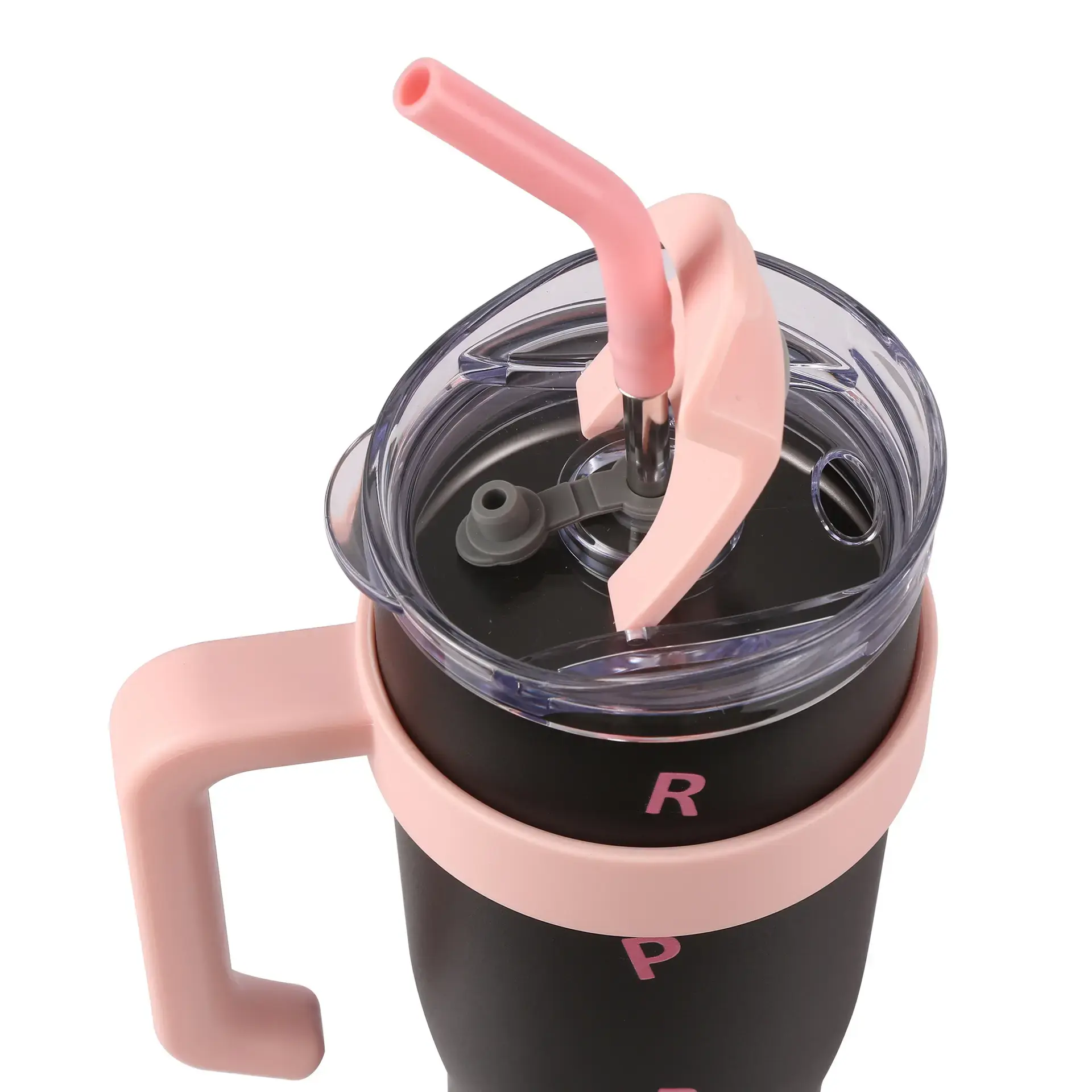
The safety of the material used for straws is of vital importance. Children's thermos cups available on the market are usually made of stainless steel, PP plastic or glass. Stainless steel insulated cups are durable and have good heat preservation effect, but they are relatively expensive. PP plastic insulated cups are lightweight and not easy to break, but it is important to choose food-grade materials. Although glass thermos flasks are transparent and beautiful, they are fragile and have a poorer heat preservation effect than metal ones.
Third, avoid toxic substances
When choosing a thermos, pay attention to the safety certification of the product. Choose products that have been certified by national quality inspection institutions, such as 3C certification, ISO certification, etc., to ensure that the products meet national safety standards. At the same time, pay attention to the safety certification of the product and choose materials that are safe.
Fourth, Usage suggestions
During use, avoid dropping and colliding, as this can easily cause damage or deformation of the cup body, or make the welded parts no longer firm, which will affect the heat preservation effect and shorten the service life of the insulated cup. Preheat with boiling water before use for better heat preservation effect. When in use, dropping or colliding can easily cause damage or deformation of the cup body, or make the welded parts no longer firm, which will affect the heat preservation effect and shorten the service life of the insulated cup.
Fifth, the difficulty of cleaning
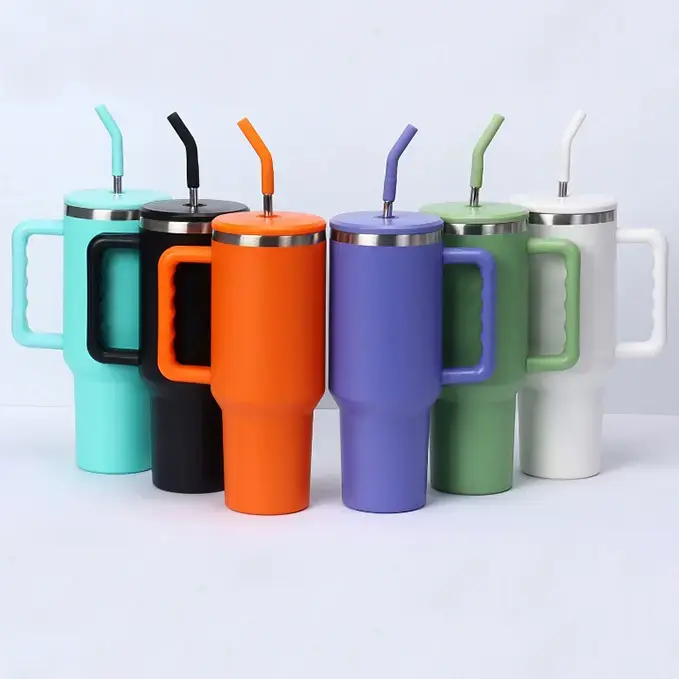
The difficulty of cleaning a thermos is also a factor to be considered when making a choice. The structure of a thermos straw cup is more complex than that of an ordinary cup. A well-designed thermos cup is easier to clean and less likely to breed mold.
Sixth, the issue of unpleasant odors
The thermos should be odorless or have a mild and easily dissipated smell. If the smell is strong when the lid is opened, it should be discarded without hesitation. Second, check whether the label and marking include the product name and specification, the type and grade of stainless steel that comes into direct contact with the inner liner, outer shell and liquid (food) of the product, the material of the plastic parts, the insulation performance, the name of the producer and/or distributor, etc. Check whether the outer surface of the product has uniform color, no cracks or gaps, whether the welding points are smooth and free of burrs, whether the printed text and patterns are clear and complete, and whether the electroplated parts have exposed base, peeling or rust. Check whether each component is easy to disassemble, clean and reassemble. Third, touch it. Feel the inner liner to see if it is smooth, whether there are burrs on the rim of the cup, the texture, the weight of the cup body, and whether it is comfortable to hold.
In conclusion, when choosing a thermos, factors such as the safety of the material, heat preservation effect, portability, and ease of brushing are all factors that need to be considered. Children's thermos cups available on the market are usually made of stainless steel, PP plastic or glass. Stainless steel insulated cups are durable and have good heat preservation effect, but they are relatively expensive. PP plastic insulated cups are lightweight and not easy to break, but it is important to choose food-grade materials. Although glass thermos flasks are transparent and beautiful, they are fragile and have a poorer heat preservation effect than metal ones. When making a choice, pay attention to the safety certification of the product, avoid toxic substances, and prevent dropping and bumping during use to ensure the health and safety of children.