
 +86-13586927333

Thermos cup factory

0102030405
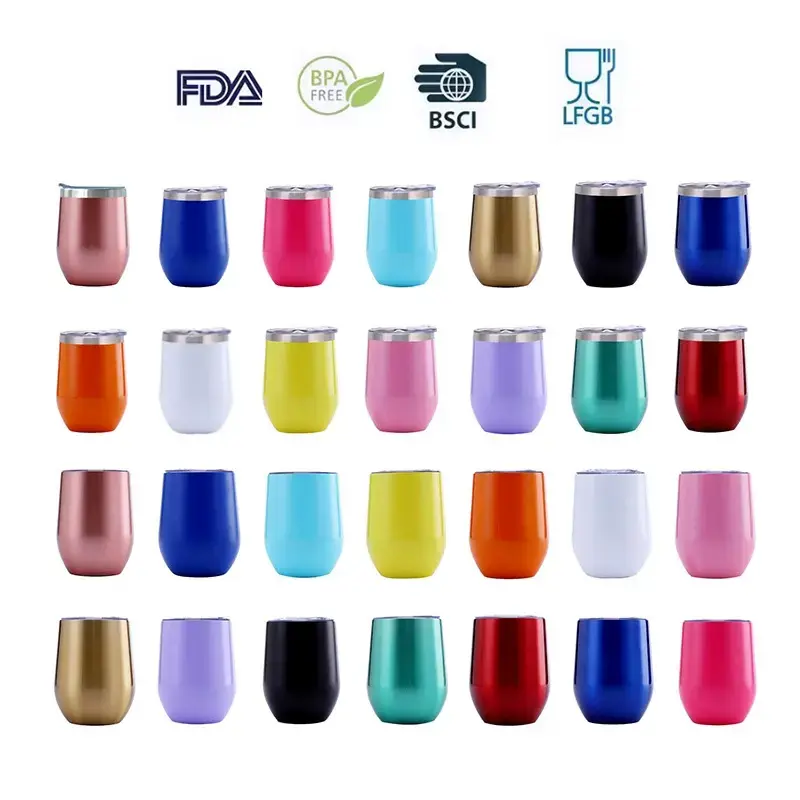
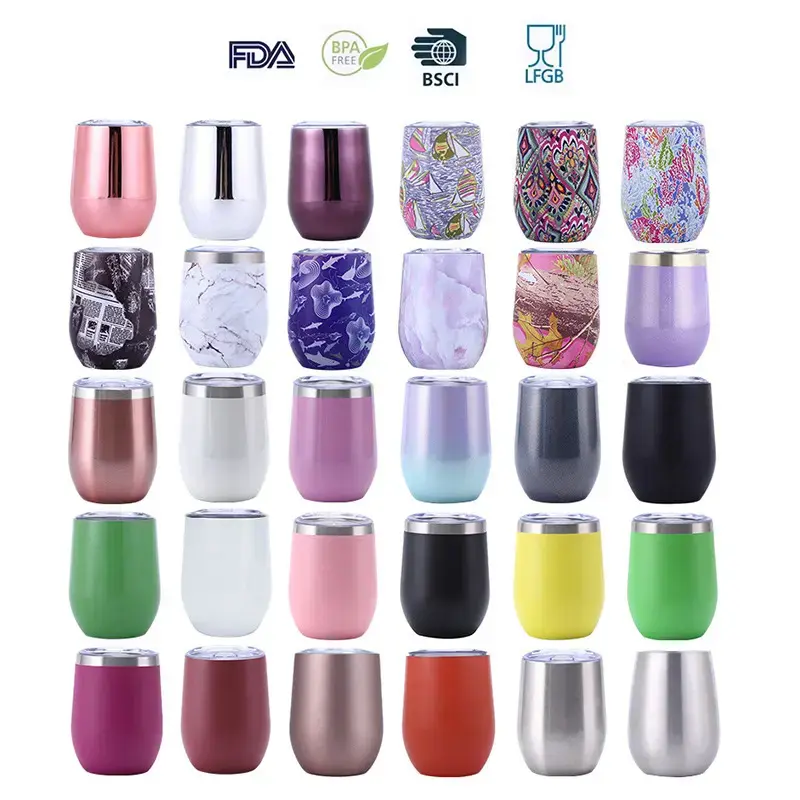
The fluid mechanics design of the egg-shaped Vogue cup: A comprehensive upgrade in grip comfort
2025-10-11
When we pick up a cup every day, we seldom realize how much design knowledge lies behind this simple action. Most of the time, we just habitually hold and drink the cup until our wrists start to feel sore and swollen, and then we notice whether the shape of the cup really suits us. The emergence of the egg-shaped Vogue cup precisely starts from these overlooked details and redefines the holding experience with the thinking of fluid mechanics.
Fluid mechanics may sound distant from everyday items, but its core principle - studying the laws governing the movement of objects in fluids - precisely explains why egg-shaped designs can bring about such a completely different touch. The natural form of an egg has evolved over millions of years, forming a curve that can most evenly distribute pressure. This form has been ingeniously transformed into the design of cups: The arc from the rim to the bottom of the cup is not randomly drawn but simulates the pressure distribution curve when the liquid flows. When the palm wraps around the cup body, the force at each contact point is evenly distributed, avoiding the local pressure feeling brought by traditional straight cups.
Try this simple action: Hold the traditional cylindrical cup and the egg-shaped cup with the same force for one minute and then put them down. You will clearly feel that the former leaves faint indentations on the palm and the base of the fingers, while the contact area of the latter is more even and the degree of skin redness is much milder. Behind this lies the precise ergonomic response of the egg-shaped outline - its maximum diameter position precisely falls at the widest point when the palm is naturally bent, allowing the fingers to wrap around in the most relaxed posture, without the need to deliberately tighten or spread out to maintain a stable grip.
This design brings not only immediate comfort but also a long-term usage experience. Research shows that people pick up a cup more than 20 times a day on average, holding it for about 15 seconds each time. The sharp corners and straight lines of traditional cups can gradually accumulate wrist fatigue during repetitive movements, especially for people who need to use cups frequently, this discomfort will be magnified. The egg-shaped Vogue cup matches the curve of the cup body with the bone structure of the hand, allowing the wrist to remain neutral in a natural state and reducing excessive stretching of tendons and ligaments.
The refinement of details can better reflect the dedication of the design. There is a subtle waistline on the side of the cup body, which precisely aligns with the force application points of the thumb and index finger when grasping. This not only enhances the stability of the grip but also prevents slipping. The slightly raised design at the bottom of the cup makes it more stable when placed. At the same time, when picked up, the little finger can naturally find a support point, forming a more balanced force-bearing structure. These seemingly minor adjustments are all based on the analysis results of a large amount of hand movement data.
It is worth noting that the egg-shaped design does not sacrifice practicality for comfort. Its internal capacity is comparable to that of a traditional cup of the same height, and its unique curve makes the water flow more concentrated when the liquid is poured, reducing the possibility of splashing. The curvature of the rim of the cup has also been optimized, which not only conforms to the natural contour of the lips but also prevents the posture from leaning forward too much when drinking. This balance between function and experience is precisely the best embodiment of the fluid mechanics design concept - allowing the form of objects to naturally conform to the movement laws of the human body.

When we start to pay attention to the usage experience of daily necessities, we will find that those truly excellent designs are often "invisible" - they do not deliberately emphasize their existence, but can make every use an unconscious enjoyment. The fluid mechanics design of the egg-shaped Vogue cup is precisely such an attempt to integrate scientific principles into the details of life. It makes us realize again that the quality of a cup lies not only in how much water it can hold, but also in how gently it responds to every grip.
In the fast-paced life, these subtle comforts accumulate and eventually become an important part of enhancing daily experiences. After all, when an object can coexist so harmoniously with the body's needs, what it brings is not only functional satisfaction, but also a silent annotation of the quality of life.