
 +86-13586927333

Thermos cup factory

0102030405
The Science of Thermos Cups: How to Keep Drinks Warm?
2025-06-06
Thermos cups, as a daily necessity, are widely used in homes, offices and outdoor activities. Behind its highly efficient heat preservation performance lies some scientific principles and technologies. This article will explore the heat preservation principles of thermos cups, such as vacuum insulation and double-layer stainless steel technologies, and explain how these technologies effectively maintain the temperature of beverages. From a scientific perspective, help readers understand the high efficiency of thermos cups.
First, the heat preservation principle of a thermos cup
1. Vacuum insulation technology
One of the core heat preservation technologies of a thermos is vacuum insulation. Vacuum insulation technology creates a vacuum layer by evacuating a vacuum between two layers of stainless steel. Since there are almost no gas molecules in a vacuum, heat conduction and convection are greatly reduced, effectively preventing the transfer of heat. This vacuum insulation technology can significantly reduce heat loss and maintain the temperature of beverages.
2. Double-layer stainless steel structure
Thermos cups usually adopt a double-layer stainless steel structure, with a vacuum layer formed between the inner and outer layers of stainless steel. This structure not only provides excellent heat insulation effect, but also enhances the durability and corrosion resistance of the thermos cup. The double-layer stainless steel structure can effectively reflect thermal radiation, further reducing heat loss and ensuring that the temperature of the beverage remains stable.
3. Low thermal conductivity materials
In addition to vacuum insulation and double-layer stainless steel structure, the thermos cup also uses materials with low thermal conductivity to further enhance the heat preservation effect. For instance, the inner liner of a thermos cup is usually made of food-grade stainless steel. This material is not only safe and non-toxic but also has a relatively low thermal conductivity, which can effectively reduce heat conduction. In addition, the lid and sealing ring of a thermos cup are usually made of materials such as polypropylene (PP) or silicone, which have excellent heat insulation properties and can prevent heat from escaping through the lid.
Second, the high efficiency of the thermos cup
1.Maintain the temperature of the hot water
The highly efficient heat preservation performance of the thermos enables it to maintain the temperature of hot water for a long time. Through vacuum insulation and a double-layer stainless steel structure, the thermos cup can effectively reduce heat loss, ensuring that the hot water remains at a relatively high temperature for a long time. For instance, a high-quality thermos can keep the water temperature above 60 degrees Celsius for 6 to 12 hours, meeting the daily drinking needs.
2. Keep the temperature of cold drinks
A thermos can not only maintain the temperature of hot water but also effectively keep the temperature of cold drinks. With the same vacuum insulation and double-layer stainless steel structure, the thermos cup can prevent external heat from entering and keep cold drinks at a low temperature. For instance, a high-quality thermos can keep the temperature of ice water below 5 degrees Celsius for 6 to 12 hours, making it suitable for outdoor activities and hot weather.
3. Prevent condensation water
The vacuum insulation technology of thermos cups not only reduces heat loss but also prevents the formation of condensation water. When using a cold drink thermos in a high-temperature environment, no condensation water will form on the outer wall of the thermos, avoiding the problems of slippery hands and damp tabletop caused by condensation water. This anti-condensation function not only enhances the convenience of use but also strengthens the practicality of the thermos cup.
Third, choose the appropriate thermos cup
1.Capacity requirements
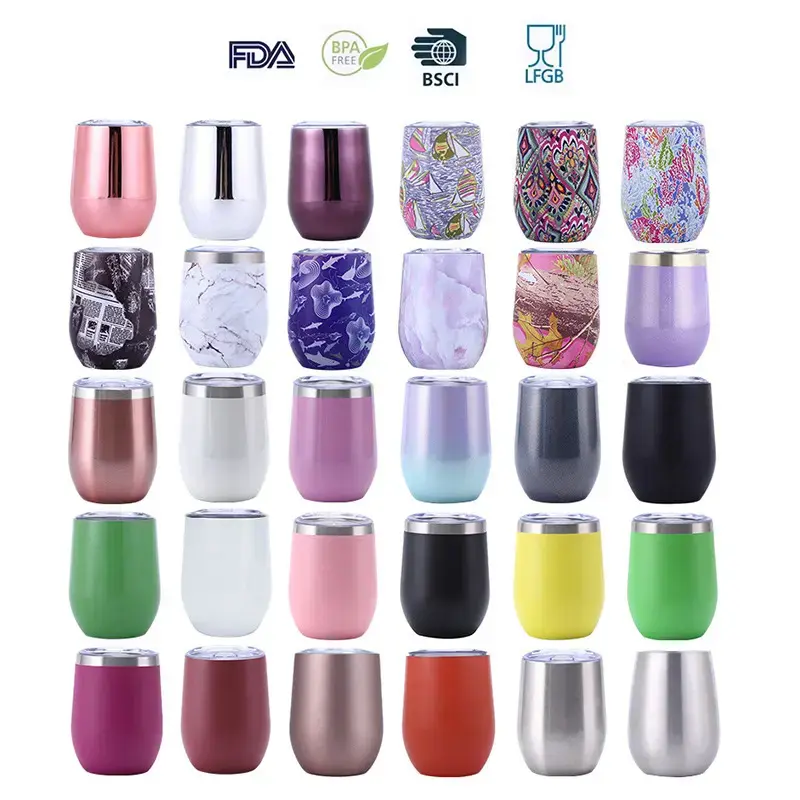
When choosing a thermos, the first thing to consider is the capacity requirement. Choose a thermos of appropriate capacity based on the usage scenario and requirements. For instance, for daily use, a 300-500 milliliter thermos can be chosen, while for outdoor activities, a 500-1000 milliliter thermos is recommended.
2. Thermal insulation performance
Heat preservation performance is a key factor in choosing a thermos cup. High-quality thermos cups usually feature vacuum insulation and a double-layer stainless steel structure, which can effectively maintain the temperature of beverages. When making a choice, you can refer to the heat preservation time of the thermos. Generally, it is recommended to choose a thermos with a heat preservation time of 6 to 12 hours.
3. Materials and Safety
The material and safety of the thermos are also very important. The inner tank should be made of food-grade stainless steel to ensure safety and non-toxicity. The lid and sealing ring should be made of materials such as polypropylene (PP) or silicone. These materials not only have good heat insulation performance but are also safe and non-toxic, suitable for long-term use.
Fourth, Conclusion
The highly efficient heat preservation performance of the thermos cup is attributed to its scientific heat preservation principles, such as vacuum insulation, double-layer stainless steel structure and materials with low thermal conductivity. These technologies can effectively reduce heat loss and maintain the temperature of beverages. By choosing the right thermos, one can meet the needs of daily drinking, outdoor activities and special environments according to different usage scenarios and requirements. High-quality thermos cups not only enhance the convenience of use but also ensure that the temperature of the beverages remains stable, providing users with a comfortable drinking experience.