
 +86-13586927333

Thermos cup factory


0102030405
Water entering the interlayer of a double-layered glass cup? All the simple and practical processing methods are right here
2025-09-19
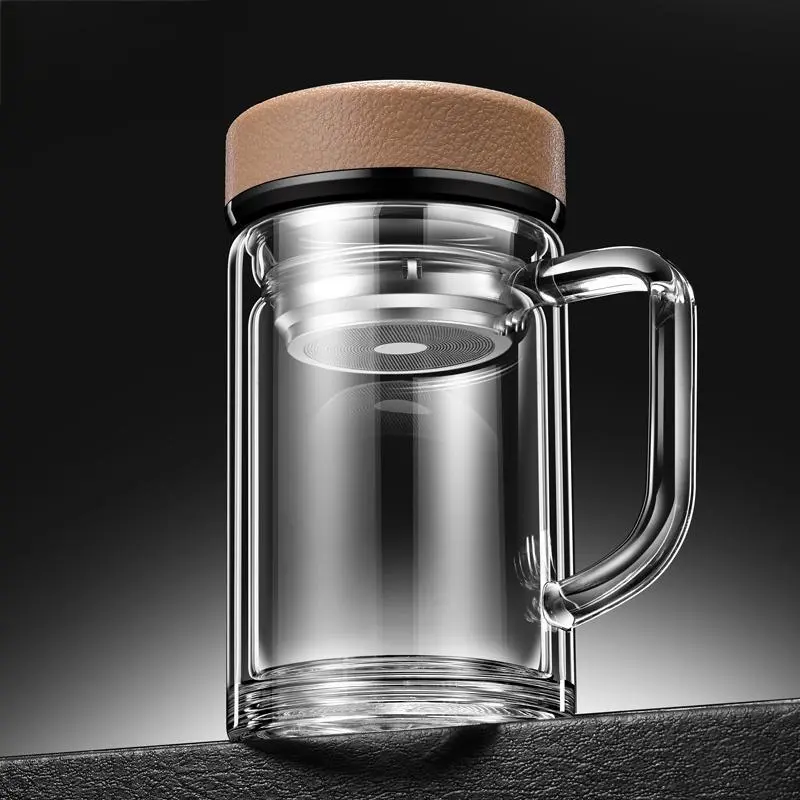
Double-layered glass cups, with their features of heat insulation, anti-scald, transparency and beauty, have become the first choice for many people to hold water and make tea in their daily lives. However, after using it for a period of time, many people will encounter a problem - water gets into the interlayer for no reason. Not only does it look foggy and affect the appearance, but long-term water accumulation may also breed bacteria and even affect the service life of the cup. In fact, water ingress in the interlayer is not unsolvable. By mastering the correct handling method, the cup can be restored to its original refreshing state.
First of all, it should be understood that water ingress in the interlayer of double-layered glass cups is mostly related to sealing issues. The interlayer of this type of cup is originally designed for sealing to isolate the temperature inside and outside. If the sealing ring at the cup mouth ages, there is a tiny gap at the connection between the cup lid and the cup body, or if the sealing structure becomes loose due to excessive force during cleaning, water may seep into the interlayer through the gap. If you find water inside, don't panic. First, based on the amount of accumulated water and the condition of the cup, choose the corresponding emergency treatment method.

First, emergency response: Rapidly reduce the moisture content in the interlayer
If water has just entered the interlayer and the accumulated water is not much, you can first try a simple drying method. The first step is to completely empty the cup, discard all the liquid inside, then open the lid and turn the cup upside down in a dry and well-ventilated place - such as a windowsill or a shady spot on the balcony. Be careful not to expose it to direct sunlight, as high temperatures may cause uneven heating of the glass and lead to cracks. Turning it upside down allows the water in the interlayer to flow out naturally through the gap at the rim of the cup. Usually, after 1 to 2 days, a small amount of accumulated water can be basically drained.
If you want to speed up the drying process, you can also use common tools at home. Prepare a clean soft cloth, wrap the outside of the cup, and gently shake the cup (do not apply too much force to avoid damaging the glass from colliding) to help the water in the interlayer flow to the area near the rim of the cup. Then, use the low-temperature setting of the hair dryer to slowly blow air into the gap of the cup mouth, allowing the airflow to drive out the moisture in the interlayer. Special attention should be paid here. The hair dryer must be set to the low temperature setting, and the air outlet should not be too close to the glass. Otherwise, high temperatures will damage the sealing structure of the cup and even cause the glass to deform.
Second, deep drying: Dealing with stubborn water accumulation
If there is a large amount of water accumulation in the interlayer or if there is still residual water mist after being placed to dry, a more meticulous deep drying treatment is required. First, prepare some dry rice or silica gel desiccants - rice has strong water absorption and its fine particles can penetrate deep into crevices, while silica gel desiccants are suitable for situations where you are concerned about rice residue. Pour dry rice (about one-third of the cup's capacity) or an appropriate amount of silica gel desiccant into the inside of the cup, then tightly close the lid, gently flip and shake the cup to allow the rice or desiccant to fully contact the gap near the rim of the cup, and the moisture in the interlayer will be carried away through adsorption.
After shaking for 5 to 10 minutes, pour out the rice or desiccant and observe whether the water mist in the interlayer has decreased. If there is still any residue, you can replace it with new rice or desiccant and repeat the operation. It should be noted that when pouring in the rice, excessive force should be avoided to prevent the particles from hitting the glass and causing scratches. When using silica gel desiccants, make sure the desiccant is not damaged to prevent powder from seeping into the interlayer and affecting its use.
Third, repair and prevention: Avoid water ingress again
After dealing with the accumulated water in the interlayer, it is also necessary to check the sealing structure of the cup to prevent water from seeping in again. First, observe whether the sealing ring at the rim of the cup is deformed, aged or damaged. If the sealing ring has lost its elasticity, you can try rinsing it with clean water and then drying it to see if the sealing effect can be restored. If the sealing ring has cracked or hardened, it is recommended to replace it with a sealing ring of the same size in time to ensure a tight connection between the cup lid and the cup body.
When in daily use, it is also important to avoid exposing the cup to high-temperature environments for long periods of time. For instance, do not directly place a cup that has just been filled with boiling water into cold water, as a sudden change in temperature may cause the glass gaps to widen. When cleaning the cup, do not use a hard-bristled brush to scrub the sealing area of the cup mouth forcefully to avoid damaging the sealing ring. When filling the cup with water, do not fill it too full to avoid the liquid overflowing and seeping into the interlayer when the lid is closed.
In addition, when storing cups, it is recommended to place the LIDS staggered from the rim of the cups and not completely close them. This ensures good ventilation inside the cups and reduces the retention of moisture. If the cup is not used for a long time, you can put a small packet of silica gel desiccant inside the cup and then cover it with the lid. This can effectively prevent the interlayer from getting damp.
Although water ingress in the interlayer of a double-layered glass cup is common, as long as it is dealt with promptly and maintained correctly, the cup can continue to function properly. Remember, when dealing with accumulated water, avoid using high temperatures or violent means, and protect the glass and sealing structure well. If you pay more attention to details in daily use, you can reduce the occurrence of water ingress and keep your cup always clear and clean.