
 +86-13586927333

Thermos cup factory

0102030405
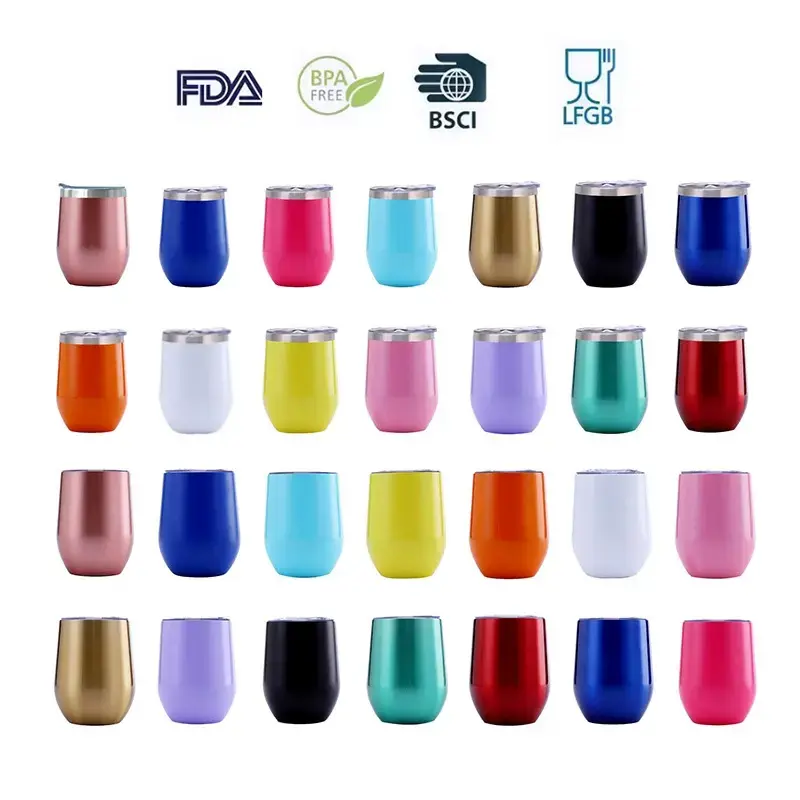
Wholesale Egg-Shaped Vogue Cups from China: Supply Chain Advantages and Cost Control Techniques
2026-01-07
Wholesale Egg-Shaped Vogue Cups from China: Supply Chain Advantages and Cost Control Techniques
Many cross-border buyers and B2B clients seek eye-catching cups but often face pitfalls in supply stability and costs. While egg-shaped Vogue cups are trendy, their high prices for small orders and delayed delivery times remain common headaches.
In reality, sourcing wholesale from China can balance design, production capacity, and price advantages. By understanding supply chain intricacies, you can reduce costs without compromising quality.
This article dissects the real strategies of Chinese wholesale, helping you recognize advantages, avoid pitfalls, and secure profits. Let's start with the supply chain.
1. Supply Chain Concentration|Why Are Delivery Times Faster for Wholesale Egg-Shaped Vogue Cups in China?
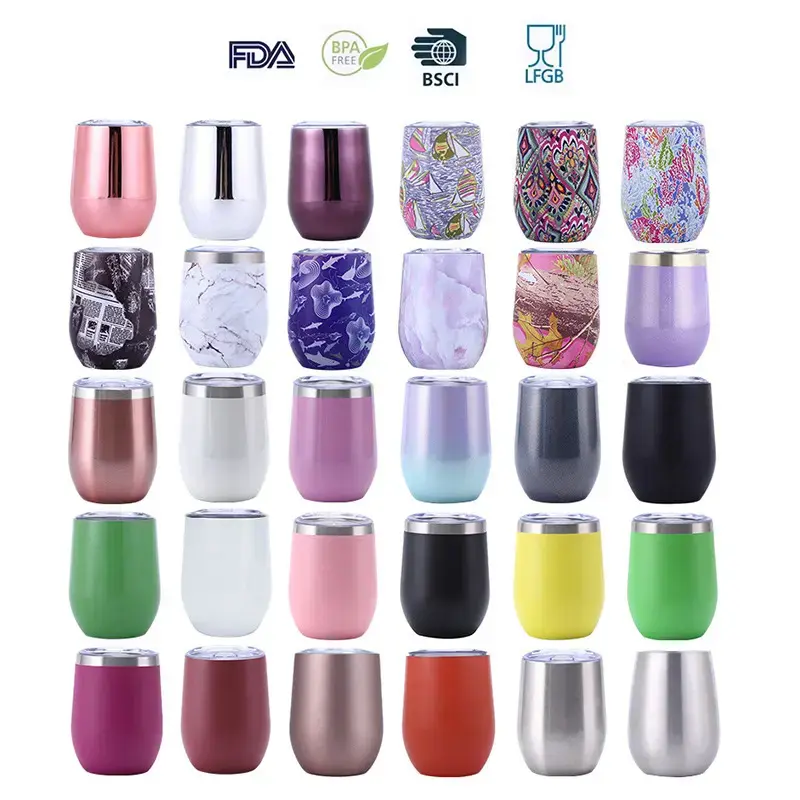
Oval Vogue cups feature non-standard shapes requiring high mold precision.
China's daily ceramic production clusters—like Chaozhou, Dehua, and Liling—boast fully integrated industrial chains.
From clay preparation and forming to printing and firing, all processes occur within driving distance.
This enables rapid communication, short sample revision cycles, and flexible production scheduling.
Case Study: A Zhejiang-based cross-border e-commerce company launched egg-shaped Vogue cups last year. By sourcing directly from a Chaozhou factory, the first batch of 5,000 samples shipped within 10 days of confirmation—three weeks faster than European suppliers.
User Question: Does production concentration mean severe homogenization?
Answer: Concentration shortens supply chain radius but doesn't limit customization. Factories with R&D capabilities can differentiate through glaze colors and textures to avoid design duplication.
Cluster effects give Chinese wholesalers a competitive edge in speed and adaptability.
2. Cost Control Techniques|How to reduce costs without compromising quality?
Costs for the egg-shaped Vogue cup primarily stem from molds, clay materials, printing, and firing.
Bulk orders spread mold costs. Typically, orders over 10,000 units reduce mold cost to under 5% of total expenses.
Opting for standard glaze colors and techniques while minimizing complex decals can save 15%-25% on processing fees.
Shipping via full container load (FCL) cuts logistics costs by half compared to piecemeal express delivery.
Data: A Guangdong-based B2B gift company increased its order from 3,000 to 8,000 pieces and switched to a basic glossy glaze, reducing overall costs by 18% and boosting gross profit by nearly 12%.
User Question: Does bulk order always mean lower prices? What if the products don't sell?
Answer: Larger volumes offer greater bargaining power, but orders should be split based on sales forecasts. Negotiate “rolling production” with factories—test the market first, then place additional orders to minimize inventory risk.
The key to cost control lies in balancing minimum order quantities with sales cadence.
3. Customization & Quality Control|How to ensure egg-shaped Vogue cups meet specifications during cross-border procurement?
Non-standard cups are prone to dimensional deviations and glaze imperfections.
When sourcing wholesale in China, prioritize factories with cup manufacturing expertise. Confirm the cup's curvature with pre-production samples.
Implement third-party inspections or pre-shipment video verification to screen out obvious defects early.
Contractually specify glaze color codes, dimensional tolerances, and maximum breakage rates.
Case Study: An Australian coffee chain customized egg-shaped Vogue cups for seasonal promotions. Partnering with a Fujian factory, they conducted three small-batch trials. After each inspection, they fine-tuned the curvature, ultimately achieving a 97% pass rate—a 21% improvement over the initial order.
User Question: If custom designs have issues, will the factory take responsibility for revisions?
Answer: Reputable factories include rework clauses in contracts. Allocating modification budgets and timelines before mass production prevents large-scale losses.
Key takeaway: Test small batches before scaling up. Avoid committing to full production runs initially.

4. Compliance & Certification|What to note for egg-shaped Vogue cups exported to Europe/US markets?
European and American markets enforce stringent food contact material testing. Compliance with standards like FDA and LFGB is mandatory.
Many established Chinese cup manufacturers already possess export qualifications with complete test reports.
Pre-confirm glaze heavy metal leaching, microwave and dishwasher safety.
Packaging must pass environmental standards—German and Nordic clients particularly prioritize recyclable labeling.
Data: A cross-border trader reported that using factories with FDA reports reduced US customs clearance by 4 days on average, with return rates below 0.5%.
User Question: Does certification significantly increase costs?
A: Basic food-grade glazes and testing incur minimal costs when distributed across bulk orders. Initial certification fees account for approximately 2%-3% of unit price but are reusable, resulting in negligible additional expenses for subsequent orders.
Early compliance not only mitigates risks but also creates a competitive advantage.
FAQ Section
Q1: What is the typical minimum order quantity (MOQ) for the Egg-Shaped Vogue Cup?
A: Depending on complexity, standard designs typically require 1,000-3,000 pieces. Simple solid-color options can start at 500 pieces.
Q2: What is the shipping timeline for wholesale orders from China to Europe/America?
A: Full container load (FCL) sea freight takes 25-35 days; air freight takes 7-12 days. Advance planning can align with sales schedules.
Q3: Can we do OEM branding without factory information?
A: Yes. Most Chinese manufacturers support neutral packaging or custom logos. Simply discuss printing locations and methods in advance.
In today's global cup market driven by personalization and differentiation, wholesaling egg-shaped Vogue cups from China leverages mature industrial supply chains while maintaining profit margins through strategic cost control and quality management. Whether you're a cross-border buyer, end consumer, or B2B client, mastering the right approach turns this trending cup design into an eye-catching, profitable hit.
Meta Description
Wholesale egg-shaped Vogue cups from China leverage concentrated supply chains and cost advantages, enabling cross-border buyers and B2B clients to achieve fast delivery and lower costs. This article shares real-world case studies and practical techniques covering customization, quality control, compliance, and logistics—teaching you to steadily build best-selling cup designs. Learn now to embark on your high-value wholesale journey.
Keywords
Egg-shaped Vogue cups; China wholesale cups; cross-border cup procurement; B2B cup supply chain; cost control techniques