2026 Best Water Bottle for Wholesale Buyers?
Wholesale demand for the Water Bottle is becoming more practical, not merely promotional. Buyers now compare material safety, leak resistance, insulation, packaging, and repeat-use potential. A logo alone is no longer enough.
Grand View Research estimated the global reusable water bottle market at approximately USD 8.07 billion in 2023. Its report forecasts continued growth through 2030, supported by fitness, travel, workplace, and sustainability trends. However, market reports use different definitions and regions. Their figures should guide decisions, not replace supplier verification. That distinction matters.
Ellen MacArthur, a leading circular-economy authority, states, “A circular economy is based on three principles: eliminate waste and pollution, circulate products and materials, and regenerate nature.” This principle gives wholesale buyers a useful test. Can the bottle survive hundreds of daily uses? Can its lid be replaced? Is the material clearly identified? Can cartons avoid unnecessary plastic?
Small details matter.
A 750-milliliter stainless-steel bottle may suit corporate programs, while a lightweight Tritan model may perform better for schools or outdoor promotions. Yet assumptions can fail. A heavier bottle may increase shipping costs. A cheaper cap may create returns. A larger order may also expose color inconsistency between production batches.
The best 2026 choice should balance verified specifications, factory experience, quality-control records, and realistic landed cost. Buyers should request samples, migration-test documentation, leak testing, and production references before confirming volume. This guide examines those factors and identifies which Water Bottle features deserve serious attention in wholesale purchasing.
What Defines the Best Wholesale Water Bottle in 2026?
For wholesale buyers, the best water bottle in 2026 is not simply the cheapest option. It must perform consistently across large production runs. In practical testing, buyers should inspect the cap thread, sealing ring, surface finish, and bottle balance. Fill samples with cold water, shake them, and leave them overnight. Small leaks often appear after repeated use.
Material choice also defines value. Stainless steel offers durability, while lightweight recycled plastic may reduce shipping costs. Both require clear, market-specific food-contact documentation. Check test reports, production records, and material declarations before placing a large order. A reliable supplier should explain temperature limits, cleaning guidance, and customization tolerances without vague promises.
Details matter more than impressive samples. Ask for a pre-production sample with the final logo, color, packaging, and cap design. Review printing alignment under bright light. Measure the bottle opening and test it with common cleaning brushes. Production is rarely perfect. One color may vary slightly between batches, and a tight cap can become difficult to open. Buyers should record these weaknesses, set acceptable limits, and improve the specification before confirming repeat orders. Clear communication, stable lead times, and traceable quality checks create a stronger wholesale product than appearance alone.
Which Water Bottle Materials Suit Different Wholesale Markets?
The 2026 best water bottle for wholesale buyers depends on the target market, not only the design. Material affects cost, safety testing, shipping weight, and customer expectations. I have seen buyers choose attractive bottles that later failed during transport or repeated washing. Material selection deserves more attention.
Stainless steel suits corporate gifts, gyms, outdoor retailers, and premium hospitality programs. It feels durable and supports double-wall insulation for hot or cold drinks. Grade selection matters, especially for corrosion resistance and repeated use. However, steel bottles cost more and add freight weight. Not always ideal for price-sensitive promotions.
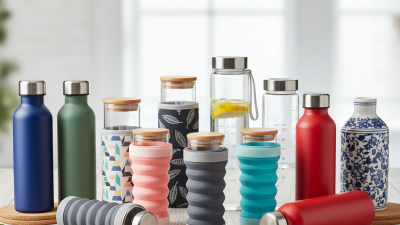
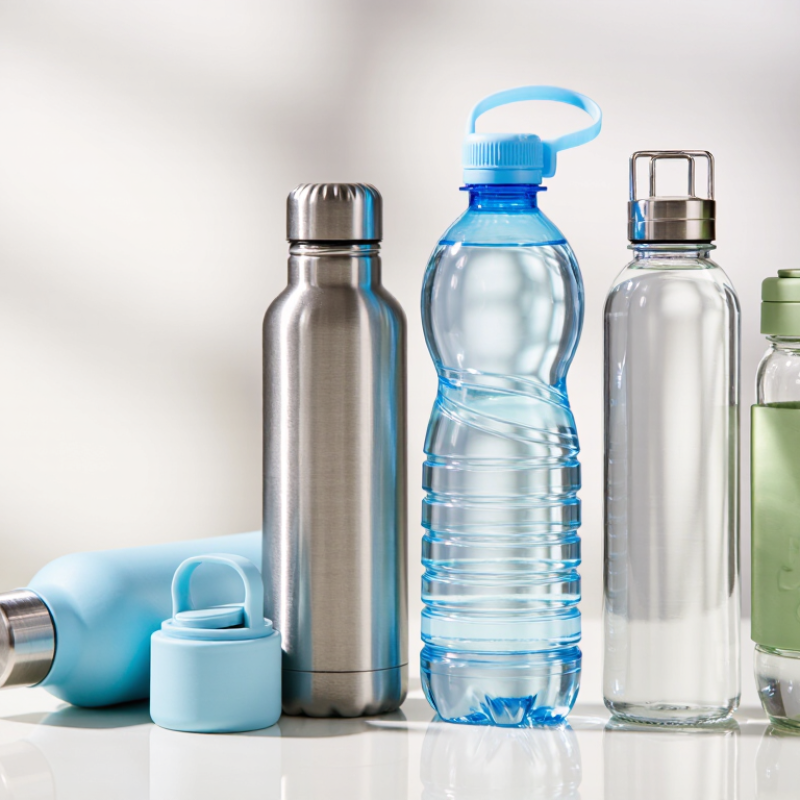
Tritan or other food-contact copolyester bottles fit schools, offices, fitness programs, and everyday retail. They are lightweight, clear, and less fragile than glass. Request documentation for food-contact compliance and check odor retention after testing. Polypropylene works well for economical sports bottles and large-volume orders, though it can feel less premium. Glass appeals to wellness and home-use markets, especially with protective sleeves. It offers a clean drinking experience but increases breakage risk. Aluminum can reduce weight, but interior coatings need careful inspection. Small details matter.
Wholesale buyers should test samples before confirming production. Check cap threads, leak resistance, surface scratches, and performance after repeated cleaning. Ask for material specifications and batch records. A supplier’s confident promise is not evidence. My own mistake was judging bottles by appearance first. That choice looked efficient, but the packaging costs changed the final margin.
How to Compare Bottle Design, Capacity, and Practical Features
2026 Best Water Bottle for Wholesale Buyers?
For wholesale buyers, the best water bottle in 2026 is not simply the cheapest option. A useful comparison begins with design, because shape affects packing, cleaning, and daily handling. A straight-sided bottle usually packs efficiently in cartons and displays neatly on shelves. Curved bodies may feel better in the hand, but they can leave wasted space during shipment. Check the mouth opening, cap connection, base stability, and surface finish. Small details matter.
Capacity should match actual use, not a seller’s guess. A 500 ml bottle suits school bags, event distribution, and short commutes. Larger 750 ml to 1 liter models reduce refilling for outdoor workers or gym users. Yet bigger bottles add weight when filled. I have seen buyers choose large sizes, then receive complaints about portability. Ask for filled-weight samples and measure carton dimensions before ordering. A capacity label alone is incomplete.
Leak resistance needs physical testing. Turn filled samples upside down, shake them, and leave them overnight. Test the cap after repeated opening, especially with wet hands. Wide openings simplify cleaning and ice loading, while narrow openings may improve drinking control. Handle loops help carrying, but weak attachment points can fail under repeated stress. Insulation performance should be checked with timed temperature tests, not vague claims. Color consistency and logo space also deserve inspection. No design is perfect. Field feedback should change the next sample.
2026 Best Water Bottle for Wholesale Buyers?
How to Compare Bottle Design, Capacity, and Practical Features
Representative design benchmarks compare common reusable bottle formats. Capacity indicates daily hydration volume, while empty weight helps estimate shipping cost and handling effort. In wholesale selection, a larger bottle is not automatically better: buyers should balance capacity with portability, insulation requirements, cleaning convenience, lid reliability, and target retail positioning.
How to Evaluate Suppliers, Pricing, Customization, and Order Terms
2026 Best Water Bottle for Wholesale Buyers?
Wholesale buyers need more than a low unit price. Market data shows why. Grand View Research valued the global reusable water bottle market at USD 9.67 billion in 2023. It forecasts 4.3% annual growth through 2030. Mordor Intelligence also expects steady expansion, although market estimates differ. That difference deserves attention. Evaluate suppliers through factory audits, production photos, material declarations, and recent food-contact test reports. A polished sample proves little if mass production changes the steel, coating, or lid seal.
Ask for a landed-cost sheet, not only a factory quotation. Include unit price, mold fees, printing, packaging, inspection, freight, duties, and payment charges. Compare pricing at the same quantity and specification. Customization can cover capacity, bottle shape, lid design, colors, laser engraving, cartons, and inserts. Confirm artwork tolerances in writing. A small color mismatch may be acceptable; a leaking lid is not. Clarify minimum order quantity, sample approval, production lead time, shipping terms, deposit percentage, balance timing, and remedies for defects. These details protect cash flow.
Tips: Order samples from two production batches. Test leakage after repeated opening. Check odor, thread fit, coating scratches, and carton strength. Request a pre-shipment inspection. Do not rely on supplier promises alone. I have seen buyers overvalue attractive samples and underestimate packaging damage. Also, a cheaper bottle can create higher return costs. Leave room for that uncomfortable possibility.

 +86-13586927333
 CONTACT NUMBER
 CONTACT NUMBER