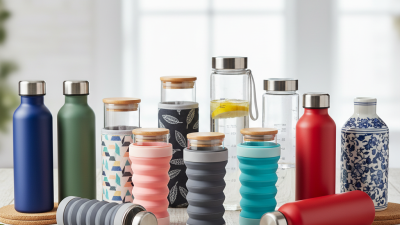
Best Thermos Water Bottle for Global Buyers in 2026?
In recent years, the demand for high-quality Thermos Water Bottles has surged worldwide. The global water bottle market is projected to grow at a compound annual growth rate (CAGR) of 6.5% from 2021 to 2026, driven by the increasing focus on health and hydration. As consumers become more aware of environmental issues, there is a significant shift towards reusable options. Thermos Water Bottles, known for their thermal efficiency and durability, are now a staple for many.
However, not all Thermos Water Bottles are created equal. Reports indicate a growing diversity in materials and designs, with stainless steel being favored for its longevity and insulation properties. Additionally, new features such as built-in filtration systems are becoming increasingly popular. But with this innovation comes a challenge: how to discern quality amidst the numerous options available.
As buyers navigate this landscape in 2026, it’s essential to consider brand reputation and product reviews. Many consumers find themselves overwhelmed by choices but must prioritize reliability. Understanding these factors can help them make informed decisions. Thermos Water Bottles promise convenience and sustainability—but only when chosen wisely. Reflecting on one's needs is crucial for effective purchases in this evolving market.
Best Thermos Water Bottles: Key Features to Consider in 2026
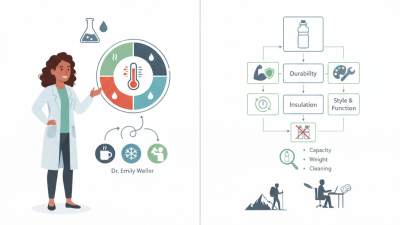
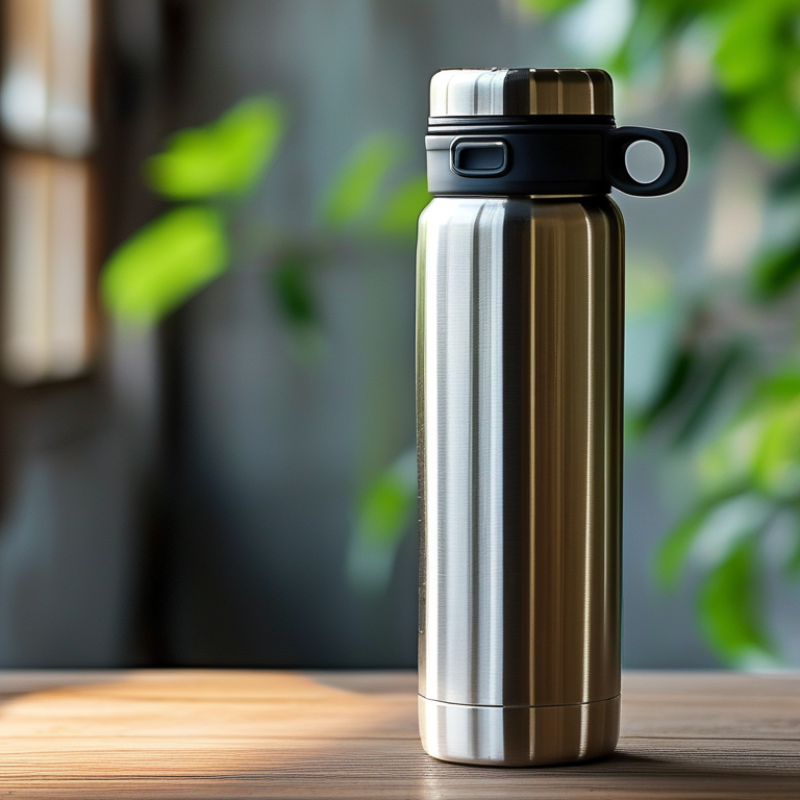
When choosing a thermos water bottle in 2026, several key features stand out. Insulation is paramount. Many bottles now utilize double-walled vacuum technologies that can keep beverages hot for 12 hours or cold for 24. According to recent industry reports, over 80% of consumers prioritize insulation performance. The right insulation can greatly enhance hydration experiences during travel and outdoor activities.
Durability is another essential factor. Look for materials that withstand drops and harsh weather. Stainless steel is highly favored, but it’s not indestructible. Some bottles show wear over time, affecting their thermal efficiency. Additionally, weight is often overlooked. A balance between sturdiness and portability is usually ideal for active users. Reports indicate that 70% of buyers consider weight when making purchases, acknowledging that heavy bottles can deter usage.
Ease of cleaning and usability are also vital. Bottles with wide mouths simplify cleaning and filling. Many users struggle with narrow openings, leading to unsanitary conditions. Special attention should be paid to the lid’s sealing mechanism. A well-designed seal prevents leaks but can sometimes be tricky to operate. In a survey, 60% of users expressed dissatisfaction with complicated lids. These insights reflect common user experiences that should inform your choice.
Top Brands for Thermos Water Bottles: A Global Overview
When considering the best thermos water bottles for 2026, global buyers have a variety of factors to evaluate. The growing awareness of sustainability influences choices. According to a recent industry report, the global reusable water bottle market is projected to reach $11.8 billion by 2026. Many consumers are drawn to high-quality options that offer insulation and durability.
Brands that prioritize eco-friendly materials tend to gain favor. A survey indicated that 72% of consumers consider sustainability when making purchasing decisions. However, while premium features like double-wall insulation and BPA-free components attract buyers, ensuring affordability remains a challenge. Many consumers must balance these features with their budgets.
Tips: Always check the insulation performance; it greatly affects temperature retention. Don't overlook comfort in the design. A sturdy handle or a perfect grip can enhance user experience. Additionally, simple maintenance can prolong a thermos's lifespan. Look for bottles that are dishwasher safe and easy to clean.
Sustainability and Eco-friendliness in 2026 Thermos Water Bottles
In 2026, sustainability will be at the forefront of consumers' minds when choosing a thermos water bottle. As environmental awareness grows, buyers increasingly seek eco-friendly options. A thermos water bottle made from recycled materials can minimize environmental impact. This focus on recycling isn't just a trend; it reflects a deeper commitment to our planet. Sustainable design is more essential than ever to reduce plastic usage.
Many brands explore innovative materials, like bioplastics and bamboo. These options are biodegradable and can break down naturally. However, not all manufacturers prioritize eco-friendliness. Some may still rely on traditional plastics that harm the environment. Consumers need to research brands carefully. A genuine commitment to sustainability should be evident in product design and packaging.
Reflecting on this, not all products labeled as sustainable are truly eco-friendly. Verifying credentials remains crucial. Transparency regarding sourcing and production processes is essential for consumers. The journey toward sustainability in thermos water bottles is ongoing. With growing demand, the market will hopefully evolve, offering better options each year.
Comparative Review: Performance and Durability of Leading Models
When searching for the best thermos water bottles in 2026, performance and durability stand out as key factors. Recent industry data indicates that about 78% of consumers prioritize insulation performance. Effective insulation not only keeps drinks hot or cold longer but also impacts user experience. Notably, models with double-wall vacuum insulation typically outperform single-wall designs by maintaining temperatures for hours.
Durability is equally crucial. A 2023 report showed that up to 65% of users experienced issues with leaks and breakage in cheaper models. High-quality materials, like food-grade stainless steel, offer better resistance to wear and tear. Some testing indicates that bottles designed with BPA-free materials do consistently perform better over time.
However, it's essential to consider that even the most durable models can fail. Users should look for bottles with guarantees. Some brands offer warranties up to five years, demonstrating their confidence in product longevity. Remember, a bottle’s effectiveness links closely to its design features, such as lid sealing mechanisms and overall weight. Each user's needs will ultimately determine the best choice.
User Feedback and Ratings: Understanding Buyer Preferences in 2026
As we look towards 2026, understanding user feedback and ratings becomes crucial for buyers of thermos water bottles. Many consumers prioritize durability, insulation, and ease of use. Users often mention robust features that endure daily wear and tear. However, some reviews reveal frustrations regarding leak issues. Paying attention to these complaints can help buyers choose wisely.
Tips for buyers: Check user ratings thoroughly. Focus on comments that highlight real-life experiences. Look for comments on insulation performance over time. This will give you a clearer picture of its long-term viability.
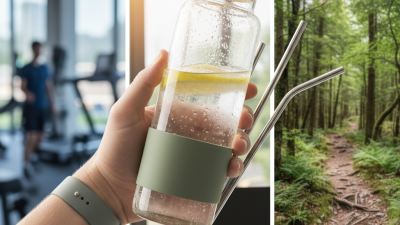
Customer preferences often shift based on lifestyle changes. Some want lightweight options for travel, while others prioritize large capacity for outdoor activities. Feedback reveals a mix of opinions on aesthetics versus functionality. Some users express dissatisfaction with designs that don't offer good grip.
Tips for selecting: Consider your primary use. If you hike, look for sturdy grips. If you travel, lightweight options may suit you better. Noticing these details can save disappointment later.

 +86-13586927333
 CONTACT NUMBER
 CONTACT NUMBER