Leave Your Message

2026 Top Water Bottle Types for Global Buyers?

Choosing the right Water Bottle in 2026 is no longer a simple matter of color, volume, or price. Global buyers now compare insulation, materials, closures, cleaning effort, shipping weight, and expected service life. A bottle used beside a gym bench faces different demands from one carried through airports, school corridors, or outdoor worksites.

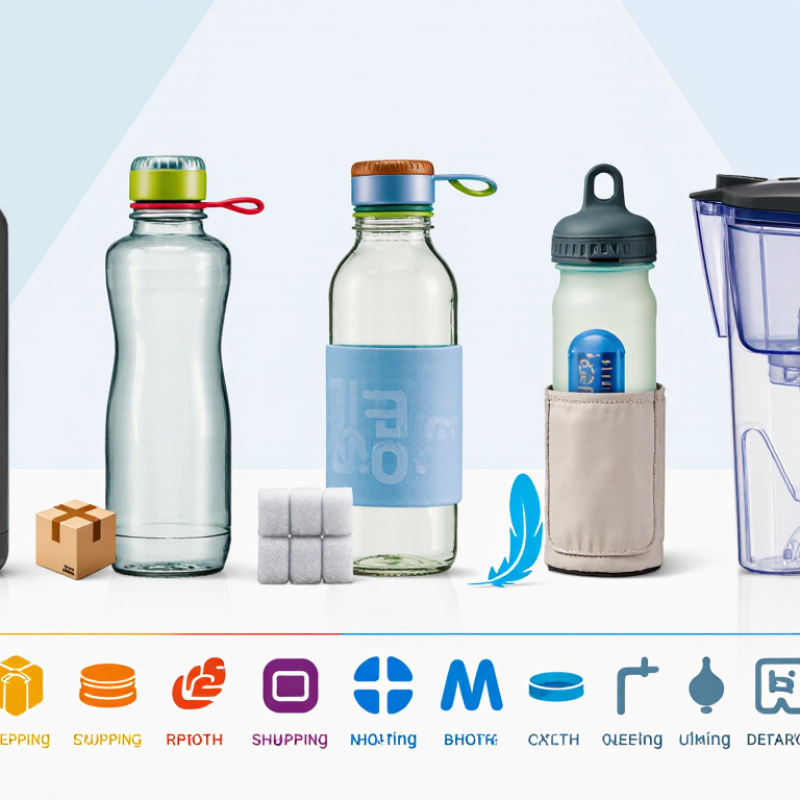
This guide examines the leading Water Bottle types for international purchasing decisions. Stainless steel models remain attractive for durability and temperature retention. Tritan and other reusable plastic options can reduce weight and freight costs. Glass offers a clean drinking experience, although breakage requires careful packaging. Collapsible bottles save storage space, but their seams and caps deserve closer inspection. Filter bottles may support travel convenience, yet replacement cartridges can complicate long-term ownership.

Small details matter.

Reliable sourcing requires more than reviewing product photographs. Buyers should request material specifications, leak-testing records, capacity measurements, packaging details, and samples from the intended production batch. Food-contact safety documentation should be checked against the destination market’s current requirements. Those rules differ across regions and may change. A supplier’s certificate is useful, but it should not replace independent verification when order value or risk is high.

The “best” bottle is rarely universal. It depends on users, climate, transport conditions, cleaning habits, and sales channels. Some conclusions may remain uncertain because new coatings, recycled materials, and smart features continue to develop. That uncertainty deserves attention. By comparing practical performance with total cost, buyers can make more defensible choices and avoid products that look impressive but disappoint after repeated daily use.
2026 Top Water Bottle Types for Global Buyers?

Water Bottle Basics: Materials, Designs, and Global Market Categories

2026 Top Water Bottle Types for Global Buyers?

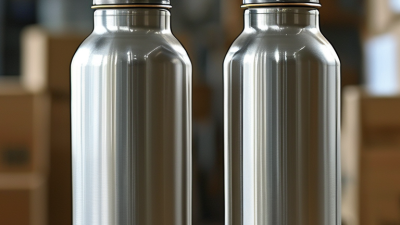
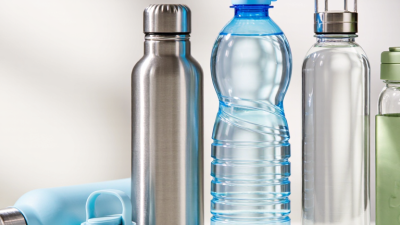
Water bottles now span several practical material and design categories. Material is the first buying decision. Stainless steel offers strong impact resistance and thermal performance. Double-wall vacuum models suit commuting, travel, and outdoor use. Glass provides a clean taste, but it needs protective sleeves and careful packaging. Polypropylene and copolyester bottles reduce weight and production cost. They fit schools, gyms, and promotional programs.

Design changes the user experience. Wide-mouth bottles are easier to clean and fill with ice. Narrow-mouth designs feel safer during walking or driving. Collapsible bottles save space, although their flexible bodies may age faster. Infuser models serve fruit and tea users. Leak-resistant caps matter more than decorative shapes. A small cap failure can damage an entire shipment’s reputation.

Market data supports this variety. Grand View Research projects the reusable water bottle market to grow at approximately 4.8% annually through 2030. The report identifies stainless steel and plastic formats as major material segments. Fortune Business Insights also expects continued demand from fitness, travel, and sustainability-focused purchasing. However, market reports often group very different products together. Buyers should compare wall structure, closure testing, food-contact documentation, and packaging protection. Certifications help, but they do not replace practical inspection. No material wins everywhere. A steel bottle can be too heavy, while a plastic bottle may feel less premium. That trade-off deserves honest review.
Leading Water Bottle Types for Different Consumer and Commercial Uses

Global buyers need water bottles matched to real usage, not attractive specifications alone. Grand View Research estimated the global reusable water bottle market at about USD 9.67 billion in 2023. Its report also forecasts steady growth through 2030. Stainless steel vacuum bottles suit commuters, outdoor users, and corporate gifts. They offer strong insulation and impact resistance. Glass bottles fit offices, hotels, and wellness settings where taste neutrality matters. They are heavier and less suitable for rough transport.

For schools, gyms, and event operators, lightweight plastic bottles remain practical. Wide openings simplify cleaning, while measurement marks support sports and workplace hydration programs.

Collapsible silicone bottles save storage space during travel and promotional distribution. Commercial buyers should inspect material declarations, cap durability, dishwasher guidance, and replacement-part availability. Small details matter.

The UN-Water 2024 report highlights continuing global pressure to improve safe water access. This supports demand for reusable formats, but access conditions differ sharply between markets. A bottle designed for filtered office water may perform poorly in remote field operations.

In procurement reviews, I often find that “leakproof” claims lack clear testing conditions. That is a weakness.

Buyers should request test methods, temperature limits, and cleaning-cycle results before approving large orders. No single type wins every market.

Comparing Insulation, Durability, Portability, and Cleaning Requirements

2026 Top Water Bottle Types for Global Buyers?
Comparing Insulation, Durability, Portability, and Cleaning Requirements

For hot climates, vacuum-insulated stainless steel bottles offer stronger temperature control than single-wall plastic. They also resist dents better, but their weight increases quickly above 750 milliliters. UNEP’s 2023 Turning off the Tap report says plastic pollution could fall 80% by 2040 with better reuse systems. That makes durability a practical purchasing factor, not just a sustainability claim. However, insulation is not magic. A warm bottle cap can weaken performance within hours.

Lightweight plastic and aluminum bottles suit commuters, cyclists, and airline travelers. Plastic usually costs less and survives repeated drops without denting. Aluminum feels lighter, but its inner coating needs inspection after scratches. For global buyers, leak resistance matters more than a fashionable shape. A narrow base may fit a vehicle holder, while a broad shoulder can make cleaning difficult. I would test the bottle when full. Empty-bottle comfort can be misleading.

Cleaning requirements deserve equal attention. The USDA recommends washing food-contact items with hot, soapy water after use. Choose a wide opening, removable gasket, and fewer hidden channels. Narrow straws may improve portability, but they can trap residue around the valve. A 2024 Columbia University analysis found about 240,000 plastic particles per liter in sampled bottled water, including many nanoplastics. That study does not prove reusable bottles are risk-free. It does support careful material selection and frequent cleaning. My own preference is imperfect: I accept a heavier bottle when its lid disassembles completely.

2026 Top Water Bottle Types for Global Buyers? - Comparing Insulation, Durability, Portability, and Cleaning Requirements
Water Bottle Type Common Capacity Typical Empty Weight Insulation Performance Durability Portability Cleaning Requirements Typical Dishwasher Compatibility Best Suited For
Double-Wall Stainless Steel Vacuum Bottle 350–1,500 ml 250–700 g ★★★★★
Hot or cold beverages commonly remain temperature-controlled for several hours; performance depends on vacuum quality, lid design, and fill level.
★★★★★
Highly resistant to impact and everyday dents; the exterior may scratch or dent under heavy use.
★★★★☆
Moderate to heavy, especially in large capacities.
Rinse promptly after use. Clean the cap, gasket, and threads carefully to reduce odor and residue buildup. Often dishwasher-safe, but hand washing is commonly recommended for painted finishes, vacuum seals, and complex lids. Travel, commuting, outdoor activities, premium reusable drinkware, and hot beverage use.
Single-Wall Stainless Steel Bottle 350–1,000 ml 120–300 g ★☆☆☆☆
Provides little thermal protection; contents generally approach ambient temperature relatively quickly.
★★★★★
Strong, reusable, and resistant to shattering; dents and surface scratches are possible.
★★★★☆
Lighter and slimmer than vacuum-insulated steel bottles.
Usually straightforward to wash. Narrow necks and removable seals still require a bottle brush and periodic deep cleaning. Many models are dishwasher-safe; check the lid, coating, and manufacturer instructions. Everyday hydration, hiking, institutional purchasing, and buyers prioritizing durability at lower weight.
Tritan Copolyester Bottle 500–1,500 ml 100–300 g ★☆☆☆☆
Normally non-insulated and best for room-temperature or chilled drinks.
★★★★☆
Light and impact-resistant, but can scratch and may eventually show clouding or wear.
★★★★★
Low weight makes it convenient for sports, school, and daily carry.
Easy to rinse and generally odor-resistant compared with some conventional plastics; clean the cap and sealing parts separately. Many bottles are dishwasher-safe, although repeated high heat can affect printed graphics and some lid components. Sports, schools, gyms, large-capacity hydration, and cost-sensitive global distribution.
Glass Bottle with Protective Sleeve 350–1,000 ml 300–650 g ★☆☆☆☆
Most models are single-wall and offer little insulation unless designed with a double-wall structure.
★★☆☆☆
Glass does not absorb odors or flavors easily, but it can break if dropped; the sleeve provides limited impact protection.
★★★☆☆
Heavier than plastic and requires more careful handling.
Non-porous glass is easy to inspect and clean. Wash the sleeve separately because fabric and silicone can retain moisture. Glass bodies are often dishwasher-safe; lids, sleeves, and decorative parts may require separate care. Home, office, wellness-focused consumers, and users who prefer a neutral-tasting container.
Aluminum Bottle 500–1,000 ml 100–250 g ★☆☆☆☆
Usually single-wall and not designed for long-term temperature retention.
★★★☆☆
Lightweight but prone to dents; an interior lining is generally used to separate beverages from bare aluminum.
★★★★★
Excellent weight-to-capacity ratio for commuting, cycling, and outdoor use.
Inspect the lining for damage and avoid abrasive cleaning tools. Dry thoroughly to limit odor and moisture retention. Dishwasher suitability varies considerably; hand washing is safer for coatings, linings, and printed surfaces. Cycling, trekking, promotional programs, and buyers seeking a lightweight metal option.
HDPE or PP Plastic Bottle 500–2,000 ml 60–220 g ★☆☆☆☆
Generally non-insulated and suitable for ambient-temperature beverages.
★★★☆☆
Light and impact-resistant, but may scratch, deform with heat, or retain odors depending on resin and design.
★★★★★
Very light, affordable, and available in a wide range of shapes and capacities.
Wash soon after use, especially after sweetened beverages. Wide openings improve access for brushes and visual inspection. Many PP models tolerate dishwashers; HDPE and lid components should be checked for heat limitations. Large-volume programs, schools, events, basic daily hydration, and value-oriented procurement.
Collapsible Silicone Bottle 500–750 ml 150–300 g ★☆☆☆☆
Normally provides little insulation and is not intended for long-term temperature retention.
★★★☆☆
Flexible and resistant to shattering, but folds, creases, valves, and seals can wear over time.
★★★★★
Collapses substantially when empty, saving space in luggage or daypacks.
Requires thorough cleaning of folds, mouthpieces, valves, and caps. Allow all parts to dry fully before collapsing and storing. Some silicone bodies are dishwasher-safe; removable valves and rigid components may require hand washing. Air travel, camping, festivals, compact storage, and occasional-use hydration.
Ceramic or Porcelain Bottle 350–750 ml 450–900 g ★☆☆☆☆
Usually single-wall and offers limited insulation without an additional thermal layer.
★★☆☆☆
Resistant to flavor transfer but vulnerable to chips and breakage if dropped.
★★☆☆☆
Heavier and less suitable for mobile use than metal or plastic alternatives.
Non-porous glazed surfaces are generally easy to wash; inspect chips and cracks before continued use. Some models are dishwasher-safe, but lids, coatings, and decorative finishes may have separate requirements. Home, office, hospitality settings, decorative collections, and users prioritizing taste neutrality.
Buying note: Performance varies by wall construction, material grade, lid design, gasket quality, manufacturing tolerances, and care instructions. Capacity, weight, and dishwasher guidance shown above represent common market ranges rather than specifications for every product.

Safety, Sustainability, Certifications, and Regional Compliance Factors

For global buyers, a water bottle is not merely a container; it is a regulated food-contact product. Material choice affects safety, durability, recycling, and regional acceptance. Stainless steel needs corrosion testing, while plastic requires migration testing under intended temperatures and use. Silicone seals deserve equal attention. They can absorb odors, swell, or fail after repeated washing. In supplier reviews, request test reports linked to the exact material, color, lid, and production site.

Compliance documents should match the destination market. European sales may require food-contact compliance under Regulation (EC) No 1935/2004 and related material rules. United States shipments need evidence supporting applicable FDA food-contact requirements. California chemical disclosure duties may add another review layer. Other regions can require local registration, language, or recycling marks. Check these details before tooling begins. A familiar certificate may not cover the complete bottle assembly. That gap causes costly delays.

Sustainability claims also need evidence, not attractive wording. Ask for recycled-content verification, chain-of-custody records, and realistic end-of-life instructions. A bottle advertised as recyclable may still contain inseparable materials or unavailable collection routes. That is easy to overlook. Buyers should test leakage, odor retention, drop resistance, and dishwasher performance. Results should reflect local water, climate, and consumer habits. No checklist is perfect. A small pilot order can reveal failures that laboratory samples hide. That modest step often protects safety, credibility, and long-term market access.

How Global Buyers Can Select the Right Water Bottle Type in 2026

Global buyers should choose a water bottle by use case, not appearance. A stainless-steel insulated bottle suits long commutes, outdoor work, and hot climates. It protects temperature well, but adds weight and increases shipping costs. A glass bottle offers a neutral taste and easy visual inspection. However, it needs protective packaging and may fail during rough transport.

For schools, events, and large-volume orders, lightweight food-grade plastic or copolyester bottles can reduce freight pressure. They are practical, but buyers should check odor retention, scratch resistance, and closure quality. The OECD’s Global Plastics Outlook reports that packaging creates about 40% of global plastic waste. Reusability must therefore mean repeated, convenient use. Otherwise, the environmental benefit remains uncertain.

Collapsible bottles save storage space. They can work for travel kits, but seams and flexible materials deserve careful testing. The United Nations Environment Programme stated in Turning off the Tap (2023) that plastic pollution could fall by 80% by 2040 through reuse, recycling, and better product design. Buyers should request migration testing, leak tests, cleaning instructions, and material documentation. Regional food-contact rules also differ. A bottle approved for one market may need additional evidence elsewhere. I have seen buyers focus on unit price and overlook replacement caps, return rates, and warehouse handling. That is an expensive mistake. Real selection requires sample trials, filled-carton testing, and feedback from the people who will use the bottle daily.

2026 Top Water Bottle Types for Global Buyers

How global buyers can select the right water bottle type in 2026

The chart compares common bottle types using a practical buyer suitability score from 1 to 5. Scores reflect typical material characteristics, including durability, portability, insulation potential, recyclability, and cost efficiency. Stainless steel is the strongest all-round option for durability and temperature retention, while reusable plastic and aluminum are generally lighter and more cost-efficient for high-volume distribution.

Indicative evaluation based on commonly documented properties of food-contact materials. Actual performance depends on wall thickness, manufacturing quality, lid design, coating, and end-of-life recycling infrastructure.