Best Reusable Water Bottles for Eco-Friendly Buyers?
In today's world, the movement toward sustainability is stronger than ever. Many consumers are making conscious choices to reduce waste and protect the environment. A key player in this eco-friendly effort is the use of reusable water bottles. These bottles come in a variety of materials, designs, and sizes. They offer both practicality and style while significantly cutting down on single-use plastic waste.
With countless options available, it can be overwhelming to choose the right one. Some bottles may leak, while others might not keep beverages cold or hot as promised. Researching brands and materials is essential. Trustworthy reviews and insights can guide buyers to the most reliable reusable water bottles.
Investing in a high-quality reusable bottle is not just about convenience. It reflects a commitment to sustainability. By opting for these eco-friendly alternatives, consumers contribute to a healthier planet. Identifying the best reusable water bottles takes time and thought. Yet, the benefits are worth the effort for individuals and the environment alike.
Benefits of Using Reusable Water Bottles for the Environment
In recent years, the environmental impact of single-use plastics has become undeniable. A report from the World Economic Forum highlights that by 2040, the ocean could contain more plastic than fish. Using reusable water bottles is a significant step toward reducing plastic waste. Each reusable bottle can eliminate the need for hundreds of disposable bottles over its lifespan. For instance, one reusable bottle could replace up to 167 plastic bottles annually.
The benefits extend beyond just waste reduction. The production of plastic bottles involves significant carbon emissions. A study from the Carbon Disclosure Project says that bottled water emits over 3 million tons of carbon dioxide each year. By opting for reusable options, consumers can contribute to lowering these emissions. However, the effectiveness of reusable bottles largely depends on user habits. Not everyone consistently uses them.
Yet, we should reflect on access and convenience. While reusable bottles can significantly reduce environmental impact, they are not a perfect solution. Some individuals may find it challenging to clean or refill bottles regularly. It's essential to recognize that while reusable bottles are better than single-use options, they should be part of a broader strategy to shift away from plastics entirely.
Materials Commonly Used in Eco-Friendly Water Bottles
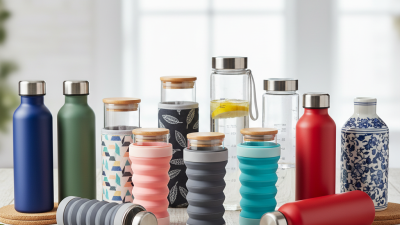
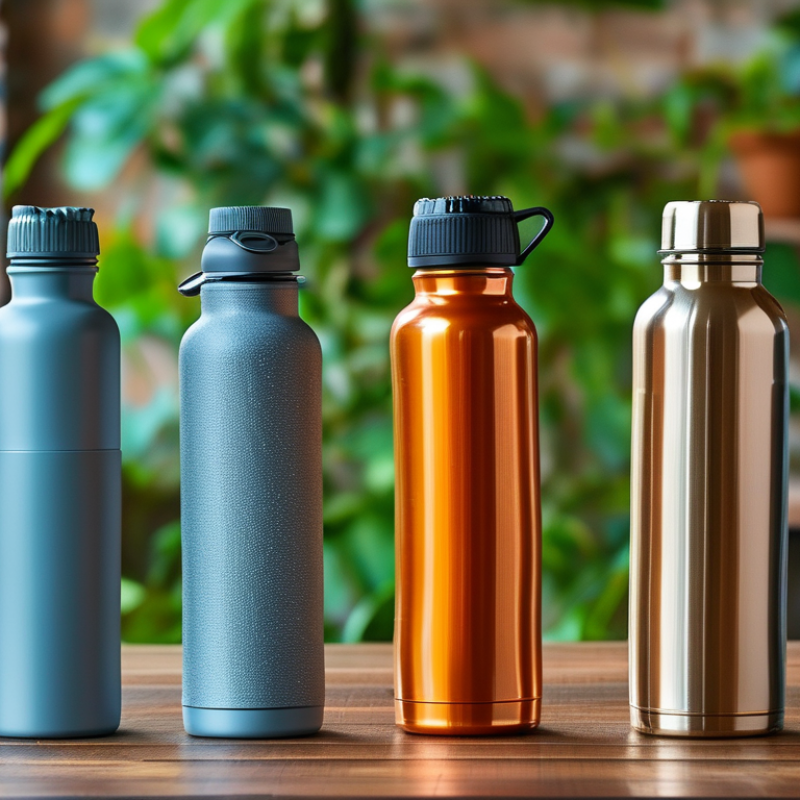
When choosing an eco-friendly water bottle, the materials used are crucial. Many reusable bottles incorporate stainless steel. This material is durable and keeps drinks cold or hot. Stainless steel bottles are resistant to rust and can last for years. However, they can be heavier than other materials, which may not suit everyone.
Another popular option is glass. Glass bottles do not retain flavors or odors. They offer a clean taste for beverages. Yet, they are fragile and can break easily. It’s important to handle them with care.
Bamboo and silicon are also emerging materials. Bamboo provides a unique aesthetic and is highly sustainable. However, it requires careful maintenance to avoid mold. Silicon, on the other hand, is lightweight and flexible. It can be a great choice for travelers. Still, its long-term environmental impact requires more examination. Choosing the right material often involves trade-offs. Each option has its advantages and downsides, leading to a decision process that reflects individual priorities and lifestyles.
Top Brands Offering Sustainable Water Bottle Options
In today's eco-conscious market, several brands stand out by offering sustainable water bottle options. The demand for reusable bottles is growing. A recent report indicates that the global reusable water bottle market will expand significantly. By 2025, it is projected to reach over $10 billion. This growth reflects an increasing consumer commitment to sustainability.
Several companies emphasize eco-friendly materials. They utilize stainless steel, glass, and recycled plastic. These materials not only reduce waste but also ensure durability. Studies show that a stainless steel bottle can replace thousands of single-use plastic bottles. However, some consumers still hesitate, unsure of the long-term impact. Despite the clear benefits, it is essential to remember that not all reusable bottles are created equal.
Some options may still present environmental challenges. For instance, certain production methods may be energy-intensive. This highlights the need for informed choices. The popularity of these products continues to rise as education about sustainability increases. When choosing a reusable water bottle, consumers should consider its life cycle. Understanding the environmental impact helps promote a more sustainable future.
Features to Look For in a Reusable Water Bottle
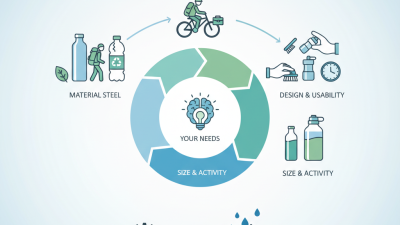
When choosing a reusable water bottle, there are key features that eco-friendly buyers should consider. Material is crucial. Look for bottles made from stainless steel or BPA-free plastic. These options are durable and can withstand daily use. Glass bottles are another choice, as they are stylish and free from harmful chemicals.
Size and capacity matter too. A bottle that holds enough water encourages hydration throughout the day. Lightweight designs are easier to carry, especially for outdoor activities. Additionally, consider the bottle's insulation. Double-wall insulation keeps drinks cold or hot for an extended time, enhancing your drinking experience.
The lid design can impact functionality. Choose a bottle with a secure, leak-proof lid to prevent spills. Some bottles have a wide mouth for easy cleaning and filling. Straws are also beneficial for sipping on the go. Overall, assess your lifestyle needs when selecting the right bottle, keeping in mind that the perfect choice may vary from person to person. Embrace imperfections and be open to trying different options until you find what works best.
Best Reusable Water Bottles for Eco-Friendly Buyers
Tips for Maintaining and Cleaning Your Reusable Water Bottle
Maintaining and cleaning your reusable water bottle is crucial for both hygiene and longevity. Regular cleaning prevents the build-up of bacteria and odors. Start with warm, soapy water. Use a bottle brush for hard-to-reach areas. Rinse thoroughly to remove soap residue. This ensures a fresh taste every time you drink.
For deeper cleaning, consider using a mix of vinegar and baking soda. This natural solution effectively breaks down stains and neutralizes odors. Allow the mixture to sit for about fifteen minutes before rinsing. Make sure to air dry your bottle completely to avoid moisture issues.
Sometimes, we forget about the lids and straws. These components can trap grime. Clean them regularly with warm water and a brush or cloth. Pay attention to any tiny cracks or damages on the bottle. They can harbor bacteria, so inspect your bottle frequently. Reusable bottles can last a long time, but they require care. An occasional oversight can turn into a larger problem if not addressed promptly.
Best Reusable Water Bottles for Eco-Friendly Buyers
| Material |
Capacity (Liters) |
Weight (grams) |
Price ($) |
Features |
| Stainless Steel |
0.75 |
250 |
25 |
Insulated, BPA-Free |
| Glass |
1.0 |
300 |
15 |
Dishwasher Safe, Wide Mouth |
| Plastic (BPA-Free) |
0.5 |
150 |
10 |
Lightweight, Flexible Lid |
| Aluminum |
0.65 |
200 |
20 |
Lightweight, Durable Finish |

 +86-13586927333
 CONTACT NUMBER
 CONTACT NUMBER