China Top 10 Monogram Mugs Manufacturers and Suppliers
Choosing reliable Monogram Mugs manufacturers in China requires more than comparing catalog photos. This guide introduces ten manufacturers and suppliers serving personalized drinkware markets. It focuses on production experience, customization capability, quality controls, and export reliability. Each company should be assessed through current product samples and direct communication.
A useful review begins with the details buyers often overlook. Check the ceramic body, glaze consistency, handle strength, and printing clarity. Ask whether names or initials are applied by decal, transfer printing, engraving, or digital technology. Request a sample before confirming a larger order. Inspect the rim, lettering alignment, and color after washing. Small defects become expensive at scale.
Supplier evaluation also includes minimum order quantities, sample fees, lead times, packaging, and shipping support. Factory audits, business records, customer references, and documented inspection procedures can strengthen confidence. However, online information may become outdated. No ranking is permanently correct. A supplier’s capabilities may change with equipment, staffing, or material availability.
This overview is designed to support practical purchasing decisions. It does not replace independent verification. Buyers should confirm food-contact compliance, packaging standards, and destination-market requirements before placing orders. Experienced importers may prioritize stable repeat production, while smaller brands may value flexible quantities. Both needs are valid. The best choice depends on budget, design complexity, sales volume, and risk tolerance. Clear specifications prevent avoidable misunderstandings. Careful sampling remains essential.
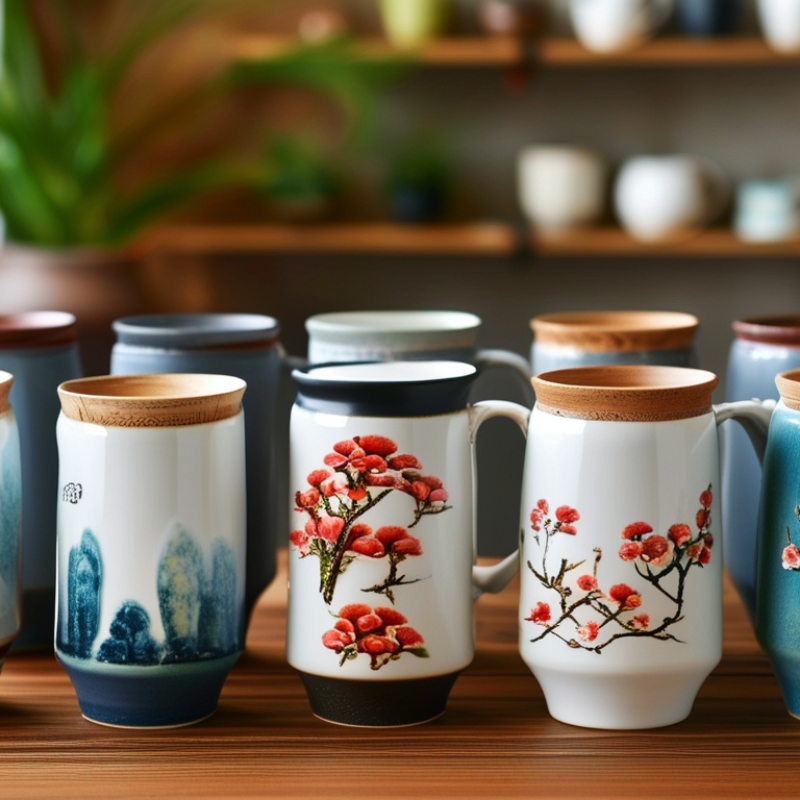
What Are Monogram Mugs and Why Are They Popular?
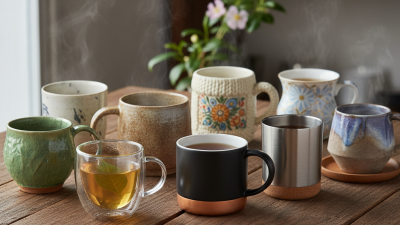
Monogram mugs are drinkware pieces marked with a person’s initials, name, or selected letter combination. The design may be printed, engraved, embossed, or applied beneath a protective glaze. A strong mug feels personal without becoming difficult to use. Think of a smooth handle, balanced weight, and lettering that remains clear after repeated washing. Some buyers prefer one bold initial. Others choose three smaller letters with a traditional arrangement.
Their popularity connects with everyday beverage habits. The National Coffee Association’s Spring 2024 report found that 67% of American adults had consumed coffee during the previous day. A frequently used cup can therefore become a visible part of personal routine. Personalization also supports gifting. Allied Market Research valued the global customized gifts market at about $26.6 billion in 2021. It projects the market to reach approximately $43.3 billion by 2031. These figures cover more than mugs, but they show strong demand for meaningful, customized products.
Monogram mugs suit weddings, offices, birthdays, and small corporate gifts. They can make a simple drink feel more intentional. Suppliers should verify letter spacing, color durability, food-contact safety, and packaging protection. A beautiful initial is not enough if it fades quickly. The evidence is useful, though not perfect. Public market reports rarely isolate monogram mugs, so demand estimates require caution. A practical test remains simple: hold the mug, inspect the lettering, and imagine washing it every morning.
How to Evaluate China’s Monogram Mug Manufacturers and Suppliers
China Top 10 Monogram Mugs Manufacturers and Suppliers
Evaluating China’s monogram mug manufacturers requires more than comparing quotations. Start with the ceramic body, glaze consistency, printing accuracy, and handle strength. Request samples from different production batches. A single perfect sample can hide uneven lettering or pinholes. Check food-contact test reports for lead and cadmium migration. Confirm the laboratory, test date, and tested material.
Production control matters just as much. Ask for a documented inspection plan, defect limits, traceability records, and corrective-action reports. The ISO Survey 2023 recorded more than 1.2 million ISO 9001 certificates worldwide, but certification alone proves limited capability. It does not guarantee accurate monograms or careful packing. Ask whether the factory controls artwork approval, color matching, kiln temperature, and final inspection internally. The World Bank’s 2023 Logistics Performance Index gave China a 3.7 score and ranked it 19th among 139 economies. Still, export performance can vary by port, season, and supplier experience.
Tips: Compare three samples, not one. Weigh each mug. Measure the rim and handle. Request a drop-test video for packed cartons. Clarify minimum order quantities, replacement policies, lead times, and shipping terms in writing. Visit the facility when possible. A video call is useful, but imperfect. I once overlooked carton strength because the product looked excellent. That mistake increased breakage costs. Reliable suppliers welcome questions and provide dated evidence, not vague promises.
How to Evaluate China’s Monogram Mug Manufacturers and Suppliers
Suggested evaluation weights for comparing suppliers of customized ceramic and porcelain monogram mugs
Product quality and compliance receive the highest weighting because food-contact safety, glazing consistency, decoration durability, and reliable inspection records directly affect customer satisfaction. Customization capability, production capacity, MOQ flexibility, export experience, total cost, and after-sales communication help assess whether a supplier can support a stable and scalable monogram mug program.
China’s Top 10 Monogram Mug Manufacturers and Suppliers
China’s Top 10 Monogram Mug Manufacturers and Suppliers
China’s top 10 monogram mug manufacturers and suppliers serve gift retailers, hospitality buyers, and promotional distributors. This shortlist should reflect more than factory size. Practical experience shows that stable glaze quality, accurate lettering, and responsive sampling matter just as much.
Several established suppliers operate near ceramic production centers in Fujian, Guangdong, Jiangsu, and Zhejiang. Some offer porcelain, stoneware, enamel, or stainless-steel mugs. Their decoration teams commonly use ceramic decals, screen printing, laser marking, and heat-transfer methods. Ask for a physical sample.
A reliable supplier should provide material details, food-contact testing, carton specifications, and production photographs. Factory audits can reveal storage conditions, kiln maintenance, and inspection routines. Small details matter. Check the monogram’s position after washing, not only before delivery. Request a pre-production sample with the final initials, colors, and packaging.
Minimum order quantities vary widely. Custom molds usually require higher commitments, while stock shapes allow faster launches. Typical production schedules may range from two to eight weeks, depending on decoration complexity and seasonal demand. However, these figures are not guarantees. Port congestion, rework, or unclear artwork can create delays.
The “top 10” label should remain flexible. Rankings change as equipment, staffing, and export performance change. A polished catalog can hide inconsistent batches. I would compare at least three suppliers, record every specification, and review corrective-action responses. That process feels slower, but it reduces expensive surprises.
Ordering, Pricing, Shipping, and Supplier Selection Guide
Ordering monogram mugs from China works best when specifications are fixed before requesting quotes. Define mug capacity, ceramic type, glaze, monogram method, letter size, color references, packaging, and target quantity. I usually ask for a digital proof and a physical pre-production sample. A sample can reveal uneven lettering or a handle that feels too thin. Small details matter.
Ask suppliers to separate product, decoration, packaging, tooling, inspection, and shipping costs. Unit prices often fall at higher quantities, but setup fees may remain unchanged. Request quotes at three volume levels. Compare the same specifications, not attractive headline prices. Confirm payment stages, quotation validity, replacement terms, and revision charges. I once treated packaging as a minor cost; the final carton requirement changed the budget. That mistake was avoidable.
For shipping, confirm carton dimensions, gross weight, destination, trade terms, and estimated production time. Ceramic goods need dividers, drop testing, and moisture-resistant outer cartons. Ask whether the supplier can provide inspection photos, batch records, and a clear defect policy. A reliable partner answers specific questions quickly and reports delays early. Check factory experience with personalized orders, peak-season capacity, quality controls, and sample consistency. Do not rely on certificates alone. Verify documents and test the communication process. If responses remain vague, keep searching, even when the quote looks attractive.

 +86-13586927333
 CONTACT NUMBER
 CONTACT NUMBER