How to Choose the Right Metal Bottle for Your Needs?
Choosing the right metal bottle is not just about brand or price. It involves understanding your specific needs. Metal bottles come in various materials, sizes, and designs. Each option serves different purposes.
Consider the material. Stainless steel, for example, is robust and insulates well. Aluminum is lightweight and portable, but it may not keep beverages hot or cold for long. Determine how you plan to use your metal bottle every day. Will it be for workouts, travel, or daily hydration? Think about your lifestyle.
Weight and capacity are also key factors. A larger bottle holds more liquid, but it may be cumbersome to carry. A smaller one is easy to pack but may require frequent refills. Balancing these aspects can be tricky. You may find that some choices do not meet all your expectations. Take time to reflect on what truly matters to you in a metal bottle. Your best choice is one that fits your needs and enhances your hydration experience.
Understanding Different Types of Metal Bottles Available on the Market
When choosing a metal bottle, understanding the different types available is crucial.
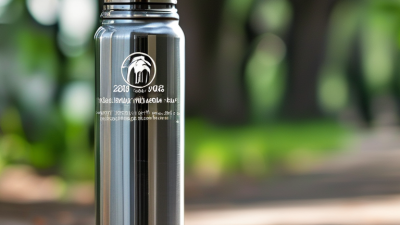
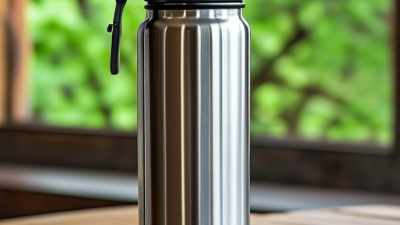
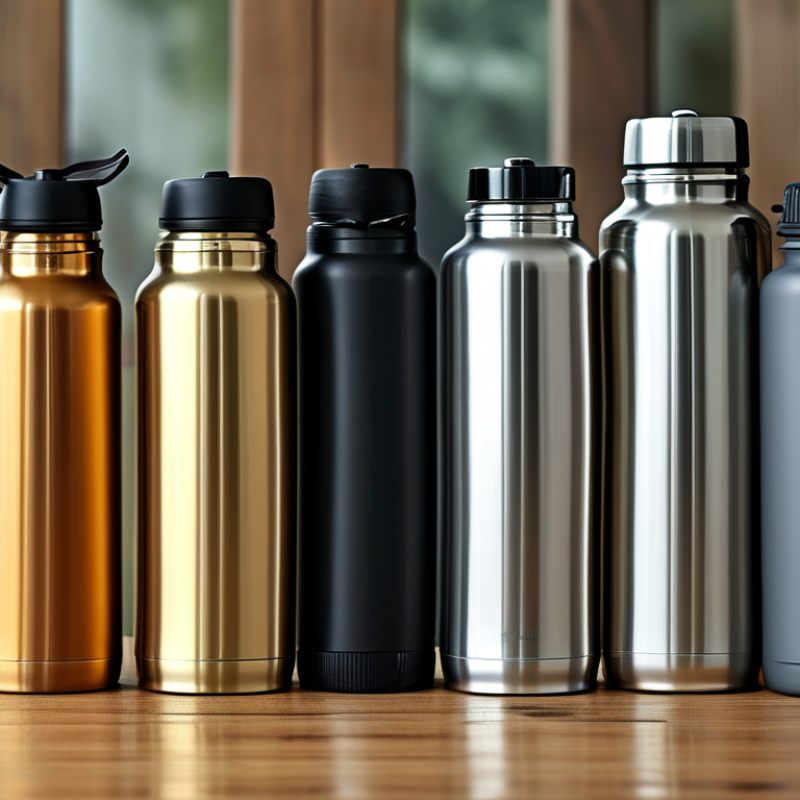
Stainless steel is widely popular. It is durable, resistant to rust, and keeps beverages cold or hot for hours.
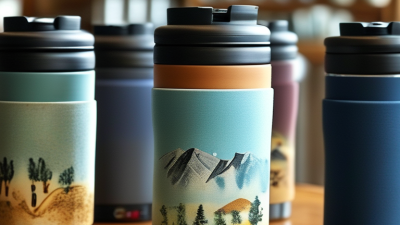
Aluminum bottles are lightweight and often come with colorful designs.
However, they might not retain temperatures as well as stainless steel.
Consider functionality when selecting your bottle.
A wide mouth is great for adding ice and easy cleaning. Look for leak-proof caps to avoid spills.
Whether you're hiking or commuting, a functional design matters greatly.
Tips: Check for BPA-free materials to ensure safety.
Always consider size and portability based on your daily activities.
Sometimes, a bulkier design might seem appealing but can be cumbersome to carry.
Evaluate your needs—do you prioritize style, insulation, or weight?
Reflect on how each type fits into your lifestyle.
Assessing Material Quality: Stainless Steel vs. Aluminum Options
When choosing a metal bottle, the material's quality is crucial. Stainless steel and aluminum are the two primary options. Each has advantages and disadvantages worth considering.
Stainless steel is durable and resistant to corrosion. It can withstand high temperatures without warping. It's also less reactive, ensuring that your drink tastes fresh over time. On the downside, these bottles can be heavier and more expensive. We should think about how often we will carry it around.
Aluminum, on the other hand, is lightweight and often more affordable. It's perfect for on-the-go lifestyles. However, aluminum bottles may not retain the same heat or cold retention as stainless steel. They can also react with acidic drinks, which may affect flavor. Understanding these nuances helps in making an informed decision about the right metal bottle for your needs.
Evaluating Size and Capacity Based on Your Lifestyle Needs
Choosing the right metal bottle involves evaluating size and capacity based on your lifestyle. For those constantly on the move, a compact design often works best. Studies show that around 70% of consumers prefer bottles between 16 to 24 ounces for daily use. This size is portable yet sufficiently holds hydration needs during workouts or commutes.
On the other hand, outdoor enthusiasts might consider larger options. Bottles that hold 32 ounces or more provide ample water for long hikes or road trips. According to recent surveys, 65% of outdoor adventurers carry larger containers to stay hydrated over extended activities. However, larger bottles can feel cumbersome. Many users report difficulty fitting them into standard cup holders.
Additionally, think about how you plan to use the bottle. If you're going to use it mainly for sports, a lightweight bottle with a 20-ounce capacity might be ideal. If your routine involves long hours outdoors, a 40-ounce option might be necessary. Balancing weight and capacity is crucial. Choosing a bottle that’s too large can lead to inconvenience, while a small one might not meet hydration goals. Evaluating your needs against these factors can guide you towards the right choice.
Considering Insulation Features for Temperature Retention
Choosing the right metal bottle involves understanding insulation features. Insulation is crucial for maintaining temperatures, whether hot or cold. Double-walled vacuum insulation is effective. It keeps beverages cold for hours and hot drinks warm for a long time. This feature is ideal for those who enjoy outdoor activities, like hiking or camping.
Tips: When shopping, look for bottles with a specific temperature retention claim. Some may hold ice for up to 24 hours. Check user reviews for real-world performance.
Consider the thickness of the walls, too. Thicker materials often provide better insulation. However, heavy bottles might be cumbersome. Find a balance between weight and insulation.
Tips: Test bottles in various conditions. Pour hot water and see how long it retains heat. Check its performance during hot weather. Personal experiences can guide your choice effectively.
Examining Design Elements: Lid Styles and Portability Factors
When selecting a metal bottle, lid styles play a crucial role.
Different designs affect usability and convenience. For instance, screw-on lids provide a tight seal, reducing spills. However, they can be challenging to open quickly, especially when on the go.
Flip-top lids offer easy access but might not secure liquids as effectively. Depending on your lifestyle, assess which lid complements your needs best.
Portability is another essential factor. Weight and size influence how easily you can carry the bottle. Some metal bottles are bulky, making them less convenient for hiking or travel.
A lightweight design is often preferable for active use. Furthermore, consider the bottle’s shape. A contoured design may fit your hand better, enhancing grip, while tall bottles might not fit in standard cup holders.
Reflect on how you will use the bottle. Some users may find larger capacities attractive, while others may prioritize compact designs. Each choice has trade-offs. This requires you to think critically about daily habits.
Ultimately, the right metal bottle should align with your practical needs and personal preferences.

 +86-13586927333
 CONTACT NUMBER
 CONTACT NUMBER