+86-13586927333


A hot coffee can reveal a cup’s weaknesses within minutes. The outer surface becomes uncomfortable, condensation marks the table, and the drink cools too quickly. Double Wall Cups address these problems by using two paperboard layers with an air space between them. This structure improves thermal insulation and reduces the need for an additional sleeve. For cafés, caterers, and takeaway operators, it can also create a cleaner presentation. The cup feels more substantial in the hand.
Market data supports the continued importance of practical foodservice packaging. Grand View Research estimated the global paper cups market at approximately USD 13.4 billion in 2022, with steady growth expected through 2030. Its findings reflect broader paper-cup demand, not Double Wall Cups alone. Smithers’ report, The Future of Cups and Lids to 2028, also identifies convenience, delivery, and packaging performance as major industry influences. These trends help explain why insulated cup formats remain commercially relevant.
Performance is not the whole story. I would not call every double-wall cup automatically sustainable. Material choices, coatings, recycling access, and production energy all affect its environmental profile. A cup with a paper exterior may still contain a plastic lining. That detail matters. Responsible buyers should check food-contact compliance, supplier documentation, and verified disposal guidance. In practice, the best choice balances heat protection, structural strength, customer comfort, and realistic end-of-life options. No cup is perfect. However, a well-designed Double Wall Cup can provide measurable functional value when its claims are supported by testing and transparent technical evidence.
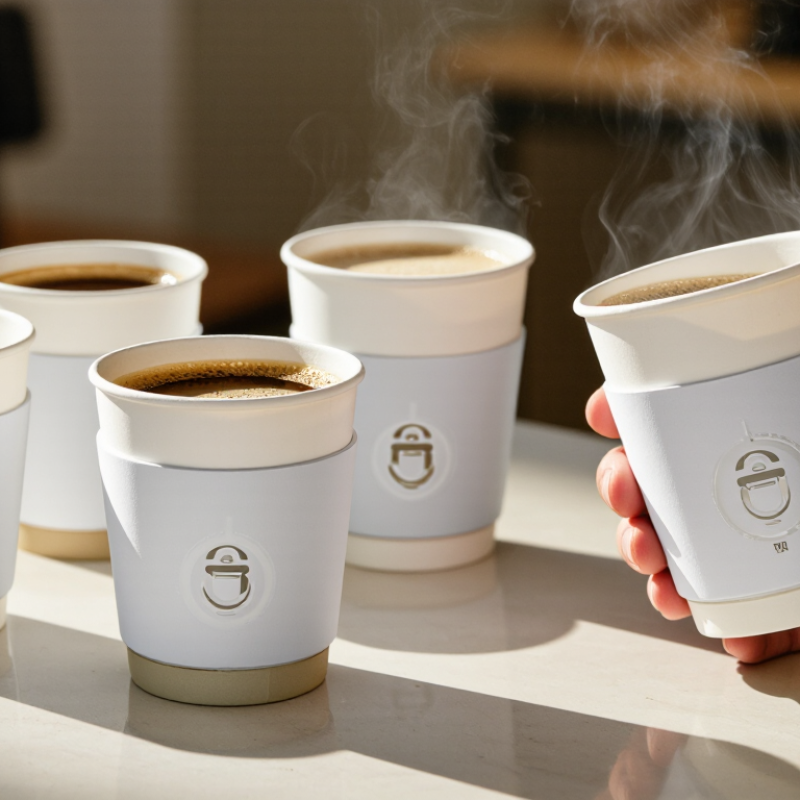
Double wall cups are drinking vessels built with two separate layers instead of one. The inner wall holds the beverage, while the outer wall remains farther from the drink’s temperature. A narrow air space between these walls slows heat transfer. Some designs use a vacuum, but ordinary double wall cups do not always have one.
In practical use, this structure helps hot coffee stay warm and makes the outside more comfortable to hold. It can also reduce condensation when serving iced water on a wooden table.
However, it does not stop temperature change completely. A drink will still cool or warm over time. That expectation is too simple.
From handling different cup shapes, I have found that wall spacing, rim design, and material thickness affect comfort noticeably. Glass versions can look elegant, but they may feel fragile. Stainless steel versions often resist daily knocks, though they can hide the drink’s temperature. Plastic versions are lighter, but their quality varies widely.
The cup should be made from a suitable food-contact material, with smooth seams and a stable base. Check the lid carefully, too. A poor seal can waste the insulation benefit.
Double wall cups are useful for homes, offices, cafés, and outdoor use. They are not automatically better in every situation. Cleaning access, grip, weight, and durability matter just as much.
I once focused too heavily on insulation and overlooked the narrow opening. It was difficult to clean. That small flaw changed my opinion.
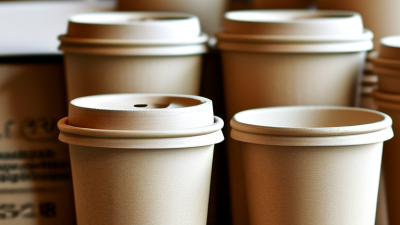
Double wall cups are built with two separate layers instead of one. The inner wall holds the drink, while the outer wall stays comfortable to touch. A narrow air space sits between them. Air is a poor conductor, so it slows heat transfer from hot or cold beverages.
During production, manufacturers form two cup shells and join them around the rim. Some designs use plastic, paper-based materials, or stainless steel. The joining method must create a stable seal without trapping visible gaps. Even a small weakness can allow moisture into the space or reduce insulation. Quality checks often include leak testing, rim inspection, and temperature performance testing. The air gap helps, but it does not make the cup heatproof. I have seen users assume this, and that assumption can cause burns. Construction quality still matters.
Tips: Check the rim for uneven joins, dents, or loose layers. Hold a filled cup briefly before carrying it. If the outer surface becomes hot quickly, insulation may be limited. Choose a lid that fits firmly, because a well-built cup cannot prevent spills caused by a poor seal. Also, inspect the material guidance before using very hot drinks or placing the cup in a dishwasher. Small details matter.
| Data Dimension | Typical Construction or Specification | Practical Function | Why It Matters |
|---|---|---|---|
| Basic Structure | Two separate cup walls are formed into one body, creating an enclosed air space between the inner and outer layers. | Slows direct heat transfer between the beverage and the user’s hand. | The air gap provides insulation without requiring a separate sleeve. |
| Inner Wall | The inner layer holds the beverage and is commonly made from food-contact paperboard or a reusable polymer, depending on the cup type. | Provides the liquid-contact surface and supports the cup’s shape. | The material must be suitable for food contact and compatible with hot or cold drinks. |
| Outer Wall | A second layer surrounds the inner cup and is usually shaped to provide additional rigidity and a comfortable gripping surface. | Protects the hand from much of the beverage’s heat or cold. | It also improves handling and can provide a smooth surface for printing or labeling. |
| Insulating Layer | The space between the walls generally contains still air rather than a liquid or active cooling element. | Reduces conduction and limits the speed of heat exchange. | Still air is a relatively poor conductor of heat, which helps improve thermal comfort. |
| Typical Air Gap | The gap is commonly a few millimeters wide, although the exact distance varies with the cup design, material, and manufacturing process. | Creates separation between the inner and outer surfaces. | A controlled gap supports insulation while keeping the cup compact and stable. |
| Manufacturing Method | Depending on the design, manufacturers may form two shells separately and join them, or mold a reusable cup with an integrated double-wall cavity. | Creates a continuous cup body with a defined insulating space. | The joining or molding process affects strength, leak resistance, appearance, and cost. |
| Base Construction | The inner and outer walls are joined around the lower area while maintaining separation through most of the sidewall. | Supports the cup and helps keep the inner chamber stable. | A well-formed base helps reduce rocking, leakage, and deformation during use. |
| Rim and Drinking Edge | The upper edge is rolled, folded, or molded to connect the walls and create a smooth drinking rim. | Improves comfort and helps maintain the cup’s opening shape. | The rim is also important for lid fit and for reducing spills when a compatible lid is used. |
| Hot Beverage Performance | The two-wall design generally keeps the outside surface more comfortable to hold than a comparable single-wall cup. | Reduces the amount of heat reaching the hand. | It can improve user comfort, but it does not make the cup completely heatproof. |
| Cold Beverage Performance | The outer wall is separated from the chilled drink by the inner wall and air space. | Helps limit the transfer of cold to the outside surface. | Condensation may still form when the outer surface is below the surrounding air’s dew point. |
| Rigidity | The second wall increases the cup’s overall thickness and structural support compared with a single-wall design. | Helps the cup resist squeezing and minor deformation. | Greater rigidity can make carrying and drinking more secure. |
| Main Advantages | Two-wall insulation, improved grip comfort, enhanced stiffness, and a reduced need for an additional sleeve. | Offers a balanced solution for hot and cold beverages. | The best choice depends on the intended beverage temperature, use period, material, lid, and disposal or reuse requirements. |
Note: Specifications vary by cup material, capacity, wall geometry, and manufacturing process. Double-wall construction improves insulation but does not eliminate heat transfer or condensation completely.
Double wall cups use two separate layers with a small air space between them. That gap matters. According to NIST thermal-property data, still air conducts heat at roughly 0.026 W/m·K near room temperature. Air therefore slows heat movement better than many solid materials. The inner wall holds the beverage, while the outer wall stays more comfortable to touch. In practical use, this means less heat reaches your fingers during a ten-minute commute. It can also reduce rapid cooling, especially when the lid fits tightly and the cup is not exposed to strong wind.
Testing should be more precise than simply touching the cup. ISO 8302 describes guarded hot-plate methods for measuring thermal resistance in insulating materials. Cup manufacturers can adapt similar laboratory principles to compare wall structures, materials, and air gaps.
A wider gap may improve insulation, but it can also make the cup bulky or less stable. Small design choices matter. The rim, lid, and base often become thermal bridges. Condensation may still appear when cold drinks meet humid air. Double walls do not eliminate it.
A 2023 Smithers packaging industry report identifies paper-based packaging as a major growth area, partly because buyers increasingly assess performance and material use together. That creates a difficult balance. More layers can improve comfort, yet they may complicate recycling. In my experience, the best cup is not always the thickest one. It should match the drink temperature, holding time, and disposal system.
Double wall cups use two layers to reduce heat transfer and improve handling. The material between those layers matters as much as the cup’s shape.
Paperboard is common in disposable double wall cups. It provides stiffness and a familiar paper feel. Many paper cups include a thin polyethylene coating to resist leaks. Some use water-based coatings instead, although performance can vary with very hot drinks and longer holding times. Recycled paperboard may reduce virgin fiber use, but its quality depends on the supplier and intended food-contact standard. The “eco-friendly” label alone proves little.
Reusable double wall cups often use polypropylene, stainless steel, or plastic such as PET. Polypropylene is lightweight and tolerates repeated use well. Stainless steel offers strong insulation and a durable inner surface, but it usually costs more and weighs more. PET can provide clarity, which helps users see the drink, though clear plastic may show scratches over time. I once assumed every double wall cup stayed cool outside; condensation and lid design proved otherwise. Material selection should consider temperature, cleaning, impact resistance, and local recycling access. No option is perfect. A cup that performs well in a café may be unsuitable for a dishwasher or a regional recycling system.
Double wall cups use two separate layers to create an insulating air space. The material selected for each layer affects heat transfer, durability, weight, recyclability, and the cup’s suitability for hot or cold beverages.
The chart compares representative thermal conductivity values for materials commonly used in reusable or disposable double wall cup structures. Lower values generally indicate better resistance to heat transfer. Actual performance varies with material grade, thickness, moisture, temperature, and the air gap between the walls.
Reference basis: representative room-temperature values reported in engineering material-property databases and standard technical references. Thermal conductivity is measured in W/m·K.
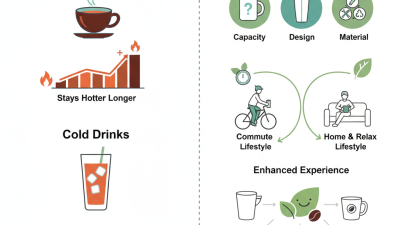
Double wall cups contain two layers of material with a small insulating space between them. This structure slows heat transfer during ordinary use. A cold drink can stay refreshing longer on a desk or car console. No wet rings. The outer surface also feels more comfortable in your hand. For hot beverages, the same design helps reduce surface heat. It does not make the cup completely cool, though. Very hot liquid can still warm the outside after several minutes.
From my experience, double wall cups are useful during commutes, meetings, and slow breakfasts. The firm outer wall gives a steadier grip when walking. It also protects tables from condensation and minor temperature changes. However, insulation differs between glass, stainless steel, and plastic construction. Lid quality matters too. A poorly fitted lid can spill, even when the cup itself performs well. I have also found some insulated cups harder to clean around narrow openings. That small annoyance is easy to overlook. Food-contact cups should be washed according to their care instructions, especially when they include seals or moving parts. Double wall cups are not perfect, but their daily comfort, cleaner surfaces, and temperature control make them practical for repeated use.