Leave Your Message

How to Find the Best Water Flask Supplier in China?

Choosing the right Water Flask supplier in China requires more than comparing prices on a marketplace. Product quality begins with the factory, not the sales brochure. A reliable supplier should explain its stainless-steel grade, insulation structure, coating process, and food-contact documentation. It should also provide clear production limits, realistic lead times, and traceable material records.

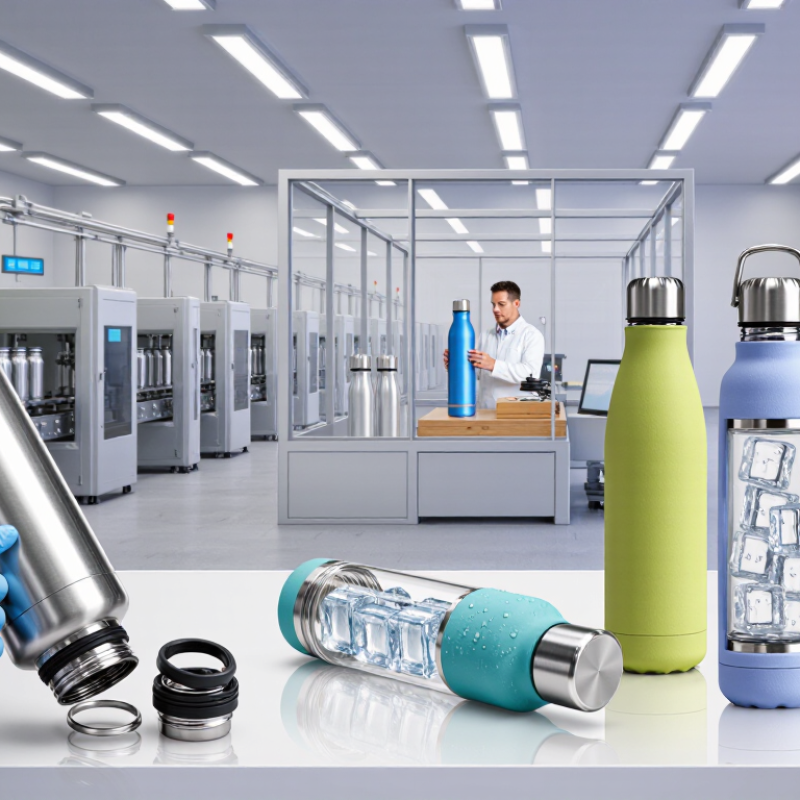
Details matter. Ask for samples before discussing large orders. Test the lid threads, silicone seal, powder coating, and vacuum performance. Fill each flask, turn it upside down, and check for leakage after several hours. A professional supplier should welcome these tests. Factory photographs help, but an independent audit or video inspection offers stronger evidence. A polished website can still mislead.

Yvon Chouinard, a respected outdoor-industry leader, is often credited with saying, “The most environmentally friendly product is the one you already own.” That idea also challenges suppliers to build durable products, not disposable ones. Look for factories that reduce packaging, control production waste, and support replacement parts. Their answers should be specific.

Not every low quotation is a bargain. Some suppliers use thinner steel, weaker coatings, or untested seals to reduce cost. I have learned that unclear answers usually create expensive problems later. Still, no supplier is perfect. Small factories may offer better flexibility but lack advanced testing equipment. Large factories may provide stronger systems but require higher minimum orders. The best choice depends on your market, target volume, design complexity, and quality expectations. A careful comparison turns a simple sourcing task into a dependable long-term partnership.
How to Find the Best Water Flask Supplier in China?

Define Your Water Flask Requirements and Target Market

Before contacting a water flask supplier in China, define what you actually need. A vague request often produces vague samples, delayed quotes, and costly revisions. Decide the capacity, material, insulation time, lid design, color, finish, and packaging. For example, a 500 ml stainless-steel flask with a leak-resistant screw lid suits office commuters. A wider 750 ml model may fit hikers, but it needs a stronger handle. Write these details in a simple product sheet. Include acceptable weight and dimensions. Do not rely on photographs alone.

Your target market should guide every specification. Customers in hot regions may value long cooling performance and easy cleaning. School users may need lighter bodies and simpler lids. Premium buyers often inspect coating quality, weld lines, and packaging before reading the product description. I have found that buyers frequently overestimate demand for large capacities. Small local tests can expose that mistake. Compare competitor prices, sales channels, and customer complaints. Then set a realistic target price, order quantity, and launch season. These figures help suppliers recommend suitable production methods, rather than generic options.

Ask potential suppliers for material declarations, test reports, sample photos, and production timelines. Request a sample made to your written specifications, not a similar stock item. Check the lid after repeated opening, the seal after shaking, and the flask after washing. Keep records of every change. My early specifications were too broad, and the first sample looked attractive but felt unbalanced. That was a useful warning. A supplier who explains limitations clearly may be more reliable than one promising everything. Confirm inspection steps, packaging protection, and communication responsibilities before placing a larger order.
Compare China’s Main Water Flask Manufacturing Regions

China’s flask supply chain is regional, not uniform. Zhejiang, especially Yongkang and Jinhua, is widely associated with vacuum-insulated stainless-steel products. Its clusters support deep drawing, welding, polishing, coating, and lid assembly. These short supply routes can reduce development time. UN Comtrade’s 2023 HS 9617 data identifies China as one of the world’s leading exporters of vacuum vessels and related products. However, export volume does not prove consistent quality.

Guangdong offers a different advantage. Manufacturing centers around Shenzhen, Dongguan, and Foshan connect metal processing with plastics, packaging, electronics, and fast export logistics. This suits smart lids, molded components, and complicated gift sets. Jiangsu is stronger in industrial metalworking, precision machining, and transport access through major ports. The World Stainless Association reported that China produced about 63% of global crude stainless steel in 2023. Material availability is therefore a major sourcing advantage, but regional data can hide factory-level differences.

Do not choose by province alone. Request welding records, vacuum-retention test results, coating specifications, and food-contact documents. Ask whether the supplier makes lids and inner liners in-house. Some factories outsource these parts, weakening traceability. A low quotation can also conceal thinner steel or slower inspection. Compare three suppliers from different clusters, then audit one production batch. No region wins every order. Product complexity, minimum quantity, inspection discipline, and shipping distance may matter more than a polished company profile.

Evaluate Supplier Credentials, Product Quality, and Compliance

A reliable water flask supplier in China should pass three checks: credentials, product quality, and compliance.

The ISO Survey 2023 recorded more than 1.26 million valid ISO 9001 certificates worldwide. However, a certificate alone proves little.

Verify its scope, issuing body, expiry date, and factory address. Ask whether the certificate covers flask production, not only trading activities.

Inspect the production site, sampling room, and batch records. Request samples from regular production, not specially prepared units. Check lid torque, gasket fit, weld smoothness, vacuum performance, and leak resistance. Test repeated opening and closing. Small defects often appear after use.

An independent laboratory should assess food-contact migration, heavy metals, odor, and thermal performance.

Requirements may involve FDA 21 CFR provisions, EU Regulation 1935/2004, or destination-specific rules. Plastic components may also require review under EU Regulation 10/2011. Match every test report to the exact material and model.

The OECD Due Diligence Guidance recommends traceable supplier information and risk-based verification.

Apply that principle to steel coils, silicone seals, coatings, and packaging. I have seen polished audit files conceal weak incoming inspection. Do not rely on documents alone.

Compare test dates, batch numbers, and production photos. A supplier that welcomes corrective audits is usually more dependable.

Still, no audit is permanent. Recheck quality after design changes, new materials, or unusual order pressure.

Request Samples, Verify Customization, and Test Production Capability

Finding a reliable water flask supplier in China requires more than comparing online prices. Request physical samples before discussing large orders. Ask for several sizes, lid styles, coatings, and insulation options. Hold each flask in your hand. Check the thread, gasket, welds, and surface finish. Fill it with hot and cold water. Leave it overnight, then inspect leakage, odor, and temperature retention. A sample can reveal problems that polished photographs hide. Small details matter.

Customization should be verified in writing. Send a clear drawing with dimensions, logo position, color references, packaging requirements, and acceptable tolerances. Ask whether the supplier owns the tooling or uses an outside workshop. Confirm the sample reflects the final materials, not a cheaper substitute. Review food-contact documentation and test reports relevant to your market. Do not accept vague promises. They create expensive misunderstandings. One practical lesson: approving a logo sample does not approve the entire product. I once saw a color look accurate under factory lights but noticeably different in daylight.

Production capability needs evidence, not confident language. Request a factory video call, current production photos, and a sample inspection report. Ask about monthly capacity, quality checkpoints, leak testing, and how rejected units are handled. A small trial order can expose scheduling gaps and inconsistent assembly. Track carton counts, delivery dates, and defect rates. Leave room for correction. Even experienced buyers can overlook packaging damage or loose lids during busy seasons. A dependable supplier answers specific questions, documents changes, and accepts reasonable inspection before shipment.

How to Find the Best Water Flask Supplier in China

Request samples, verify customization, and test production capability before placing a bulk order.

This buyer-defined scorecard allocates 100 evaluation points across the most important supplier checks: sample quality, customization accuracy, production capability, quality documentation, and communication. A supplier should demonstrate performance in every category rather than rely on a low price alone.

Review Pricing, Contracts, Logistics, and Supplier Communication

Finding a reliable water flask supplier in China requires more than comparing catalog prices. In practical sourcing work, I request a detailed quotation before discussing volume. It should separate the flask, lid, logo setup, packaging, sampling, and inspection fees. A low unit price can hide costly mold charges or weak packaging. Ask for evidence. Compare the same material grade, capacity, finish, and order quantity. I also check whether prices remain valid for 30, 60, or 90 days. This small detail prevents awkward renegotiation after approval.

The contract should describe measurable requirements, not vague promises. Specify stainless steel grade, wall thickness, leakage tolerance, color standard, carton strength, and inspection timing. Include approved samples and clear procedures for defective goods. Payment milestones need careful wording. For example, a deposit can support production, while the balance follows inspection and shipping documents. Confirm ownership of custom artwork and tooling in writing. I have seen buyers trust chat messages too much. That approach feels convenient, but it leaves important disputes unprotected.

Logistics planning starts before production ends. Confirm the shipping port, delivery term, carton dimensions, pallet rules, and document responsibilities. Ask for a packing list with actual weights, not estimates copied from an old order. Delays often begin with missing labels or incorrect measurements. Supplier communication should be tested during sampling. Do replies answer questions directly? Are changes recorded in one shared document? A weekly update with photos, quantities, and open issues creates useful accountability. Still, no process is perfect. Time-zone gaps and unclear technical language can cause mistakes, so written confirmation after every call remains worth the extra minute.

How to Find the Best Water Flask Supplier in China? — Pricing, Contracts, Logistics, and Supplier Communication Review
Evaluation Area Key Metric Reference Benchmark or Requirement Why It Matters Recommended Verification Method Risk Level if Not Met
Pricing Stainless-steel flask unit price Request tiered quotations for 500, 1,000, 3,000, and 10,000 units. Compare the full specification rather than price alone. Unit prices commonly change with order quantity, steel grade, wall construction, decoration, packaging, and testing requirements. Use the same technical specification and artwork brief for every quotation. Medium
Pricing Tooling and sample charges Confirm whether mold, laser engraving, screen printing, color matching, and pre-production samples are charged separately. Unlisted setup charges can materially increase the landed cost of a small or first order. Require a written quotation showing one-time and recurring charges separately. Medium
Pricing Payment terms Common commercial structures include a deposit before production and the balance before shipment; negotiate milestone payments for larger orders. Payment timing affects cash flow and the buyer’s leverage when production or inspection problems occur. Match payment milestones to approved samples, inspection results, and shipping documents. High
Product Quality Material specification State the required food-contact material, grade, thickness, capacity tolerance, lid material, gasket material, and insulation construction. “Stainless steel” alone does not define the complete product specification or performance level. Review material declarations, technical drawings, and independent laboratory or factory test reports. High
Product Quality Leak, vacuum, and thermal testing Define acceptance criteria before production, including leak testing, lid fit, surface finish, and hot/cold retention requirements. Clear acceptance criteria reduce disputes over subjective defects and product performance. Approve a golden sample and use a written inspection checklist with measurable tolerances. High
Contracts Product specification attachment Attach drawings, approved samples, packaging requirements, artwork files, tolerances, and defect classifications to the purchase contract. A detailed attachment turns informal discussions into enforceable production requirements. Ensure the purchase order and contract reference the same revision number and approval date. Low
Contracts Quality acceptance and remedy clause Specify inspection timing, sampling method, acceptable quality limits, replacement obligations, credit terms, and refund procedures. Remedies should be agreed before a dispute occurs, especially for customized goods. Have the contract reviewed by a qualified trade or legal professional before signing. High
Contracts Intellectual-property protection Define ownership and permitted use of artwork, molds, product drawings, packaging designs, and tooling. Written ownership terms help prevent unauthorized reuse or disclosure of custom designs. Record tooling ownership, storage location, access rights, and return or destruction requirements. High
Logistics Trade term and shipping responsibility Compare quotations under the same Incoterm, such as EXW, FOB, or delivered terms, and identify the party responsible for each cost. Different Incoterms can make apparently similar prices difficult to compare. Request a cost breakdown covering inland transport, export clearance, freight, insurance, and destination charges. Medium
Logistics Production lead time Separate sample lead time, bulk production time, inspection time, and dispatch time in the order schedule. A single lead-time figure may exclude approval, rework, inspection, or booking delays. Use milestone dates and require written notice of any expected delay. High
Logistics Packaging and carton data Confirm inner-pack quantity, master-carton quantity, carton dimensions, gross weight, pallet requirements, and shipping marks. Accurate carton data is necessary for freight estimates, warehouse planning, and customs documentation. Approve a packaging specification and verify carton measurements before shipment. Medium
Supplier Communication Quotation completeness Prefer quotations that state specifications, price breaks, validity period, tooling, packaging, payment, lead time, and Incoterm. Complete quotations make suppliers easier to compare and reduce hidden-cost risk. Use a standard request-for-quotation template for all shortlisted suppliers. Low
Supplier Communication Response quality Evaluate whether the supplier answers every question directly, identifies assumptions, and confirms technical details in writing. Clear pre-order communication is a practical indicator of project-management discipline. Score responses for completeness, accuracy, response time, and consistency across sales and technical staff. Medium
Supplier Communication Change-control process Require written approval for changes to material, components, artwork, packaging, production location, or shipping schedule. Unapproved substitutions can affect safety, quality, compliance, and brand presentation. Maintain a revision-controlled specification and approve changes through email or signed documents. High
Supplier Due Diligence Factory capability and capacity Verify relevant production equipment, quality-control personnel, export experience, and the ability to meet the required order volume. A capable supplier should be able to explain its process, constraints, and subcontracting arrangements. Conduct a factory audit or independent verification and request recent, relevant production evidence. High
Supplier Due Diligence Compliance documentation Identify the destination-market requirements for food contact, packaging, labeling, chemicals, and product safety before ordering. Compliance obligations depend on the importing market and the final product configuration. Use accredited laboratories or qualified compliance professionals to confirm applicable tests and documents. High
Final Decision Weighted supplier score Use a 100-point model: quality and compliance 30%, total landed cost 25%, contract protection 15%, logistics 15%, communication 10%, due diligence 5%. Weighting prevents the lowest quotation from automatically becoming the preferred supplier. Score at least three suppliers using identical evidence requirements and retain the supporting documents. Low
Reference note: Pricing, lead time, payment terms, compliance requirements, and freight costs vary by specification, destination market, order quantity, season, and trade term. Verify all commercial figures and documents through a current written quotation, contract, inspection plan, and shipping confirmation before placing an order.