Top 10 Stainless Steel Water Bottle Suppliers Worldwide
The global demand for reusable drinkware is moving from convenience toward durability, safety, and measurable environmental value. Mordor Intelligence’s Reusable Water Bottles Market report forecasts continued market expansion through 2029, supported by outdoor recreation, workplace hydration, and plastic-reduction initiatives. Grand View Research also identifies stainless steel products as a significant category within the broader reusable bottle industry.
This article examines the Top 10 Stainless Steel Water Bottle Suppliers Worldwide through practical purchasing criteria. These include material grade, production capacity, leak resistance, insulation performance, customization, certifications, and export experience. The distinction between 304 and 316 stainless steel matters, especially for buyers concerned about corrosion, salt exposure, or acidic beverages. Manufacturing details matter too. A polished interior, clean welds, and a secure silicone seal can determine whether a bottle survives daily use.
Small details matter.
Supplier evaluation should also consider documented quality systems, batch testing, packaging controls, and transparent communication. ISO 9001 certification can indicate structured quality management, although certification alone does not guarantee product consistency. That point is easy to miss. A supplier may present impressive samples but struggle with large orders, changing specifications, or delivery pressure.
The companies selected here are not ranked as universally perfect. No supplier is. Instead, this overview offers a balanced starting point for importers, retailers, corporate buyers, and private-label brands. Pricing, compliance requirements, and customer service can vary by market. Independent verification remains essential before signing a contract or approving mass production.
Global Stainless Steel Water Bottle Supplier Landscape
Top 10 Stainless Steel Water Bottle Suppliers Worldwide
Global Stainless Steel Water Bottle Supplier Landscape
The global supplier landscape is broad, but quality varies. Leading manufacturers operate across East Asia, South Asia, Europe, and North America. Their strengths differ in production scale, design support, and export experience. Some focus on vacuum insulation, while others specialize in lightweight sports bottles or corporate orders.
In supplier audits, buyers should check material certificates, leak tests, and inner-wall polishing records. Food-contact compliance must match the destination market. A reliable supplier can explain steel grades, coating durability, lid testing, and factory quality controls clearly. Ask for samples from regular production, not only showroom pieces. Details matter.
The top ten should not be judged by price alone. Compare minimum order quantities, mold fees, packaging options, and delivery records. A supplier offering laser engraving may still lack stable color control. Another may provide excellent bottles but weak after-sales communication. That is easy to miss. Factory visits, video inspections, and independent testing improve confidence, especially for large orders. Yet no ranking stays perfect. Costs, regulations, and capacity change during the year. A careful buyer should review the list regularly and keep documented inspection standards.
Key Criteria for Evaluating Bottle Suppliers
When evaluating stainless steel water bottle suppliers, start with material evidence, not attractive catalog photos. Ask for the steel grade, thickness, inner coating details, and food-contact test reports. Reliable suppliers should explain their testing methods clearly. They should also provide batch records and sample inspection results.
Manufacturing experience matters, but years alone prove little. Request production samples before discussing large orders. Check the cap threads, silicone seal, weld lines, and powder coating under bright light. Fill each bottle, close it, and leave it upside down overnight. Small leaks often reveal weak quality control. For insulated bottles, measure temperature retention at fixed intervals, such as two, eight, and twelve hours. Results should be recorded, not simply promised.
Supplier performance also depends on communication and traceability. Confirm minimum order quantities, lead times, packaging details, replacement procedures, and factory audit access. A capable supplier can describe its corrective-action process when defects appear. That matters more than a perfect presentation. I have found that fast replies can still hide vague answers. This deserves caution. Compare at least three samples from different production batches, because one excellent sample may be carefully selected. A supplier’s certificates should be current, verifiable, and linked to the actual factory. Clear documentation, consistent samples, and honest limitations provide stronger evidence than marketing language.
Leading Suppliers and Their Product Capabilities
Top 10 Stainless Steel Water Bottle Suppliers Worldwide
Leading suppliers are judged by more than catalog size. According to Grand View Research, the global reusable water bottle market was valued at approximately USD 8 billion in 2023. This growth increases pressure on suppliers to prove material quality, production consistency, and delivery capacity. The strongest manufacturers commonly offer food-grade 304 stainless steel, with 316 steel available for harsher environments. Their factories should provide heat-retention testing, leak testing, laser-weld inspection, and batch traceability.
Capacity matters. A capable supplier may operate automated deep-drawing lines, vacuum-insulation equipment, and several finishing stations. Some can produce thousands of units daily, while others focus on smaller custom orders. Custom capabilities often include powder coating, laser engraving, silicone components, and recycled-steel options. However, recycled content claims need documentation. Vague sustainability language is not enough.
The International Stainless Steel Forum reported global stainless-steel crude production of more than 58 million tonnes in 2023. That scale supports stable material access, but it does not guarantee reliable bottle manufacturing. Buyers should review factory audits, sampling records, laboratory reports, and packaging tests. Suppliers serving export markets should also understand food-contact requirements and transport conditions. A bottle can look excellent and still fail after repeated dishwasher cycles. This is where many supplier comparisons become too optimistic. Performance data should come from tested samples, not polished product images.
Top 10 Stainless Steel Water Bottle Suppliers Worldwide - Leading Suppliers and Their Product Capabilities
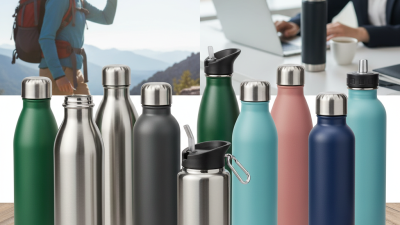
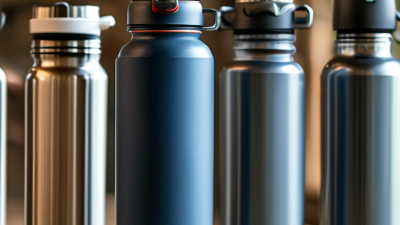
Common stainless steel bottle formats and nominal capacities used across global supplier catalogs. The comparison focuses on product capability rather than company or brand performance.
The 350–1,500 mL range covers widely available stainless steel bottle formats, from compact everyday bottles to large outdoor and sports vessels. Actual capacity options vary by supplier, insulation design, lid configuration, and target market.
Manufacturing Standards, Customization, and Certifications
When evaluating the top stainless steel water bottle suppliers worldwide, manufacturing standards deserve close attention. Reliable factories normally control stainless steel grades, welding quality, polishing, and leak testing. Food-contact materials should have traceable documentation. A batch number on the carton helps connect products with inspection records.
Quality systems matter too. ISO 9001 certification can indicate structured production control, but it does not guarantee perfect bottles. Ask for recent audit reports, test dates, and corrective-action records. Suppliers should also provide migration, odor, and heat-retention test results from recognized laboratories. Certifications must match the destination market. One document cannot cover every requirement.
Customization involves more than printing a logo. Buyers should confirm bottle capacity, wall thickness, lid materials, coating durability, packaging, and carton testing. A practical sample check includes filling the bottle, turning it upside down, and inspecting the thread after repeated opening. Small details matter. Some suppliers promise vacuum insulation but provide weak performance data. That deserves questions. Uneven powder coating, sharp thread edges, or a loose silicone seal may appear only after production begins.
Experienced sourcing teams should approve a pre-production sample and define measurable acceptance standards. They should also clarify tolerances, inspection levels, replacement terms, and shipment documentation. Factory visits can reveal whether stainless steel coils, welding stations, and finished goods are properly separated. Photos help, but they are not proof. A transparent supplier welcomes independent inspection, even when the findings are inconvenient.
How to Select the Right Stainless Steel Water Bottle Supplier
Selecting the right stainless steel water bottle supplier requires more than comparing catalog prices. Grand View Research estimated the global reusable water bottle market at USD 8.21 billion in 2023. Its analysis also identified stainless steel as a leading material segment. That growth increases supplier choice, but not necessarily supplier quality.
Begin with documented material control. Request the steel grade, mill certificate, and migration test results for every bottle model. Food-contact testing should follow recognized standards, such as FDA requirements or applicable EU regulations. Ask how suppliers control welding, polishing, and vacuum insulation. Tiny weld marks can trap residue. Poor polishing can leave a metallic taste.
A qualified supplier should provide batch records, inspection reports, and corrective-action evidence. ISO 9001 certification helps, but it does not replace product testing. During sample checks, measure the cap seal, thread fit, wall thickness, and heat retention. Test the bottle after repeated washing. One sample is not enough. That is an easy mistake.
Mordor Intelligence projects continued growth in the reusable water bottle market through 2030, although published estimates differ by research method. Treat forecasts as direction, not proof. Compare the ten shortlisted suppliers using defect rates, minimum order quantities, production lead time, packaging quality, and communication speed. A low quotation may hide expensive rework. Request a pilot order before signing a larger contract. Suppliers should also explain recycled-content claims, coating durability, and end-of-life guidance in writing.

 +86-13586927333
 CONTACT NUMBER
 CONTACT NUMBER