What Is a Water Bottle and What Are Its Types?
A Water Bottle seems simple: a container, a cap, and a way to drink. Yet its material, shape, and closure affect daily use. A narrow steel bottle may fit a backpack pocket but can be harder to scrub. A wide-mouth model is easier to clean and fill with ice. Small design choices matter.
Water-bottle product designer Mara Ellison offers this practical rule: “Choose a bottle you can clean, carry, and refill without thinking twice.” That advice is useful, though no single design suits everyone. A commuter may prefer a leak-resistant, insulated bottle. A hiker may value low weight and a secure lid. At a desk, a glass bottle can make water easy to see, but it needs careful handling.
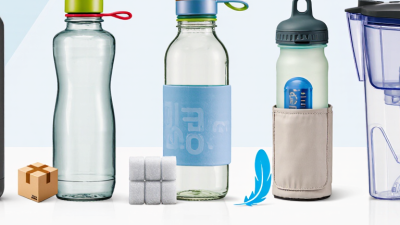
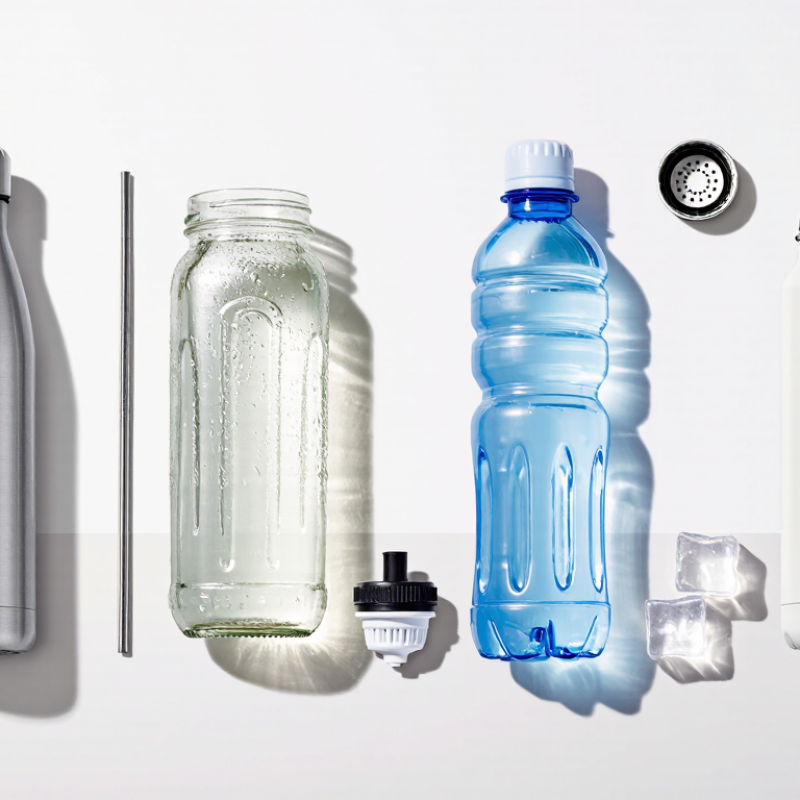
The main types include reusable bottles made from stainless steel, glass, plastic, and aluminum, along with single-use plastic bottles. Insulated models use double walls to slow heat transfer. Sports bottles often have squeeze tops or flip lids. Some everyday bottles use screw caps, straw lids, or built-in filters. Each option brings trade-offs in weight, durability, cleaning, and temperature control.
There is no perfect bottle. A lid can trap residue. A bottle can be awkward to carry. Even a durable material may not suit every routine. This guide explains what a Water Bottle is, compares common types, and highlights practical details to consider before choosing one. A bottle should serve the person using it—not just look good on a shelf.
Define a Water Bottle by Its Vessel, Closure, Capacity, and Intended Use
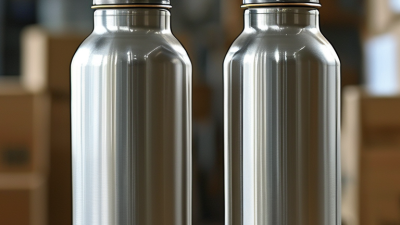
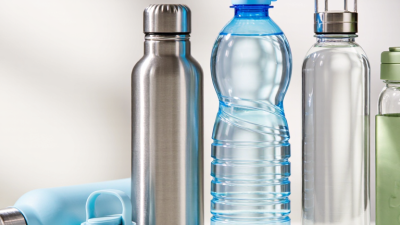
A water bottle is a portable vessel designed to hold drinking water, but its shape alone does not define it. The vessel may be rigid or flexible, narrow-necked or wide-mouthed. Stainless steel, glass, and common food-grade plastics each feel different in the hand and behave differently with heat and impact. A wide opening makes adding ice easier. It can also make drinking while walking less convenient.
The closure is another defining feature. Screw caps, flip-top lids, and built-in straws control how the bottle opens and pours. A tight seal helps prevent leaks in a bag, but no closure should be assumed leakproof without checking its design and condition. Straw lids can be convenient during exercise. They may take more effort to clean.
Capacity is usually stated in millilitres or litres, and it affects weight when the bottle is full. A smaller bottle suits a short outing; a larger one may reduce refills on a long walk. Intended use brings these details together: insulated bottles help maintain drink temperature, while lightweight sport bottles prioritize easy handling. These categories overlap. A bottle described as “for travel” may work well at a desk, too. The label is a clue, not a guarantee; comfort, cleaning, and fit in a bag matter in daily use.
Water Bottle Types and Typical Capacities
A water bottle is a portable vessel for holding beverages, usually fitted with a closure such as a screw cap, flip-top, or spout. Its capacity and design often reflect its intended use.
Capacities shown are representative examples, not fixed standards. Bottle sizes vary by design and market.
Identify Plastic Types Using ASTM D7611 Codes 1 (PET), 2 (HDPE), and 5 (PP)
A water bottle is a portable container, but its recycling code tells you more about its resin than its afterlife. ASTM D7611 identifies code 1 as PET, code 2 as HDPE, and code 5 as PP. PET bottles are often clear and lightweight, while HDPE bottles commonly feel more opaque and firm. PP appears in some bottles and many caps. These are typical uses, not guarantees: color and shape alone cannot identify a plastic reliably. Check the molded number, usually on the base.
The code is a clue, not a promise. A NAPCOR 2022 report put the U.S. PET bottle recycling rate at 29.1%, showing that identification does not ensure collection or recycling. Local programs may accept PET and HDPE bottles but exclude PP items, or require caps to be handled separately. Rinse out visible residue and follow local sorting instructions. I would not treat a resin code as a recycling instruction; it does not confirm that a facility can process the item. ASTM D7611 standardizes the identification system, while actual recycling outcomes depend on collection and processing infrastructure. That distinction is easy to miss.
Compare Reusable Bottle Materials: Stainless Steel, Glass, and Food-Contact Polymers
A water bottle is a portable container, but its material affects weight, taste, durability, and care. Stainless steel handles daily knocks and blocks light, which helps protect light-sensitive drinks. It is usually heavier than plastic. worldstainless reports that about 85% of stainless steel is recycled at end of life, though collection varies by place. Glass is non-reactive and easy to inspect for residue. It can crack, and its weight matters on a long walk. FEVE reported that roughly 80% of glass packaging in Europe was collected for recycling in 2021. That regional figure is not a global rate.
Food-contact polymers, including polypropylene and PET, are light and less likely to shatter. Their heat tolerance and care instructions differ, so check the container’s markings and avoid using damaged bottles. OECD’s Global Plastics Outlook estimates that just 9% of plastic waste worldwide was recycled in 2019. The figure covers plastics broadly, not bottles alone. Still, it shows why recyclability on paper does not guarantee recycling in practice. The comparison is imperfect: manufacturing, washing, transport, and repeated use all change a bottle’s footprint. A scratched plastic bottle may be harder to clean well; a steel bottle may be inconvenient to carry. Real use counts.
Assess Rigid-Bottle Leakage with ASTM D4991 Vacuum Testing
A water bottle is a reusable or disposable container designed to hold drinking water. Rigid bottles are commonly made from materials such as plastic, glass, or metal. Their body may look sound, yet a poorly seated cap or a small defect near the neck can still cause leakage. A few drops inside a bag can reveal a problem that is easy to miss during a quick visual check.
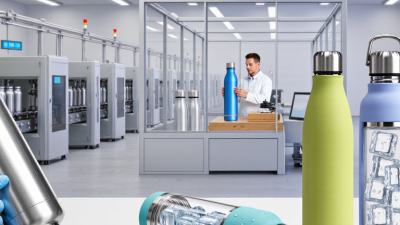
ASTM D4991 evaluates leakage in empty rigid containers using a vacuum method. In a typical setup, the bottle is placed in a water-filled chamber while pressure is reduced. Escaping air may appear as a stream of bubbles, helping an inspector locate a leak around the bottle body or closure. Test conditions and acceptance limits should match the applicable procedure and product requirements. This test is useful, but it does not reproduce every real-world condition, such as repeated opening, impact, or temperature changes.
Tips: Check that the closure is fitted consistently, and inspect the bottle before testing. Watch the neck and base closely. A single test result may not tell the whole story; repeat checks can help distinguish a true defect from setup variation.

 +86-13586927333
 CONTACT NUMBER
 CONTACT NUMBER