+86-13586927333


Why Choose a Mug Cup for Your Business?
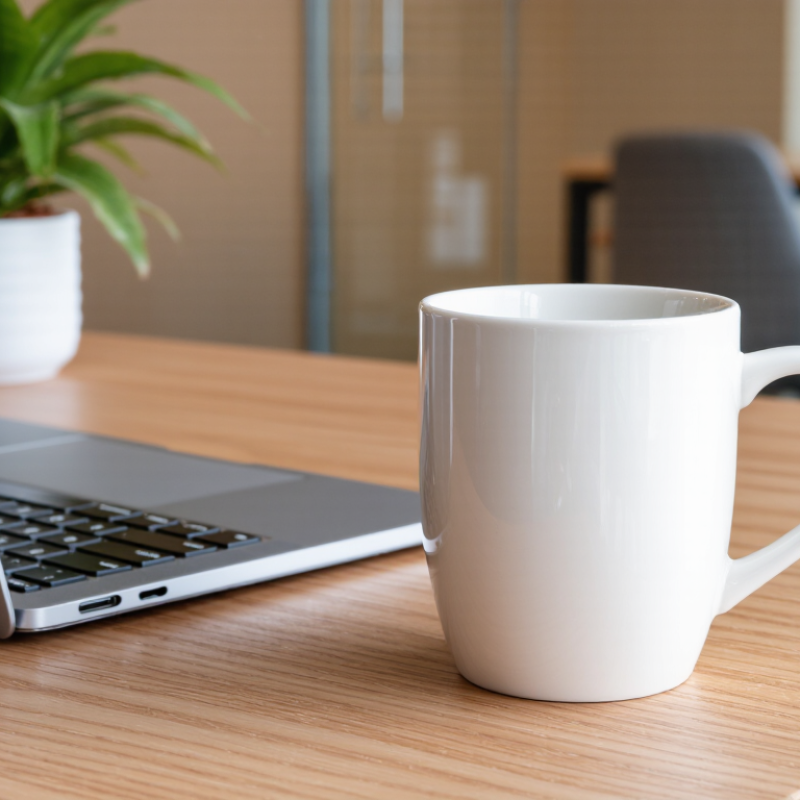
A Mug Cup can become a quiet, practical ambassador for your business. It sits beside a laptop, travels in a staff bag, or welcomes visitors in a meeting room. Each use creates another small brand impression. Unlike short-lived promotional items, a well-made mug can remain useful for years.
Ceramic product consultant Laura Chen explains, “A good mug earns attention through daily usefulness, not loud decoration.” That principle matters when selecting shape, capacity, glaze, and printing quality. A comfortable handle can improve morning routines. A durable finish can protect your logo from repeated washing. A 12-ounce Mug Cup may suit office coffee, while a larger 16-ounce design could serve tea or iced drinks better. Details matter.
The business value is not automatic. A poorly balanced mug may stay in a cupboard. A thin print may fade after several dishwasher cycles. Packaging can also affect the customer’s first impression. These risks deserve honest consideration. Some companies focus too heavily on appearance and overlook grip comfort or shipping protection. That is a mistake.
A thoughtful Mug Cup supports brand visibility without interrupting daily life. It can strengthen employee belonging, improve client gifting, and add personality to hospitality spaces. Choose materials responsibly, test samples, and inspect the final decoration. Small decisions build trust. Sometimes, they also reveal what a business truly values.
Global drinkware is no longer a minor hospitality category. Grand View Research reports that global drinkware revenue reached $25.4 billion in 2023. Its analysis also identifies rising demand for reusable, durable, and visually appealing drinkware. This scale matters for businesses. A mug can support office coffee, hotel service, café takeaway programs, and client gifting.
Fortune Business Insights also projects continued growth in the global drinkware market. Its research connects expansion with consumer preference for practical, reusable products. A well-designed mug offers a familiar grip, stable placement, and enough surface area for controlled customization. In daily use, these details matter. Employees notice a cracked handle quickly. Guests notice poor heat retention sooner.
A mug is not automatically the best choice. That assumption needs testing. Procurement teams should review material safety, dishwasher performance, breakage rates, packaging, and replacement costs. Ceramic may feel premium, but it can increase shipping weight and damage risk. Stainless steel can improve durability, though some users dislike its temperature or taste. I have seen attractive drinkware underperform because the handle felt narrow. Market growth creates opportunity, but practical testing should guide the final specification.

A promotional mug can keep your business visible during ordinary routines. According to ASI research, one promotional mug can generate about 1,400 impressions. That figure gives marketers a useful benchmark. It is not a promise of guaranteed sales. Results depend on how often people use the mug and where it travels.
Picture a branded mug beside a keyboard, in a meeting room, or near a shared coffee station. Each refill creates another quiet contact with your message. Unlike a brief online advertisement, a mug can remain useful for months. Its practical value may encourage people to keep it instead of discarding it. That small decision matters.
The strongest campaigns match the mug with a real audience. A durable ceramic design may suit office teams, while a lightweight travel mug may fit commuters. Clear printing improves recognition from across a desk. Keep the message simple. Too much text becomes difficult to read, especially during a busy morning.
There is room for honest reflection. A mug does not replace thoughtful service or a strong product. Some recipients may never use it. Others may forget where it came from. Track distribution, usage, and customer feedback before judging performance. The 1,400-impression estimate offers direction, but your own results deserve closer attention.
PPAI valued the 2023 U.S. promotional products market at $26.1 billion. This figure signals strong buyer demand for useful promotional items. A mug cup fits naturally into offices, homes, meeting rooms, and hospitality settings. Used daily, it can create repeated brand exposure without demanding extra attention. Small detail. Big visibility. Its familiar shape also makes it easy to understand and distribute.
For buyers, value is not limited to unit price. It includes durability, usefulness, shipping, storage, and expected impressions. Ceramic mugs suit office campaigns and customer gifts. Stainless steel options may work better for travel or outdoor use. Quality matters more than excessive decoration. A practical mug is more likely to stay on a desk than a novelty item.
However, a mug is not a perfect solution. Fragile materials can increase packaging costs and replacement rates. Oversized designs may raise shipping expenses. Ask for a sample before approving a large order. Check the handle, finish, print quality, and packaging strength. Practical campaign experience shows that audience habits matter greatly. Office staff may welcome a coffee mug, while active customers may prefer a sealed travel cup. Track feedback, repeat requests, and actual usage where possible. The $26.1 billion market creates opportunity, but careful product selection still determines buyer value.
Why Choose a Mug Cup for Your Business?
A mug creates a repeated daily touchpoint, not just a useful giveaway. The National Coffee Association’s 2024 report found that 67% of American adults drank coffee the previous day. That habit supports demand for office, hospitality, and promotional drinkware. Grand View Research valued the global reusable water bottle market at about $8.21 billion in 2023. This figure does not measure mugs directly, but it signals wider interest in reusable products. Product choice still depends on cost, handling, and audience expectations.
Ceramic mugs usually offer attractive unit pricing and strong print visibility. They suit offices, cafés, and indoor events, but shipping needs protective packaging. Stainless steel costs more, yet it handles drops and outdoor use better. Glass looks clean and premium, although breakage can increase replacement costs. Custom molds, colors, logos, and small orders add setup charges quickly. A practical quote should include samples, freight, packaging, decoration, and defect allowances. The Smithers report, The Future of Sustainable Packaging to 2028, stresses that material decisions should consider the full packaging system, not only the item price. I agree, but this remains an imperfect rule. A low-cost ceramic mug may create more waste if it breaks during delivery. Test one packed carton, inspect the rim, and measure the actual delivered cost before approving a large order.
| Evaluation Dimension | Standard Ceramic Mug | Stainless Steel Mug | Glass Mug | Custom Printed Mug |
|---|---|---|---|---|
| Typical wholesale cost per unit | US$2.00–US$6.00 | US$5.00–US$15.00 | US$3.00–US$10.00 | US$3.00–US$9.00, including basic one-side printing |
| Common minimum order quantity | Approximately 24–72 units | Approximately 24–100 units | Approximately 24–72 units | Approximately 50–500 units, depending on the decoration method |
| Typical production lead time | 1–4 weeks | 2–6 weeks | 2–5 weeks | 2–8 weeks, including artwork approval and decoration |
| One-time artwork or tooling cost | Usually none for blank products | Usually none for blank products | Usually none for blank products | Approximately US$0–US$150, depending on printing or mold requirements |
| Typical capacity | 300–400 ml | 300–500 ml | 250–400 ml | Usually 300–400 ml, based on the selected mug style |
| Heat retention | Moderate; improves with thicker walls | Good, especially with double-wall insulation | Low to moderate; cools relatively quickly | Depends on the base material, most commonly ceramic |
| Durability and breakage risk | Good for normal office use; can chip or break if dropped | Very high; resistant to impact and corrosion | Moderate; vulnerable to impact and thermal shock | Depends on the selected base mug and print finish |
| Dishwasher suitability | Generally suitable; confirm decoration instructions | Often suitable; insulated lids and coatings may require hand washing | Often suitable if labeled dishwasher-safe | Must be confirmed for the specific print and coating |
| Microwave suitability | Generally suitable if free from metallic decoration | Not suitable for microwave use | Usually suitable if labeled microwave-safe | Depends on the base material and printed decoration |
| Branding and visual appeal | Excellent surface for logos, colors, and large artwork | Good for engraving, laser marking, and limited-color printing | High visual appeal; transparent body highlights layered drinks | Highest branding flexibility for campaigns, events, and gifts |
| Approximate empty weight | 300–450 g | 150–350 g | 250–450 g | Usually 300–450 g for a ceramic base |
| End-of-life considerations | Reusable and inert, but ceramic is not accepted by all glass recycling systems | Highly durable and widely recyclable as metal where collection exists | Reusable, but heat-resistant glass may require separate recycling streams | Environmental profile depends on the base material, ink, packaging, and product lifespan |
| Best business use | Cafés, offices, hospitality, and everyday branded merchandise | Outdoor promotions, employee gifts, travel use, and premium merchandise | Specialty beverages, restaurants, tasting events, and design-focused settings | Product launches, conferences, customer gifts, seasonal campaigns, and corporate programs |
A mug cup can support a more sustainable business routine when reuse is realistic. A durable ceramic or stainless-steel cup may replace many disposable cups during its service life. However, reuse depends on washing habits, cleaning facilities, and customer participation. A cup left in an office cupboard creates little environmental value. Small operational details matter.
Packaging deserves equal attention. Select right-sized boxes, avoid unnecessary inserts, and use materials that local facilities can process. Clear recycling instructions help, but they cannot fix poor material choices. The European Union’s 2030 direction expects packaging to become recyclable in practice and at scale. Businesses should therefore check material composition, separability, and regional recycling access before making claims. “Recyclable” is not always meaningful everywhere.
A responsible purchasing review should measure expected uses, washing resources, breakage, transport, and end-of-life options. A reusable cup may require more energy to produce than a disposable alternative, especially if users replace it frequently. That is easy to overlook. I would also test a small batch before ordering thousands. Real usage data can reveal cracked handles, forgotten cups, or packaging that customers cannot recycle. Sustainability is not perfect here. It improves through honest measurement and repeated design adjustments.
EU 2030 packaging recycling targets by material
A durable reusable mug can help reduce repeated consumption of single-use cups when it is used many times and washed efficiently. Businesses can strengthen this benefit by choosing minimal packaging and materials that are easy to collect and recycle. The chart shows the EU 2030 recycling targets established for packaging waste by material, highlighting the importance of recyclable packaging design.
Source: European Union Directive (EU) 2018/852 amending Directive 94/62/EC on packaging and packaging waste.