Leave Your Message

Why Is a Gym Bottle Essential for Every Workout?

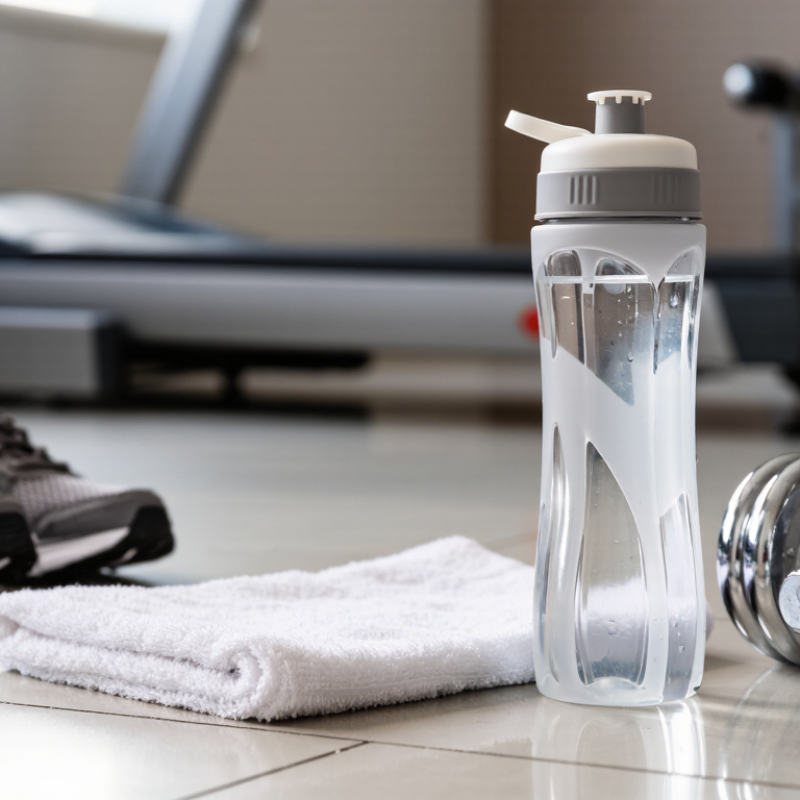
A workout can be carefully planned, yet one basic need is easy to overlook: having water within reach. A Gym Bottle keeps hydration visible beside your towel, weights, or treadmill. That small convenience can matter during a warm-up, a long set, or a crowded class when leaving the floor feels disruptive.

Exercise physiologist and hydration researcher Dr. Lawrence E. Armstrong has studied how activity, heat, and individual differences affect fluid needs. A fair paraphrase of his research is: “Hydration needs vary, so pay attention to your body and the conditions around you.” This is not a one-size-fits-all prescription. A Gym Bottle is simply a practical way to carry water and take drinks when appropriate; it does not guarantee better performance or replace personalized medical advice.

Details matter. A secure lid helps prevent spills in a gym bag. A comfortable shape is easier to grip between sets. A wide opening can make cleaning simpler, though it may not fit every cup holder. And the bottle still needs washing. Easy to forget.

This guide explores why a Gym Bottle can be useful, what features deserve attention, and how to care for one. The best choice may be less impressive than expected: a bottle you can carry, refill, and clean consistently. Still, no bottle can make someone drink enough on its own. That part takes awareness—and a little routine.
Why Is a Gym Bottle Essential for Every Workout?

What Is a Gym Bottle?

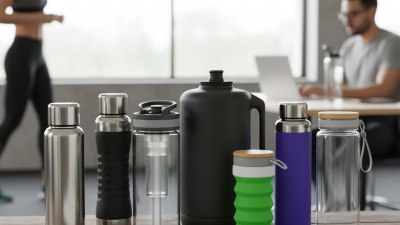
A gym bottle is a portable container for drinking water or another suitable workout fluid. It usually has a secure lid and a spout or opening that is easy to use between sets. Some bottles have measurement marks, which help track how much you drink. It is a simple tool, not a hydration plan by itself. A bottle can be forgotten, and drinking too much too quickly can also be unhelpful.

The American College of Sports Medicine’s 2007 position stand, “Exercise and Fluid Replacement,” advises drinking about 5–7 milliliters of fluid per kilogram of body weight at least four hours before exercise. That is general guidance, not a personal prescription; heat, workout length, and individual needs matter. During a session, a bottle within reach can make small, regular sips easier than waiting until your mouth feels dry. Still, some workouts are brief, and water breaks may not need much planning.

Tips: Choose a leak-resistant bottle that fits your gym bag and is easy to clean. Refill it before training, and avoid sharing it. Wash the lid and mouthpiece, too. Small details matter. Check its markings only as a rough guide, since they do not measure your body’s hydration needs.
Why Hydration Matters During Exercise

Why Is a Gym Bottle Essential for Every Workout?

Why Hydration Matters During Exercise

During exercise, your body loses water through sweat, especially in a warm room or during a long session. Even mild dehydration can make a workout feel harder and may affect concentration. A bottle within reach makes it easier to take small drinks when you feel thirsty, rather than waiting until your mouth is dry. Keep it near your towel or beside your mat. A simple cue helps.

I used to leave my bottle in my bag, then wonder why the last few sets felt rough. It was not a perfect measure of hydration, but the habit reminded me to pause and check in. Needs vary with body size, effort, temperature, and sweat loss, so one fixed drinking schedule will not suit everyone. For most everyday workouts, water is a practical choice. Longer sessions in heat may call for fluids with electrolytes. Avoid forcing large amounts quickly; too much water can also be harmful. After exercise, drink to thirst and have a normal meal or snack. Notice how you feel, but don’t treat a bottle as a substitute for rest when you feel unwell.

Why Is a Gym Bottle Essential for Every Workout? — Why Hydration Matters During Exercise

Workout Moment Why Hydration Matters Practical Bottle Habit Helpful Guideline
Before exercise Starting exercise well hydrated helps you replace fluid lost through normal daily activity and prepares you for sweating. Fill your bottle before leaving home or the locker room, and drink according to thirst rather than trying to catch up all at once. For a planned workout, one common guideline is about 5–7 mL of fluid per kilogram of body weight at least 4 hours beforehand.
During a short, easy workout For many people, ordinary meals and drinking to thirst are enough for a brief, low-intensity session. Keep the bottle within reach so water is available when you want it; frequent scheduled drinking may not be necessary. Individual needs vary with workout intensity, temperature, clothing, and sweat rate.
During a long or intense workout Longer sessions and heavy sweating can increase fluid loss. Replacing some of that fluid can help limit excessive dehydration. Take comfortable, regular sips and adjust your intake to thirst and conditions. Avoid forcing large amounts of water. A broad starting range sometimes used for prolonged exercise is 0.4–0.8 L per hour, adjusted for individual sweat losses.
Hot or humid conditions Heat and humidity can make it harder for sweat to evaporate, increasing heat stress and often increasing fluid needs. Bring enough fluid for the session, take cooling breaks when needed, and reduce exercise intensity if you feel unwell. There is no single amount that suits everyone; conditions and personal sweat rate matter.
After exercise Replacing fluid after a sweaty workout supports recovery, particularly when another training session is coming soon. Drink with a meal or snack, and use your bottle to make fluids easy to access during recovery. If you track body mass, a loss of 1 kg during exercise roughly corresponds to about 1 L of net fluid loss. Gradual rehydration is preferable.
Personalizing your intake Sweat rates vary widely, so a plan based on your own workouts is more useful than copying someone else’s bottle schedule. For occasional assessment, compare body mass before and after exercise, accounting for fluid consumed and any urine produced. Do not drink so much that you gain body mass during exercise; excessive fluid intake can be dangerous.
Choosing what to drink Water is suitable for many ordinary workouts. Longer, vigorous sessions with substantial sweating may also involve electrolyte losses. Use water for typical sessions; consider a drink containing electrolytes for prolonged exercise or heavy sweating, based on your needs. Sports drinks are not necessary for every workout and can contain added sugar.

Note: These are general guidelines, not a personalized medical plan. Thirst, sweat rate, exercise duration, health conditions, and environmental conditions all affect fluid needs.

How a Gym Bottle Supports Workout Performance

A gym bottle supports workout performance by keeping water within reach between sets. During a hard circuit, even a few steps to the fountain can interrupt your rhythm. A visible bottle offers a simple reminder to drink when needed. Small details matter. It is easy to overestimate how much you have drunk, especially when the session gets busy.

The American College of Sports Medicine’s 2007 position stand advises athletes to limit exercise-related fluid loss and account for individual sweat rates. The National Athletic Trainers’ Association’s 2017 position statement notes that losing more than 2% of body mass through dehydration can impair performance. A bottle with clear volume markings helps track intake, while a quick weigh-in before and after training can reveal personal fluid losses. These are useful clues, not a perfect prescription; heat, workout length, and sweat rates vary.

A practical bottle should open easily, sit securely beside a bench, and hold enough water for your usual session. Refill it during longer workouts, rather than forcing down a large amount at once. No magic here. A bottle cannot replace sleep, food, or sensible pacing, and drinking beyond thirst may not suit everyone. I can still misjudge my needs on a hot day, so noticing thirst, session intensity, and changing conditions matters.

Practical Benefits of Carrying a Gym Bottle

A gym bottle keeps water close when a workout gets busy. You do not need to leave the floor or search your bag between sets. A quick drink during a rest can make it easier to follow your usual hydration routine. The benefit is simple. Less interruption.

A clear bottle can also help you notice how much you have drunk, though it is not a precise measure of what your body needs. Sweat, temperature, and exercise intensity all affect fluid needs. During a short strength session, a few sips may be enough; a long, warm workout may call for more frequent drinking. I sometimes forget to refill mine before leaving home. That small mistake can make the bottle less useful than it should be.

Choose a size that fits your bag and feels comfortable to carry. A secure lid matters when the bottle sits beside shoes or a towel. Wash it regularly, especially around the cap, where moisture can linger. A bottle with a wide opening is often easier to clean and refill at a fountain. Keep it within sight. Small, but useful.

How to Choose and Maintain a Gym Bottle

A gym bottle is useful only if it fits your workout and is easy to clean. Choose a secure lid, a comfortable grip, and a shape that fits your bag’s side pocket. Capacity should match your session length and access to refill stations. The American College of Sports Medicine’s 2007 position stand suggests drinking 5–7 milliliters per kilogram of body weight at least four hours before exercise. Treat that as guidance, not a fixed target; heat, effort, and individual needs vary. Small details matter.

For maintenance, wash the bottle and lid with warm, soapy water after use, then let every part dry fully. Check the cap and any sealing ring for residue, cracks, or trapped moisture. A narrow neck may be harder to scrub, even if it looks sleek. The National Athletic Trainers’ Association’s 2017 fluid-replacement position statement identifies body-mass loss above 2% as a level that can impair performance and increase heat strain. That figure is not a reason to force fluids; weigh-in changes and thirst need context. Even careful users forget. Choose a bottle you will actually carry, and replace worn seals when they stop closing securely.

Why a Gym Bottle Matters: Plan Your Workout Hydration

A reusable bottle keeps water within reach and makes it easier to track what you drink. The chart shows an example fluid range calculated from 0.4–0.8 liters per hour of exercise; individual needs vary.

Choosing and maintaining a bottle: Pick a capacity that suits your routine and refill access. Wash it after use and let it air-dry thoroughly. The example range is based on guidance in the American College of Sports Medicine’s exercise and fluid replacement position stand (2007); it is not a personalized prescription.